









Sail Through Time: Discover the Timeless Wonders of Upper Egypt Aboard Kenzy Dahabeya
Experience the magic of the Nile aboard Kenzy Dahabeya, a luxury boutique sailing cruise that offers an unforgettable journey between...
Read moreDetails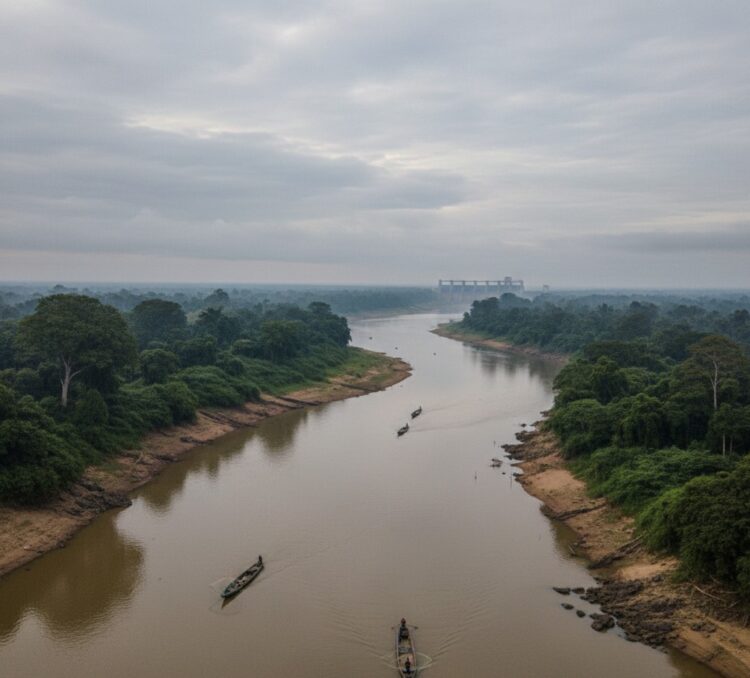
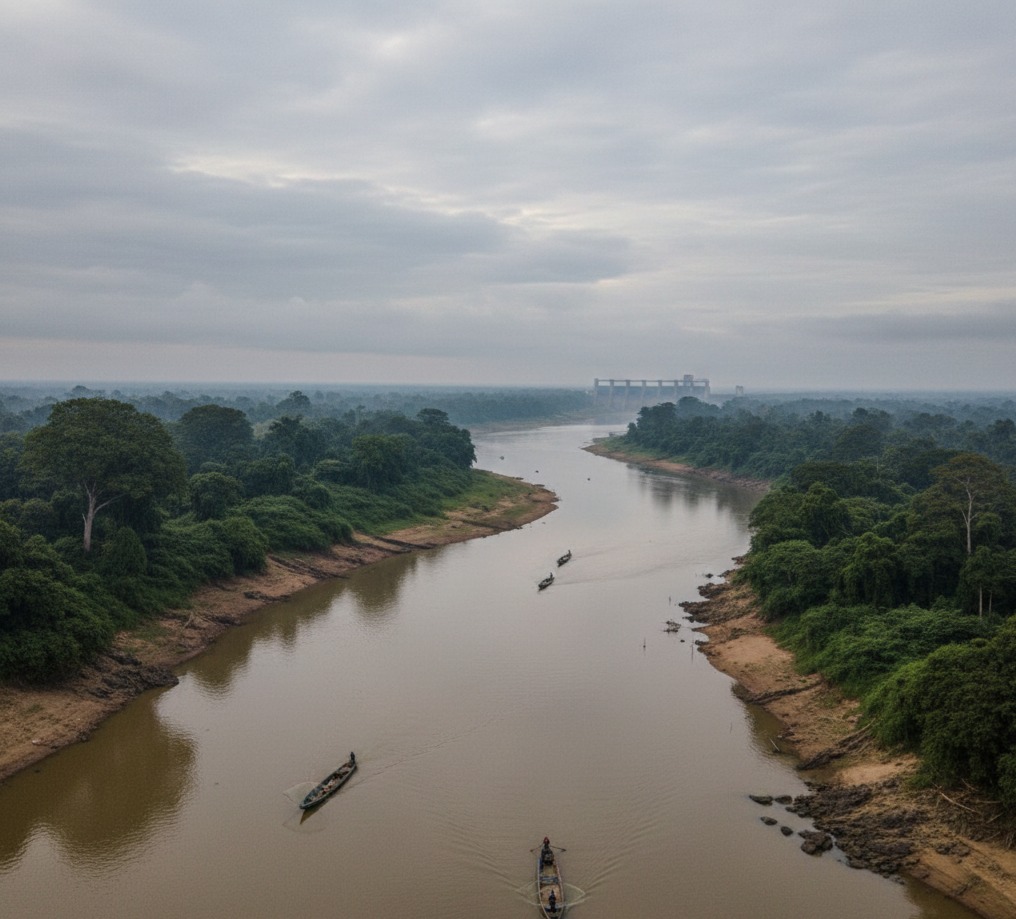
The Mekong River: How Changing Water Flows are Redefining Agriculture, Trade, and Tourism in Cambodi...
Article Summary:
The Mekong River, a vital artery flowing through six Southeast Asian countries, plays a crucial role in shaping the geography, agriculture, trade, and tourism of Cambodia, Vietnam, and Laos. This article highlights how changing water flows due to climate change and human activities like hydropower dams are disrupting the river’s natural rhythm. These changes pose significant challenges to food security, economic stability, and the livelihoods of millions who depend on the river. The article underscores the need for sustainable management and innovative solutions to mitigate the impacts of these alterations on agriculture, trade, and tourism in the region.
Key Points:
Actionable Takeaways:
Invest in Sustainable Water Management: Governments and organizations should prioritize sustainable water management practices to mitigate the impacts of climate change on the Mekong River. This includes investing in technologies that can adapt to changing water flows and protect agricultural productivity.
Promote Eco-Tourism Initiatives: The tourism sector can benefit from promoting eco-tourism initiatives that leverage the unique cultural and natural heritage of the Mekong region. This can create sustainable economic opportunities while preserving the river’s ecological integrity.
Support Research and Innovation: Encourage research and innovation in water management technologies and sustainable agricultural practices. This can help communities adapt to the changing river conditions and ensure long-term food security and economic stability.
Contextual Insights:
The disruption of the Mekong River’s natural flow due to climate change and hydropower developments is a pressing issue that intersects with broader trends in sustainable development and environmental conservation. The article reflects the growing concern among industry experts about the balance between economic development and environmental sustainability. As the travel industry continues to evolve, there is an increasing focus on eco-friendly practices and sustainable tourism models. Thought leaders emphasize the importance of integrating technological advancements with traditional knowledge to develop innovative solutions that can address these challenges. The Mekong River serves as a case study for how interconnected environmental, economic, and social factors can impact a region, highlighting the need for collaborative efforts among governments, businesses, and communities to ensure a sustainable future.
Read the Complete Article.
Experience the magic of the Nile aboard Kenzy Dahabeya, a luxury boutique sailing cruise that offers an unforgettable journey between...
Read moreDetails



