
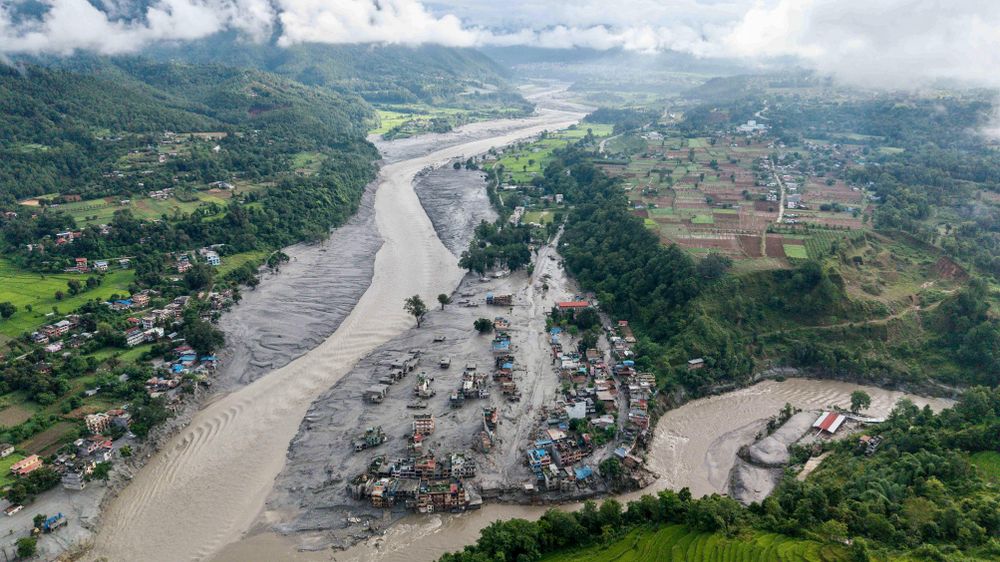
Scientists warn of deadly costs from glacier collapse
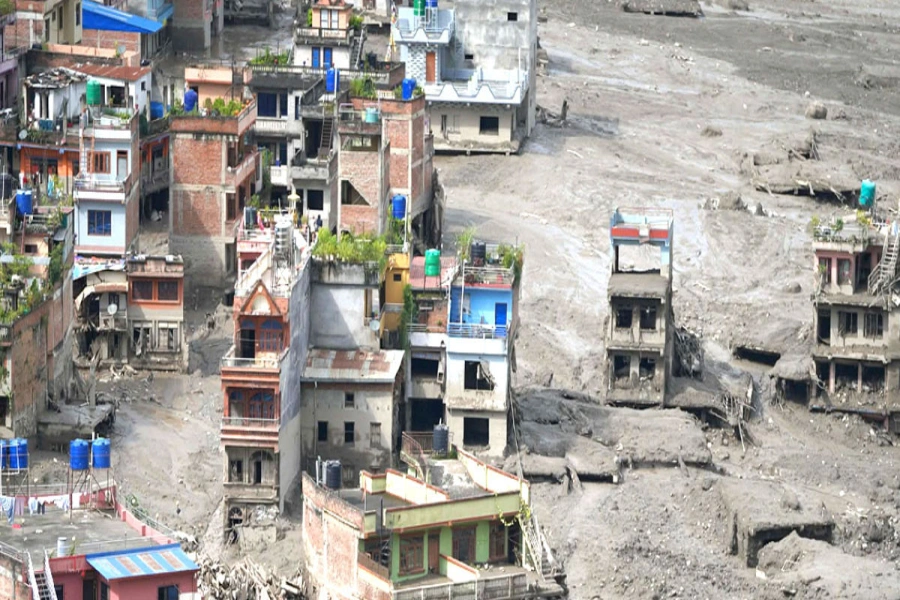
THE NEWS: More than 1,300 people were reported missing after a glacier collapsed at the Nepal border, with over 362...
Read moreDetailsEvery alert that matters — when it happens.

As Everest costs go up, Nepal just made it free to climb nearly 100 other mountains -newspressnow.co...
In a groundbreaking move to revitalize its high-altitude tourism sector, Nepal has announced a significant policy shift, offering free climbing permits for over 100 mountains, excluding the iconic Mount Everest. This strategic decision, aimed at attracting a broader range of adventurers and boosting local economies, comes as the costs associated with Everest expeditions continue to escalate.
The Himalayan nation, renowned for its unparalleled mountaineering opportunities, has historically relied on permits for revenue. However, with the increasing financial burden of Everest climbs, which can run into tens of thousands of dollars, fewer climbers have been able to experience the grandeur of the world’s highest peaks. This new initiative aims to democratize access to the breathtaking landscapes of Nepal, opening up a wealth of challenging and rewarding climbs to a wider audience.
By waiving permit fees for more than a hundred other mountains, Nepal is signaling a commitment to diversifying its adventure tourism offerings. This includes peaks of varying technical difficulty, from accessible trekking peaks to formidable expeditions that will test even seasoned climbers. The move is expected to stimulate economic activity in remote regions, creating jobs for local guides, porters, and support staff, and benefiting communities that have long been integral to the climbing ecosystem.
While Everest remains a premium, costly endeavor, the focus has now shifted to promoting a vast array of alternative ascents. This strategic pivot acknowledges the growing demand for authentic, less crowded experiences in the Himalayas. Climbers seeking the thrill of high-altitude adventure without the prohibitive cost of an Everest permit will find a compelling invitation in Nepal’s newly accessible mountain range.
The implications for the travel industry are substantial. Tour operators and travel agencies can now curate more diverse and affordable trekking and climbing packages, catering to a wider spectrum of clients, from aspiring mountaineers to experienced adventurers looking for new challenges. This initiative is poised to reignite interest in Nepal as a premier adventure tourism destination, promising a surge in visitor numbers and a more sustainable model for high-altitude tourism.
The government’s announcement underscores a forward-thinking approach to tourism management, recognizing the need to balance revenue generation with accessibility and inclusivity. By making a significant portion of its majestic mountain offerings free to climb, Nepal is not just opening its peaks, but also opening its arms to a new era of Himalayan exploration. This policy is a clear signal that the allure of the Himalayas extends far beyond Everest, inviting the world to discover the many other wonders that await.
Read the Complete Article.
THE NEWS: More than 1,300 people were reported missing after a glacier collapsed at the Nepal border, with over 362...
Read moreDetails
Experience the magic of the Nile aboard Kenzy Dahabeya, a luxury boutique sailing cruise that offers an unforgettable journey between...
Read moreDetails





