
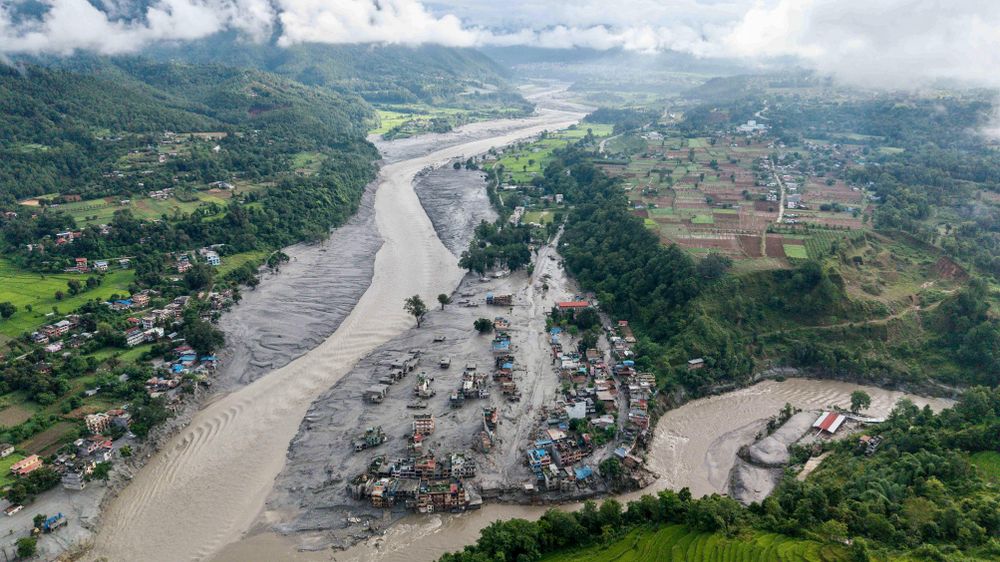
Scientists warn of deadly costs from glacier collapse
THE NEWS: More than 1,300 people were reported missing after a glacier collapsed at the Nepal border, with over 362...
Read moreDetailsEvery alert that matters — when it happens.

Nepal opens 97 mountains for free climbing, hikes Everest fee
Nepal has announced a significant policy shift, opening 97 mountains, including several previously restricted peaks, to free climbing and trekking. This move, aimed at revitalizing its tourism sector, exempts climbers and trekkers from permit fees for these newly accessible mountains. However, Mount Everest and a select few other popular peaks will retain their existing, substantial permit charges. This initiative marks a bold step by the Nepalese government to encourage broader exploration of its Himalayan offerings, potentially boosting local economies and diversifying adventure tourism.
The decision to waive fees for a large number of mountains is a strategic effort to make Nepal’s stunning natural landscapes more accessible to a wider range of adventurers. By removing the financial barrier for these 97 peaks, Nepal hopes to attract more international visitors, particularly those interested in less-crowded, more challenging, or introductory Himalayan experiences. This policy could stimulate economic growth in remote regions by increasing demand for local guides, porters, accommodation, and other essential services.
While the majority of Nepal’s vast mountain range is now available without permit fees, the government has clarified that iconic and high-demand peaks like Mount Everest, Annapurna, and Manaslu will continue to require their standard, often expensive, permits. This selective approach ensures that revenue generated from the most sought-after destinations can still be channeled towards conservation efforts and infrastructure development. The dual strategy aims to balance increased accessibility with sustainable tourism management.
The Nepalese Ministry of Culture, Tourism, and Civil Aviation is championing this initiative. They believe that by opening up these new routes, Nepal can showcase its diverse climbing and trekking opportunities beyond the well-trodden paths. This policy is expected to foster a more inclusive and sustainable tourism model, benefiting both the environment and the local communities. It also presents an opportunity for Nepal to solidify its position as a premier adventure tourism destination in the global market, attracting a new wave of explorers eager to discover its untamed beauty. The government hopes this will lead to increased foreign currency inflows and job creation across the country.
Key Points:
* 97 mountains opened for free climbing and hiking.
* Permit fees waived for these 97 mountains.
* Mount Everest and other popular peaks retain existing permit fees.
* Aims to revitalize Nepal’s tourism sector.
* Expected to boost local economies in remote regions.
* Encourages broader exploration of Himalayan landscapes.
* Potential to attract more international visitors.
* Promotes a more inclusive and sustainable tourism model.
* Managed by the Nepalese Ministry of Culture, Tourism, and Civil Aviation.
* Intended to increase foreign currency inflows and job creation.
Read the Complete Article.
THE NEWS: More than 1,300 people were reported missing after a glacier collapsed at the Nepal border, with over 362...
Read moreDetails
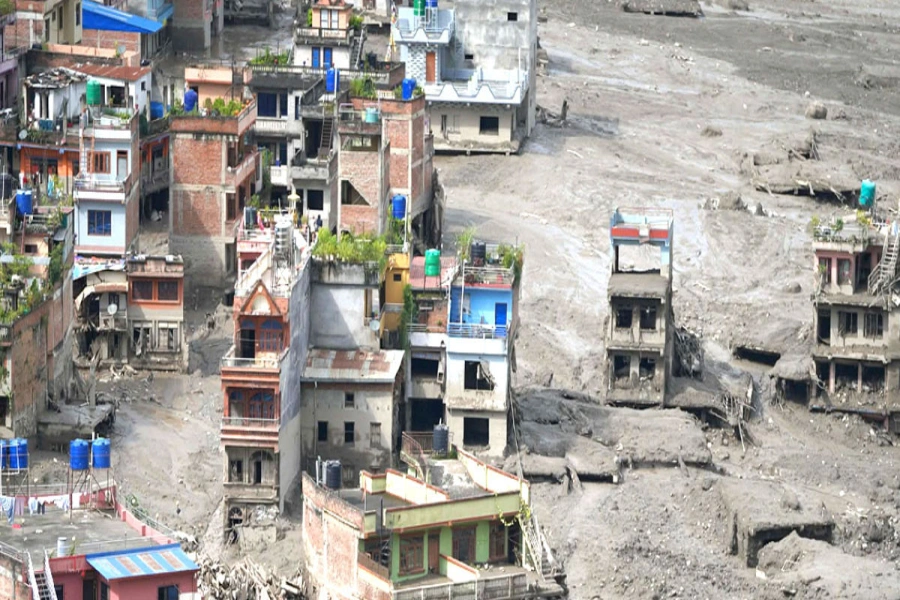
Experience the magic of the Nile aboard Kenzy Dahabeya, a luxury boutique sailing cruise that offers an unforgettable journey between...
Read moreDetails





