






Sail Through Time: Discover the Timeless Wonders of Upper Egypt Aboard Kenzy Dahabeya
Experience the magic of the Nile aboard Kenzy Dahabeya, a luxury boutique sailing cruise that offers an unforgettable journey between...
Read moreDetails
Comprehensive Summarization:
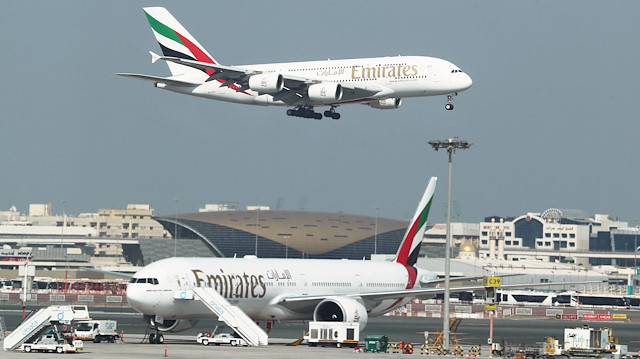
The article discusses the impact of the ongoing war in the Persian Gulf on the security situation in the region, with particular attention to its repercussions on Nepal. The escalation of conflict, following attacks on American military camps by Iran, has led to disruptions in air services operating through Gulf countries. This disruption is expected to negatively affect employment prospects in the region. Furthermore, the article highlights that the conflict will directly impact Nepal’s tourism, remittance inflows, foreign trade, and labor migration. Around 1.9 million Nepali workers are currently employed across the Gulf countries. The article also touches upon the broader travel industry trends and insights, emphasizing the need for adaptability and resilience in the face of geopolitical tensions.
Key Points:
Actionable Takeaways:
Diversify Supply Chains: Companies operating in the travel sector should consider diversifying their supply chains to mitigate risks associated with geopolitical tensions. This could involve exploring alternative routes or partnering with service providers in less affected regions.
Enhance Cybersecurity Measures: With increased cyber threats following geopolitical conflicts, travel companies must enhance their cybersecurity measures to protect sensitive data and ensure uninterrupted service delivery. This includes investing in advanced security technologies and training staff on cybersecurity best practices.
Monitor Geopolitical Developments: Travel businesses should establish a robust system for monitoring geopolitical developments in the Persian Gulf and other relevant regions. This will enable them to anticipate potential disruptions and implement proactive measures to safeguard their operations and customer interests.
Contextual Insights:
The article’s context is deeply rooted in the current geopolitical climate, particularly the ongoing war in the Persian Gulf. The escalation of conflict and its repercussions on the security situation in the region have significant implications for the travel industry, especially for countries like Nepal that rely heavily on remittances and tourism from Gulf countries. The article underscores the importance of adaptability and resilience in the face of such challenges. In the context of current travel industry trends, there is a growing emphasis on digital transformation and the adoption of advanced technologies to enhance operational efficiency and customer experience. Thought leaders emphasize the need for travel companies to leverage data analytics and artificial intelligence to gain insights into market dynamics and customer preferences, enabling them to make informed decisions and stay ahead of the competition. The article also highlights the increasing importance of sustainability and responsible travel practices, as consumers become more conscious of their environmental impact and seek eco-friendly travel options. By integrating these forward-looking perspectives with the factual information provided in the article, we can gain a comprehensive understanding of the current state of the travel industry and its potential future trajectory.
Read the Complete Article.
Experience the magic of the Nile aboard Kenzy Dahabeya, a luxury boutique sailing cruise that offers an unforgettable journey between...
Read moreDetails



