










Sail Through Time: Discover the Timeless Wonders of Upper Egypt Aboard Kenzy Dahabeya
Experience the magic of the Nile aboard Kenzy Dahabeya, a luxury boutique sailing cruise that offers an unforgettable journey between...
Read moreDetails
Pakistan Introduces New Ziarat Policy to Strengthen its Religious Tourism and Ensure Safe Pilgrimage...
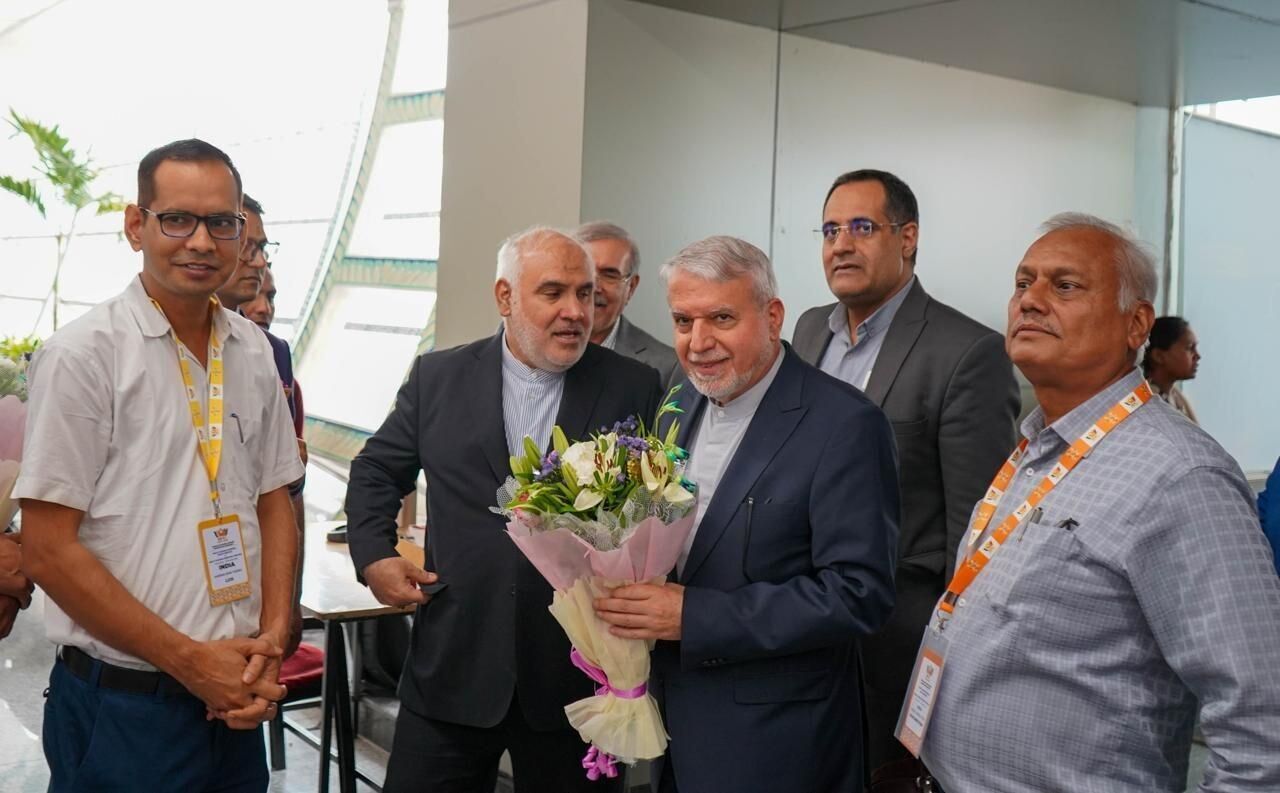
Pakistan is taking a significant step to revitalize its religious tourism sector by introducing a comprehensive new Ziarat policy. This forward-thinking initiative aims to streamline the pilgrimage process for its citizens traveling to holy sites in Iran, Iraq, and Syria, while also strengthening Pakistan’s position as a hub for religious travel.
The policy addresses several critical aspects of facilitating safe and efficient Ziarat (pilgrimages). A key focus is on enhancing the overall travel experience for pilgrims. This includes improving the issuance of visas and ensuring smoother border crossings, reducing bureaucratic hurdles that have historically been a concern for travelers. By simplifying these processes, Pakistan aims to make it easier for more citizens to undertake these spiritually significant journeys.
Furthermore, the new policy places a strong emphasis on safety and security. Recognizing the sensitive nature of international religious travel, the government is committed to ensuring the well-being of its pilgrims. This involves collaboration with relevant authorities in destination countries to guarantee secure passage and comfortable stays at holy sites. The policy also outlines measures to provide support and assistance to pilgrims throughout their journey, addressing potential issues and emergencies proactively.
Beyond facilitating outbound pilgrimages, Pakistan’s Ziarat policy also signals a broader ambition to promote religious tourism within Pakistan itself. While the article primarily focuses on facilitating travel to international holy sites, such policies often pave the way for developing and promoting Pakistan’s own rich religious heritage. This could include historical mosques, Sufi shrines, and other significant religious landmarks that attract both domestic and international visitors.
The introduction of this policy is a strategic move by Pakistan to tap into the growing global market for religious tourism. By creating a more organized and secure framework for Ziarat, Pakistan is not only serving its citizens but also positioning itself as a reliable facilitator for religious travel in the region. The success of this policy is expected to boost the travel industry, create economic opportunities, and enhance Pakistan’s international image as a country that values and supports religious exploration. This proactive approach demonstrates a clear commitment to growth and development within the travel and tourism sector.
Key Points:
Read the Complete Article.
Experience the magic of the Nile aboard Kenzy Dahabeya, a luxury boutique sailing cruise that offers an unforgettable journey between...
Read moreDetails



