











Sail Through Time: Discover the Timeless Wonders of Upper Egypt Aboard Kenzy Dahabeya
Experience the magic of the Nile aboard Kenzy Dahabeya, a luxury boutique sailing cruise that offers an unforgettable journey between...
Read moreDetails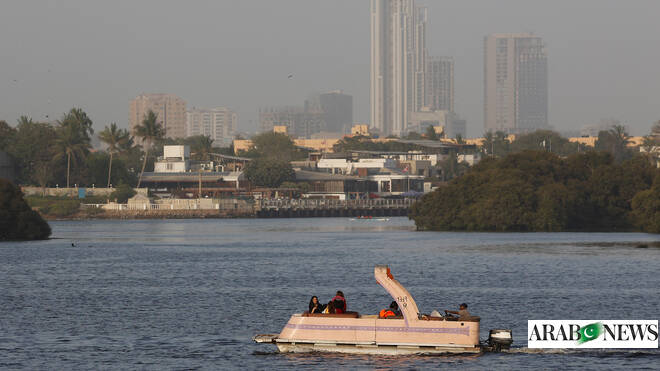
Pakistan’s cabinet approves Gwadar-Oman ferry service to boost trade, tourism
Article Summary:
The article reports that Islamabad has accused the Afghan Taliban government of "instigating Pashtunism" in Pakistan, amid heightened tensions between the two neighboring countries. This accusation comes in the wake of a surge in militancy in Pakistan, with Islamabad blaming Kabul for harboring militant groups like the Tehreek-e-Taliban Pakistan (TTP) and the Balochistan Liberation Army (BLA). The tensions have escalated following a clash on October 11, where Pakistan conducted airstrikes in Afghanistan against what it claimed were militant targets. Islamabad’s accusations contrast with Kabul’s consistent denial of these claims.
Key Points:
Actionable Takeaways:
Contextual Insights:
The article’s context is deeply rooted in the ongoing geopolitical tensions between Pakistan and Afghanistan, which have significant implications for regional security and stability. The accusations of "instigating Pashtunism" highlight the complex dynamics at play, where both nations are accused of supporting militant groups that operate across their borders. This context is crucial for understanding the potential impact on travel and tourism in the region, as security concerns can deter both domestic and international travelers.
In terms of travel tech and fintech, the situation underscores the need for innovative solutions that enhance security and facilitate safe transactions. As the travel industry continues to evolve, thought leaders emphasize the importance of leveraging technology to address security challenges and improve the overall travel experience. For instance, AI-driven security systems can help monitor and respond to threats in real-time, while secure fintech solutions can ensure that travelers can conduct transactions safely, even in regions with heightened security risks.
Overall, the article provides a snapshot of the current state of affairs in the region, emphasizing the need for proactive measures to address security concerns and foster stability. By focusing on diplomatic engagement, security enhancements, and leveraging travel tech and fintech innovations, stakeholders can navigate the challenges posed by the current geopolitical landscape and continue to support safe and secure travel in the region.
Read the Complete Article.
Experience the magic of the Nile aboard Kenzy Dahabeya, a luxury boutique sailing cruise that offers an unforgettable journey between...
Read moreDetails



