








Sail Through Time: Discover the Timeless Wonders of Upper Egypt Aboard Kenzy Dahabeya
Experience the magic of the Nile aboard Kenzy Dahabeya, a luxury boutique sailing cruise that offers an unforgettable journey between...
Read moreDetails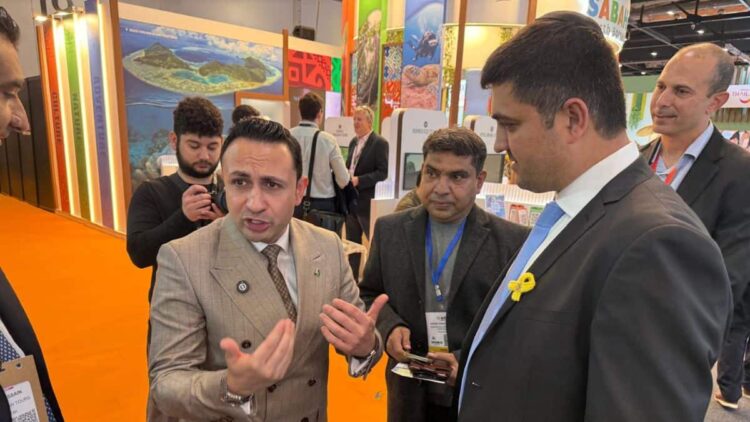
Why Pakistan PM aide's meeting with Israeli tourism minister is raising eyebrows – Firstpost
Article Summary:
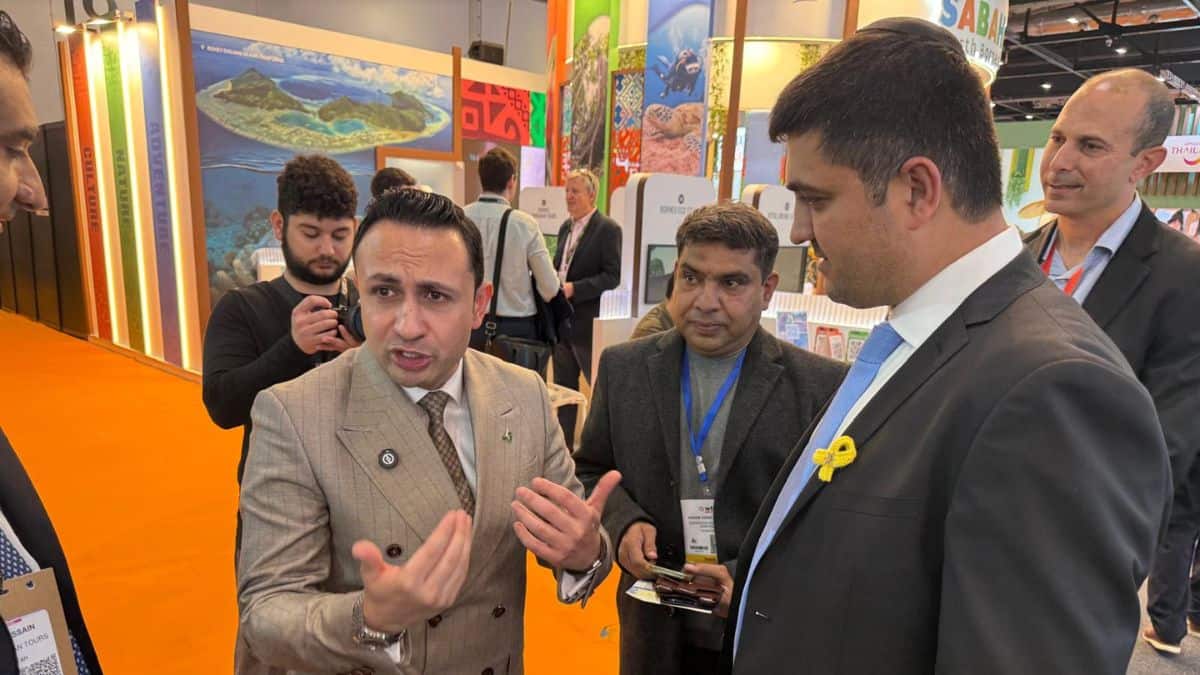
The article discusses a brief encounter between a senior Israeli Tourism Ministry official and Pakistan’s adviser on tourism at the World Travel Market (WTM) in London. This unexpected meeting has raised questions about the potential shifting alignments between Israel and Pakistan, particularly in the context of the United States’ renewed West Asia strategy. Despite the lack of formal diplomatic ties, Pakistan has been referenced in discussions about the proposed International Stabilisation Force for Gaza, a key component of President Trump’s ceasefire blueprint. The World Travel Market, a major event in London, serves as the backdrop for this incident, highlighting the ongoing complexities in regional relations and their potential impact on the travel industry.
Key Points:
Actionable Takeaways:
Contextual Insights:
The incident at the World Travel Market reflects the intricate interplay between geopolitics and the travel industry. In recent years, the travel sector has increasingly become a barometer for geopolitical shifts, with events such as this meeting highlighting the potential ripple effects on tourism and travel policies. The World Travel Market serves as a critical platform for industry stakeholders to observe and engage with these dynamics, providing insights into emerging trends and challenges. As the travel industry continues to navigate a rapidly evolving geopolitical landscape, staying informed and adaptable will be crucial for sustained growth and resilience. Thought leaders emphasize the need for proactive strategies that align with geopolitical realities, ensuring that travel companies remain competitive and responsive to changing market conditions.
Read the Complete Article.
Experience the magic of the Nile aboard Kenzy Dahabeya, a luxury boutique sailing cruise that offers an unforgettable journey between...
Read moreDetails



