









Sail Through Time: Discover the Timeless Wonders of Upper Egypt Aboard Kenzy Dahabeya
Experience the magic of the Nile aboard Kenzy Dahabeya, a luxury boutique sailing cruise that offers an unforgettable journey between...
Read moreDetails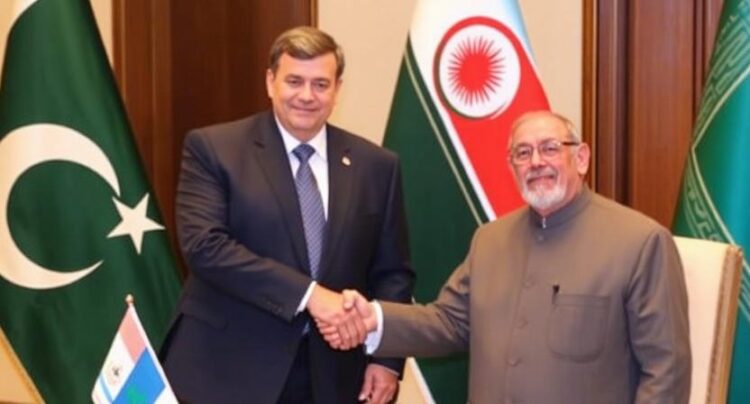
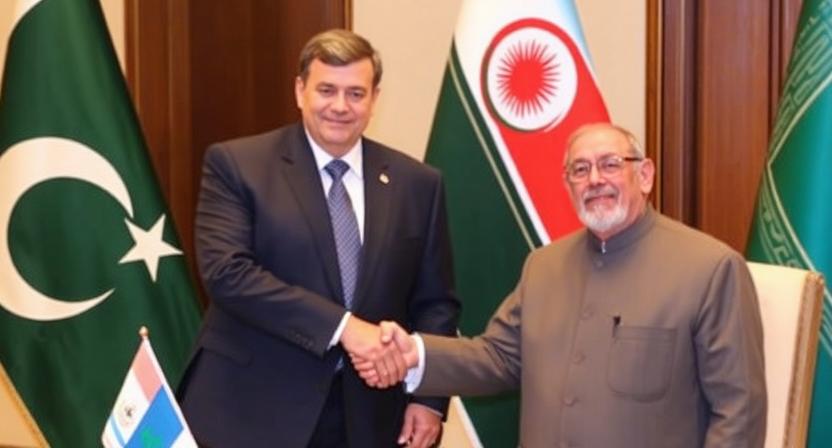
Pakistan and Uzbekistan Strengthen Partnership with its New MoU Focused on Trade, Aviation, Pharmace...
Article Summary:
The article highlights a significant strengthening of the bilateral relationship between Pakistan and Uzbekistan through a new Memorandum of Understanding (MoU) focused on trade, aviation, pharmaceuticals, and tourism. This MoU, signed during the 8th Review Session of Pakistan-Uzbekistan Cooperation in Islamabad, unites key stakeholders in both nations towards enhancing bilateral travel and economic cooperation. The event was attended by TIF-Helexpo CEO Dr. Kyriakos Pozrikidis, Vojvodina’s Provincial Secretary for Economy and Tourism Nenad Ivanišević, and Novi Sad Fair CEO Slobodan Cvetcović, underscoring the commitment of both countries to boost tourism and trade relations.
Key Points:
Actionable Takeaways:
Contextual Insights:
The strengthening of ties between Pakistan and Uzbekistan in the realms of trade, aviation, pharmaceuticals, and tourism reflects a broader trend of regional cooperation aimed at boosting bilateral travel and economic growth. This development aligns with the current global emphasis on tourism recovery post-pandemic, where countries are actively seeking to reopen borders and attract international visitors. The focus on pharmaceuticals also highlights a growing interest in medical tourism, a sector that has seen significant growth in recent years due to the increasing demand for healthcare services globally.
Moreover, the involvement of high-level leaders such as Dr. Kyriakos Pozrikidis, Vojvodina’s Provincial Secretary for Economy and Tourism Nenad Ivanišević, and Novi Sad Fair CEO Slobodan Cvetcović underscores the strategic importance of this partnership. Their presence at the signing ceremony not only legitimizes the MoU but also signals a commitment to fostering long-term economic and cultural exchanges between the two nations.
In the context of the travel industry, this partnership could lead to the development of new travel packages that cater to both leisure and business travelers, thereby driving demand for travel services. Additionally, the focus on aviation suggests potential for improved flight routes and connectivity, which could further enhance the attractiveness of Pakistan and Uzbekistan as tourist destinations.
Overall, the article provides a clear indication of the evolving dynamics in the travel industry, driven by strategic partnerships and a renewed focus on tourism and trade. For professionals in the travel sector, this presents a timely opportunity to align their strategies with these emerging trends, ensuring they capitalize on the growing opportunities presented by these bilateral agreements.
Read the Complete Article.
Experience the magic of the Nile aboard Kenzy Dahabeya, a luxury boutique sailing cruise that offers an unforgettable journey between...
Read moreDetails



