




Sail Through Time: Discover the Timeless Wonders of Upper Egypt Aboard Kenzy Dahabeya
Experience the magic of the Nile aboard Kenzy Dahabeya, a luxury boutique sailing cruise that offers an unforgettable journey between...
Read moreDetails
SBP urges shift from farms to tourism and services to drive Pakistan’s economic growth-INP
The State Bank of Pakistan’s (SBP) recent call for a significant economic pivot toward tourism and services marks a pivotal moment for Pakistan’s growth trajectory. This strategic shift, moving away from a primary reliance on agriculture, is presented as the cornerstone for achieving robust, sustainable, and inclusive economic development. For the global travel industry, this presents an exciting and potentially transformative opportunity.
As global economies increasingly lean into the services sector, which now comprises a dominant 60% of worldwide GDP, Pakistan’s current economic structure reveals both a challenge and an immense opportunity. While agriculture globally contributes only 4% to GDP, it still accounts for 23% of Pakistan’s GDP, often characterized by low productivity. In stark contrast, Pakistan’s services sector already contributes a substantial 58% to its national GDP and employs 39% of the workforce, mirroring global trends and highlighting its inherent potential for further expansion.
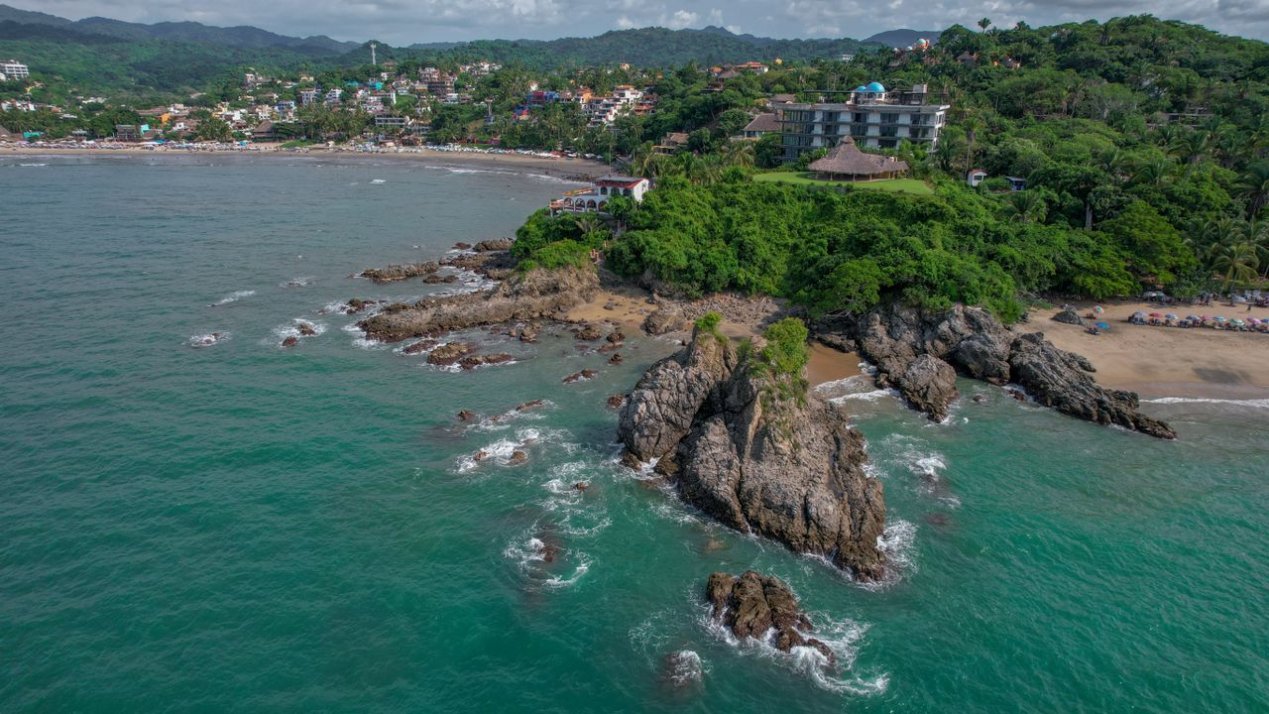
For us in the travel industry, this is not just an opportunity; it’s a clarion call to action. Pakistan is a treasure trove of diverse attractions, poised to capture the imagination of international and domestic tourists alike. From the ancient wonders of the Indus Valley and Gandhara civilizations to the spiritual serenity of Sikh, Buddhist, and Sufi shrines, the country offers unparalleled historical and religious tourism experiences. Beyond heritage, its breathtaking landscapes provide world-class adventure tourism opportunities, encompassing towering mountains, vast deserts, and pristine beaches.
This strategic pivot promises a cascade of economic benefits. Investing in and promoting the tourism and services sector will lead to substantial job creation across various skill levels, from hospitality and guiding to transportation and digital marketing. It will also generate vital foreign exchange earnings, strengthening the national economy. Furthermore, the growth of tourism inherently boosts small and medium enterprises (SMEs), fostering local economic development and supporting ancillary services. Unlocking this immense potential requires concerted efforts in policy refinement, targeted investment in infrastructure, skill development within the workforce, and a strategic move towards formalizing various segments of the economy, including the burgeoning digital economy and e-commerce.
Key Points
SBP recommendation: Shift Pakistan’s economic focus from agriculture to tourism and services for economic growth. Agriculture’s global GDP contribution: 4%. Agriculture’s Pakistan GDP contribution: 23%. Services sector’s global GDP contribution: 60%. Services sector’s Pakistan GDP contribution: 58%. Services sector employment in Pakistan: 39% of the workforce. Key tourism assets: Indus Valley Civilization, Gandhara civilization, Sikh shrines, Buddhist sites, Sufi shrines, mountains, deserts, beaches. Cited economic benefits: Job creation, foreign exchange earnings, growth for SMEs. Requirements for growth: Policy attention, investment, infrastructure development, skill development, formalization of economy (including digital economy and e-commerce).
Read the Complete Article.
Experience the magic of the Nile aboard Kenzy Dahabeya, a luxury boutique sailing cruise that offers an unforgettable journey between...
Read moreDetails



