Singapore welcomes over 600,000 Indian visitors in H1 2026
THE NEWS: Singapore welcomed more than 600,000 Indian visitors in the first half of 2026, reinforcing its role as a...
Read moreDetailsEvery alert that matters — when it happens.
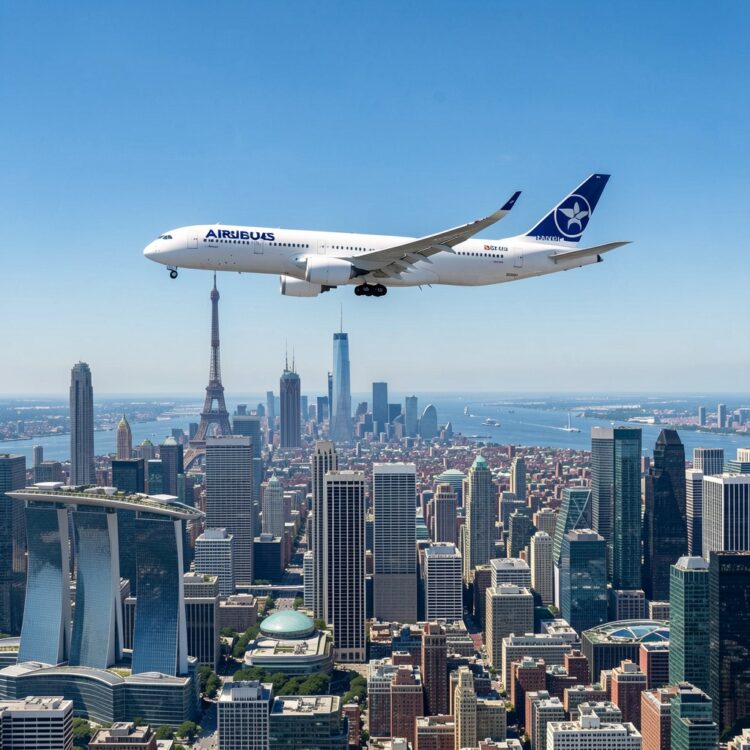
Singapore Airlines joins Delta, Qatar Airways, and Emirates’ Airbus A350-900 ULR in Revolutionising ...
Comprehensive Summarization:
Singapore Airlines, Delta Airlines, and Qatar Airways have joined forces with Airbus to introduce the Airbus A350-900 Ultra Long Range (ULR) aircraft. This aircraft is capable of flying nonstop for up to 18 hours and covering nearly 9,700 nautical miles without refueling. This revolutionary development is set to transform air travel, tourism, and the hospitality industry by significantly reducing travel time and expanding global connectivity. The introduction of the A350-900 ULR is particularly impactful for routes between the US, France, and other regions, enhancing travel experiences and opening up new possibilities for tourism and business travel.
Key Points:
Actionable Takeaways:
Enhanced Connectivity and Accessibility: Airlines should leverage the capabilities of the Airbus A350-900 ULR to expand their route networks, particularly focusing on long-haul routes that were previously challenging due to refueling constraints. This can lead to increased market share and customer satisfaction by offering more direct and convenient travel options.
Strategic Investment in Long-Range Aircraft: Companies in the travel industry, including airlines and related service providers, should consider investing in or partnering with manufacturers of ultra-long-range aircraft. This investment can position businesses at the forefront of the evolving travel landscape, offering competitive advantages through improved travel efficiency and customer experience.
Focus on Sustainable Travel Solutions: As the aviation industry continues to innovate with long-range aircraft, there is a growing opportunity to integrate sustainable practices. Airlines should explore eco-friendly technologies and fuels to align with global sustainability goals, enhancing their brand image and appealing to environmentally conscious travelers.
Contextual Insights:
The introduction of the Airbus A350-900 ULR is a pivotal development in the travel industry, reflecting broader trends towards technological advancement and efficiency. This innovation aligns with the increasing demand for faster, more convenient travel options, driven by globalization and the rise of digital nomadism. The ability to offer nonstop flights over vast distances not only enhances the travel experience but also opens up new opportunities for tourism and business expansion in previously inaccessible markets. Furthermore, this development underscores the importance of continuous investment in research and development within the aviation sector to meet the evolving needs of travelers and stakeholders. As the industry moves forward, the focus on sustainable and efficient travel solutions will likely become a key differentiator for companies aiming to lead in the competitive travel market.
Read the Complete Article.
THE NEWS: Singapore welcomed more than 600,000 Indian visitors in the first half of 2026, reinforcing its role as a...
Read moreDetails

Experience the magic of the Nile aboard Kenzy Dahabeya, a luxury boutique sailing cruise that offers an unforgettable journey between...
Read moreDetails