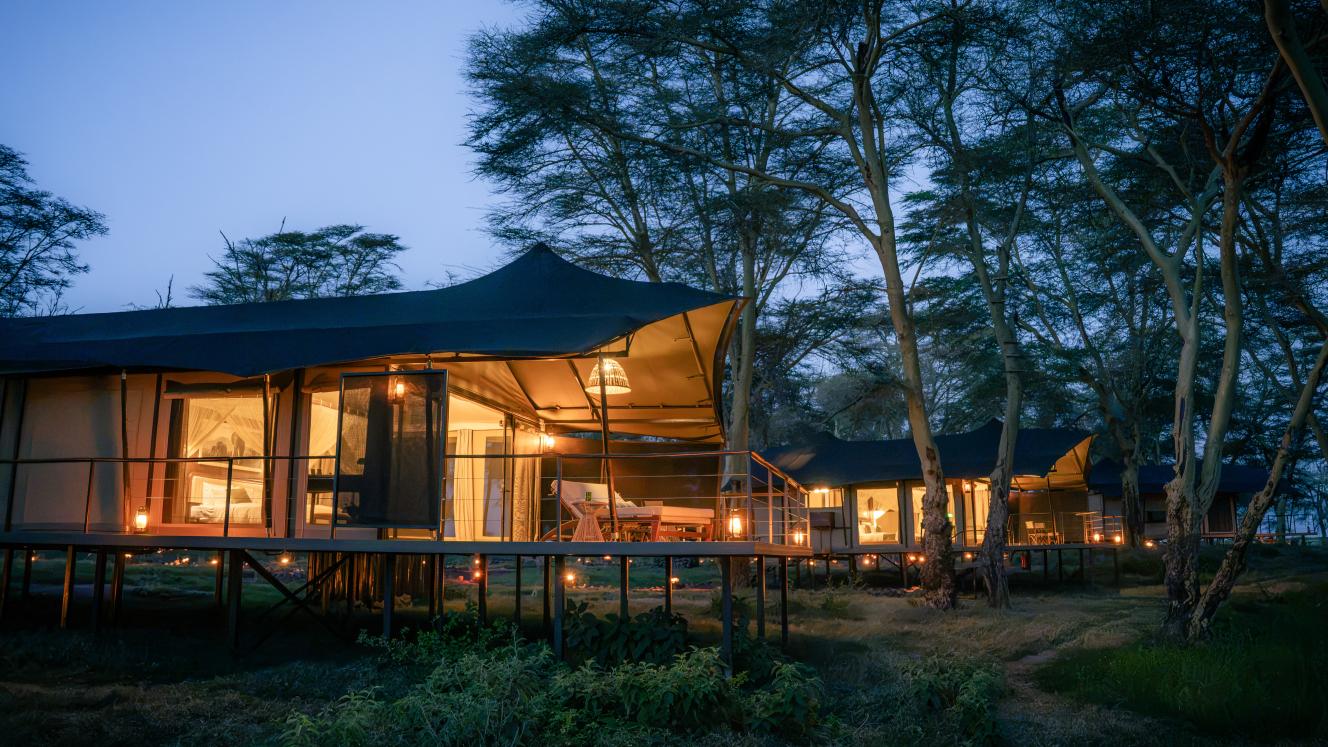
Soroi expands Kenya offering with new travel packages
THE NEWS: Soroi Collection has opened two new Kenyan properties — Soroi Amboseli inside Amboseli National Park and Soroi Blue on...
Read moreDetailsEvery alert that matters — when it happens.
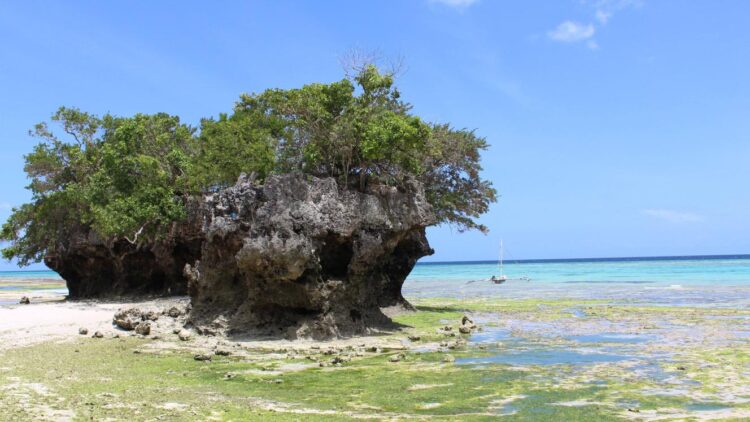
Zanzibar halts tourism leases to plan Pemba
Comprehensive Summarization:
The article discusses Zanzibar’s decision to halt the issuance of new land leases in Pemba Island, as part of a broader strategy to manage tourism development more deliberately. This move comes as authorities finalize destination planning frameworks, aiming to prevent the development pressures experienced on Unguja Island, Zanzibar’s main tourism destination. Hafsa Hassan Mbamba, Tourism Delivery Manager at the Zanzibar Presidential Delivery Bureau, emphasized this approach during a speech at the Africa Tourism Investment Conference alongside WTM Africa in Cape Town. Pemba remains significantly less developed for tourism compared to Unguja, where most of Zanzibar’s visitor infrastructure is concentrated. The article also touches on the broader context of travel trends and insights from thought leaders, highlighting the importance of deliberate planning in tourism development.
Key Points:
Actionable Takeaways:
Strategic Tourism Planning: Implementing a more deliberate approach to tourism planning can help manage development pressures and ensure sustainable growth. This strategy is particularly relevant for destinations like Pemba, which are less developed and can benefit from controlled expansion.
Balanced Development: Authorities should focus on balanced development that considers the existing infrastructure and capacity of less developed islands. This approach can prevent overcrowding and preserve the natural and cultural heritage of these areas.
Leverage Destination Planning Frameworks: Utilizing finalized destination planning frameworks can provide a structured approach to tourism development, ensuring that growth is aligned with long-term goals and sustainability objectives.
Contextual Insights:
The decision by Zanzibar authorities to halt new land leases in Pemba Island reflects a growing trend in the travel industry towards more deliberate and sustainable tourism planning. This approach is particularly relevant in regions where tourism development has historically led to overcrowding and environmental degradation, as seen on Unguja Island. By adopting a more measured approach, Zanzibar aims to balance economic growth with the preservation of its natural and cultural assets. This strategy aligns with current industry trends emphasizing sustainability and responsible tourism, where destinations prioritize long-term viability over short-term gains. Furthermore, the emphasis on destination planning frameworks underscores the importance of strategic, forward-thinking planning in the travel sector, ensuring that development is aligned with broader economic and environmental goals. As the travel industry continues to evolve, such deliberate planning will likely become a key differentiator for destinations seeking to attract responsible and informed travelers.
Read the Complete Article.
THE NEWS: Soroi Collection has opened two new Kenyan properties — Soroi Amboseli inside Amboseli National Park and Soroi Blue on...
Read moreDetails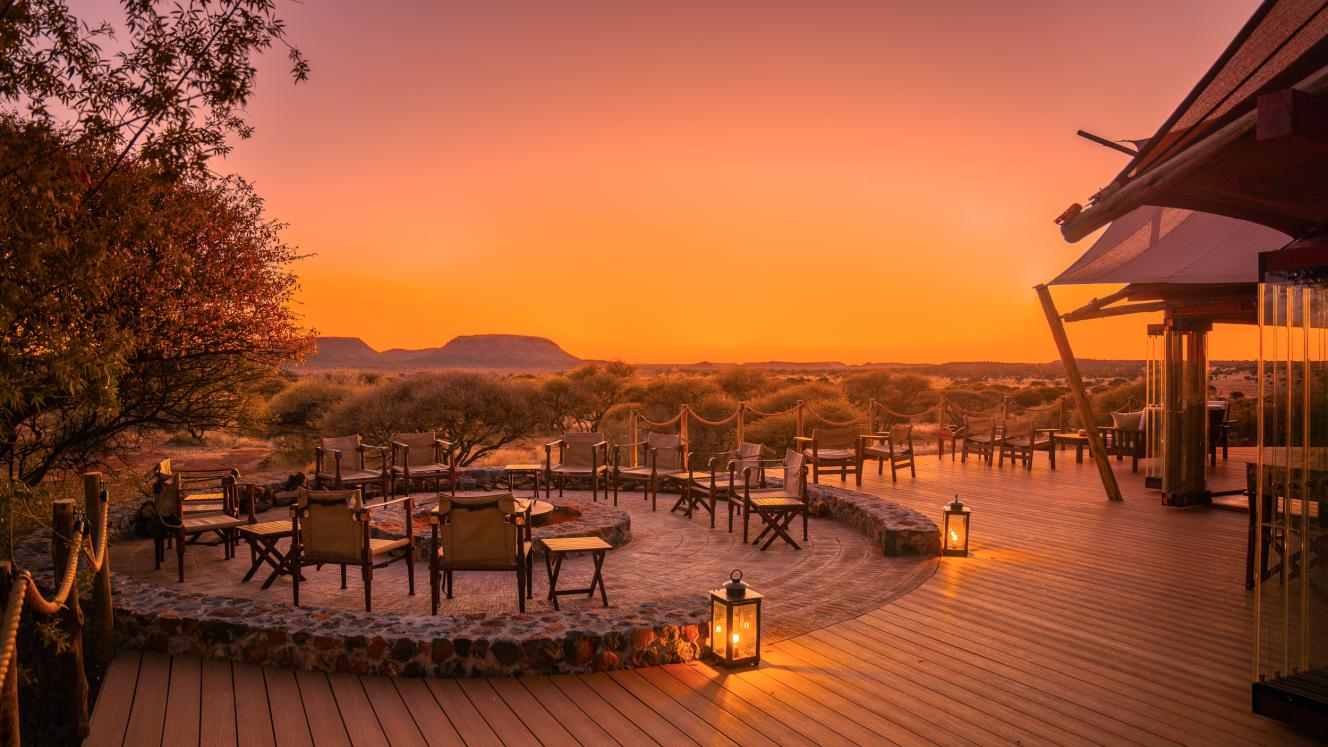

Experience the magic of the Nile aboard Kenzy Dahabeya, a luxury boutique sailing cruise that offers an unforgettable journey between...
Read moreDetails