













Sail Through Time: Discover the Timeless Wonders of Upper Egypt Aboard Kenzy Dahabeya
Experience the magic of the Nile aboard Kenzy Dahabeya, a luxury boutique sailing cruise that offers an unforgettable journey between...
Read moreDetails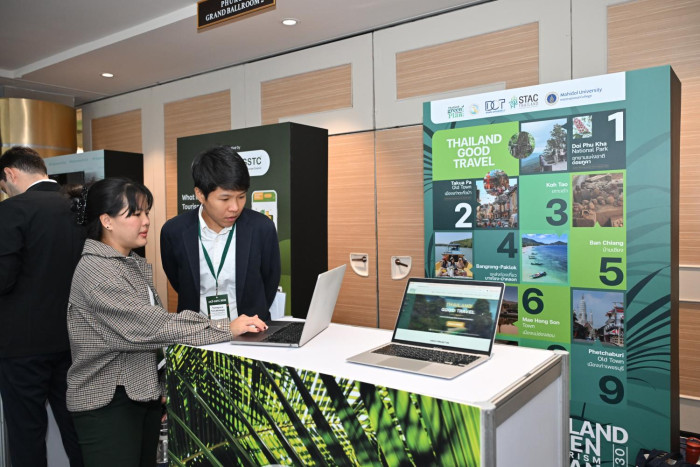
Private sector participants network at the 2026 Global Sustainable Tourism Conference in Phuket.
Comprehensive Summarization:
The article highlights the call from Southern tourism operators for increased government support and incentives for the green transition at the 2026 Global Sustainable Tourism Conference in Phuket. The conference aims to create global recognition for sustainable tourism practices. Wichupan Phukaoluan Srisanya emphasizes that the Middle East’s energy conflict presents an opportunity for tourism operators to rethink their practices, making them more sustainable and cost-effective. The article underscores the importance of sustainability in the tourism sector, especially in light of global challenges like energy conflicts, and the potential cost savings that come with adopting greener practices.
Key Points:
Actionable Takeaways:
Adopt Sustainable Practices for Cost Efficiency: Tourism operators should prioritize adopting sustainable practices to not only contribute to environmental conservation but also to achieve significant cost savings. This aligns with the global trend of integrating sustainability into business models to enhance profitability and operational efficiency.
Leverage Global Recognition Opportunities: Participating in international conferences like the 2026 Global Sustainable Tourism Conference can provide Southern tourism operators with a platform to showcase their commitment to sustainability. This can enhance their global reputation, attract eco-conscious travelers, and open up new market opportunities.
Explore Government Incentives: Given the call for increased government support, tourism operators should actively seek out and leverage any available incentives or subsidies for sustainable tourism initiatives. This could include tax breaks, grants, or other financial support that can offset the initial costs of transitioning to greener practices.
Contextual Insights:
The article reflects the current emphasis on sustainability within the travel industry, particularly in response to global challenges such as energy conflicts. The push for more sustainable tourism practices is not only driven by environmental concerns but also by the economic benefits that come with reduced operational costs. The 2026 Global Sustainable Tourism Conference serves as a pivotal event where industry leaders can network, share innovations, and collaborate on sustainable solutions. This context underscores the importance of sustainability not just as a moral imperative but as a strategic business decision. Furthermore, the article highlights the role of government support in facilitating the transition to sustainable tourism, suggesting that policy interventions can play a crucial role in accelerating the adoption of green practices within the industry. As the travel sector continues to evolve, integrating sustainability into core business strategies will be key to maintaining competitiveness and relevance in a rapidly changing global landscape.
Read the Complete Article.
Experience the magic of the Nile aboard Kenzy Dahabeya, a luxury boutique sailing cruise that offers an unforgettable journey between...
Read moreDetails



