










Sail Through Time: Discover the Timeless Wonders of Upper Egypt Aboard Kenzy Dahabeya
Experience the magic of the Nile aboard Kenzy Dahabeya, a luxury boutique sailing cruise that offers an unforgettable journey between...
Read moreDetails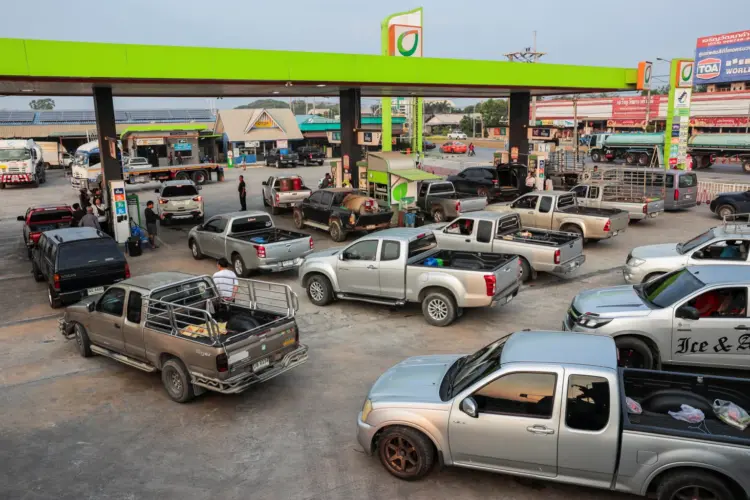
Malaysians urged to postpone travel to southern Thailand due to fuel shortages
Comprehensive Summarization:
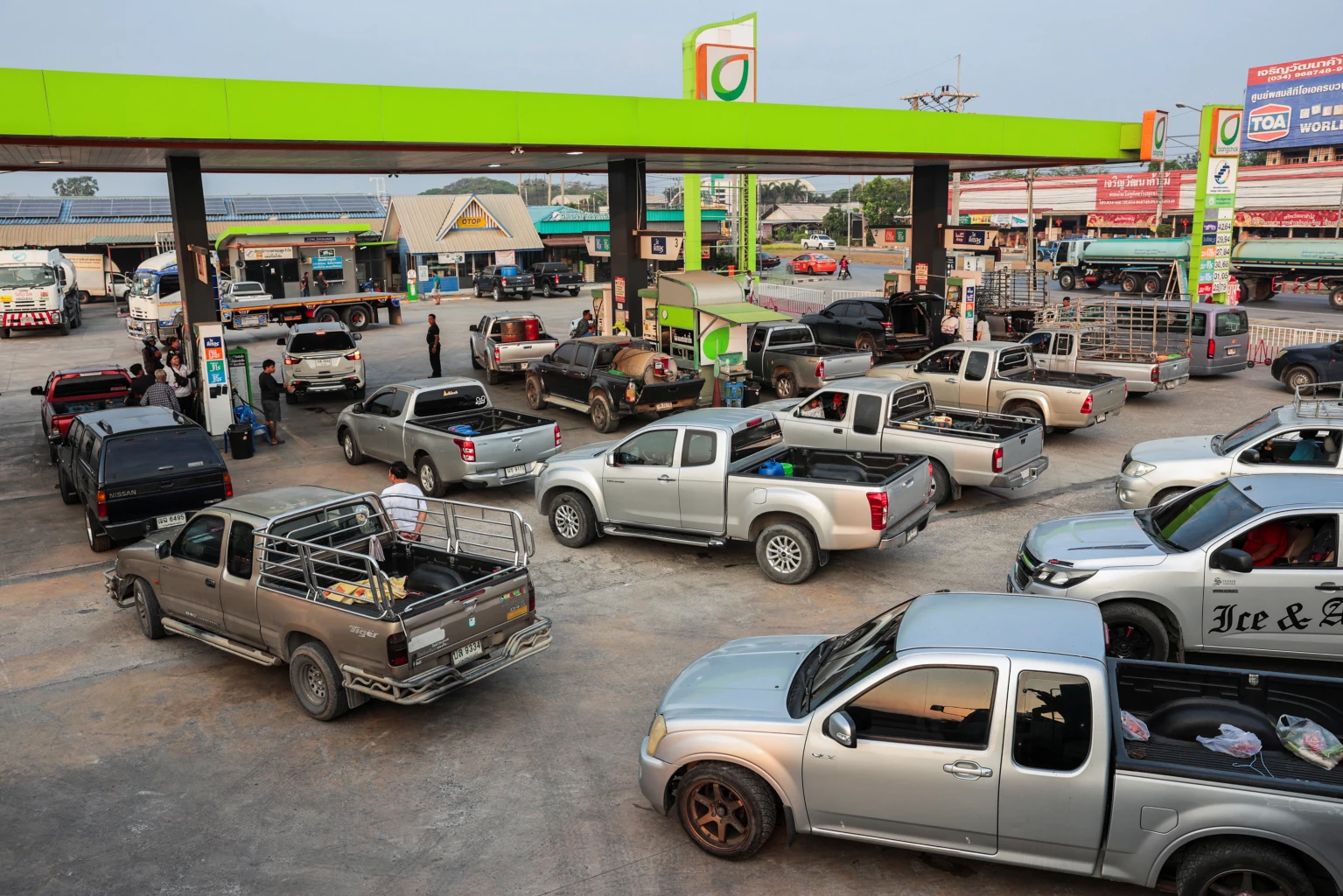
The article discusses a fuel shortage and long queues at petrol stations across Thailand, including southern regions, due to high demand and operational disruptions. Petrol stations are running out of fuel, and operators have introduced purchase limits to manage the situation: 500 baht per vehicle and 80 baht per motorcycle. Despite these challenges, Thai authorities assure that the overall fuel supply remains adequate for domestic needs, and measures are being taken to stabilize the situation. Aida Oujeh, president of the Thai-AseanSEAN Halal Tourism Industry Association, predicts that the fuel disruption will last approximately 10 days from March 16.
Key Points:
Actionable Takeaways:
Purchase Limit Implementation: The introduction of purchase limits (500 baht per vehicle and 80 baht per motorcycle) is a practical measure to manage fuel demand and prevent station depletion. This approach can help stabilize the fuel supply chain by controlling individual consumption rates, ensuring that essential services and vehicles can still access fuel while preventing hoarding or excessive purchases that could exacerbate shortages.
Stabilization Measures by Authorities: Thai authorities’ assurance of adequate fuel supply and their proactive measures to stabilize the situation indicate a coordinated response to the crisis. This proactive stance can help maintain public confidence in the fuel supply system and prevent panic buying, which often worsens supply issues. It also highlights the importance of transparent communication and swift action in managing supply chain disruptions in the travel industry.
Contextual Insights:
The fuel shortage in Thailand is a significant disruption that highlights vulnerabilities in the fuel supply chain, particularly in regions heavily reliant on road transportation. This situation underscores the broader challenges faced by the travel industry, such as the need for resilient supply chains and effective crisis management strategies. The expected duration of the disruption (10 days) suggests a short-term issue, but it also serves as a reminder of the potential for rapid changes in fuel availability due to various factors, including geopolitical tensions, natural disasters, or sudden demand spikes.
In the context of travel tech and fintech, this situation emphasizes the importance of adaptable payment solutions and real-time supply tracking systems. Innovations in these areas can help mitigate the impact of such disruptions by enabling consumers to make informed decisions, facilitating alternative fuel sources, and ensuring that financial transactions related to fuel purchases are secure and efficient. As the travel industry continues to evolve, staying ahead of such challenges through technological advancements and strategic planning will be crucial for maintaining operational continuity and customer trust.
Read the Complete Article.
Experience the magic of the Nile aboard Kenzy Dahabeya, a luxury boutique sailing cruise that offers an unforgettable journey between...
Read moreDetails



