








Sail Through Time: Discover the Timeless Wonders of Upper Egypt Aboard Kenzy Dahabeya
Experience the magic of the Nile aboard Kenzy Dahabeya, a luxury boutique sailing cruise that offers an unforgettable journey between...
Read moreDetails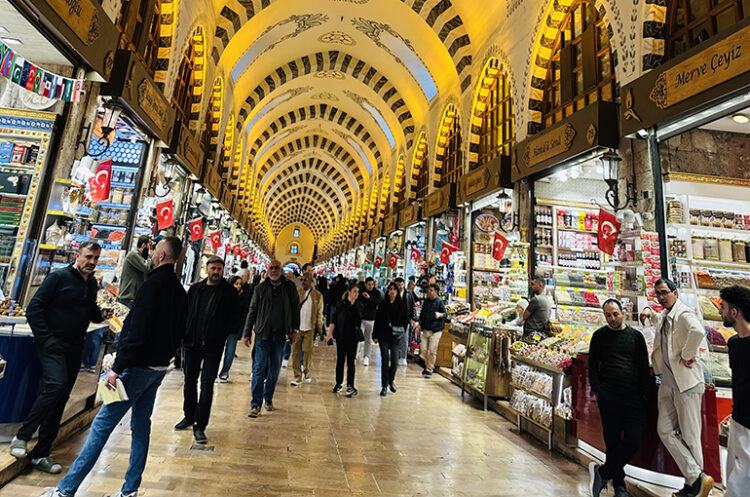
Visa-Free Policy Gives Chinese Tourism to Türkiye a Boost
Comprehensive Summarization:
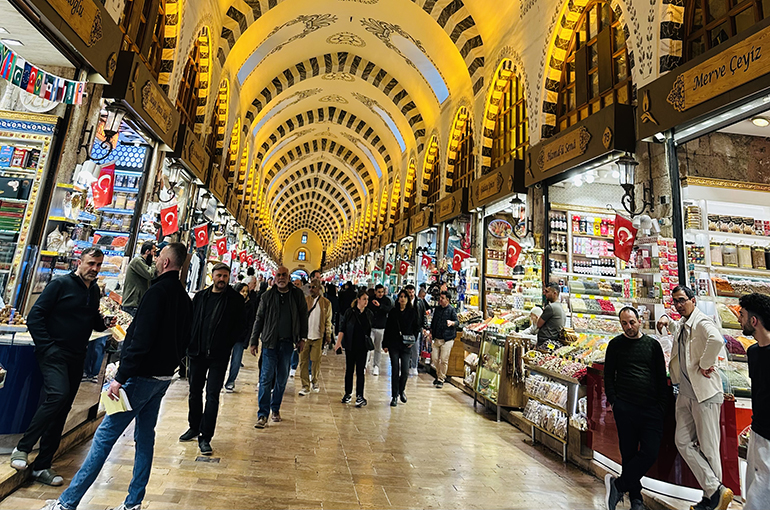
The article discusses a significant increase in tourism from China to Türkiye following the implementation of a visa-free policy for Chinese citizens in January. According to Gökhan Yazgi, Türkiye’s deputy minister of culture and tourism, the number of Chinese visitors to the country has risen by approximately 47 percent this year. This surge is attributed to Türkiye’s strategic location straddling Europe and Asia, placing it outside the conflict zones in the Middle East, despite the broader regional disruptions affecting flights and cruise operations. The article highlights the impact of geopolitical events on travel, the effectiveness of Türkiye’s visa policy in attracting Chinese tourists, and the broader context of travel trends influenced by regional conflicts and tourism policies.
Key Points:
Actionable Takeaways:
Leverage Visa-Free Policies for Tourism Growth: Türkiye’s success with a visa-free policy for Chinese citizens demonstrates the potential of such policies in boosting tourism. Countries can consider similar policies to attract tourists from specific regions, provided they align with national security and immigration policies.
Monitor Regional Conflicts’ Impact on Travel: The article underscores the vulnerability of the travel industry to geopolitical events. Travel companies and policymakers should closely monitor regional conflicts and their impact on travel routes and policies to mitigate disruptions and adapt strategies accordingly.
Invest in Travel Infrastructure and Connectivity: Given Türkiye’s strategic location, investing in infrastructure and connectivity can further enhance its appeal as a tourist destination. Improvements in transportation, digital services, and tourism infrastructure can attract more visitors and improve their travel experience.
Contextual Insights:
The article reflects current travel trends where geopolitical events significantly influence tourism patterns. The surge in Chinese tourists to Türkiye highlights how strategic policies can attract international visitors, especially in regions affected by conflicts. This trend suggests a broader industry shift towards leveraging geopolitical stability and attractive policies to boost tourism. Furthermore, the article’s emphasis on the impact of regional conflicts on travel highlights the need for the travel industry to develop resilient strategies that can adapt to geopolitical uncertainties. As travel startups and fintech innovations continue to evolve, there is a growing opportunity to use technology to enhance travel experiences, particularly in regions prone to geopolitical risks. This includes developing secure payment solutions, real-time travel advisories, and digital platforms that facilitate seamless travel planning and execution amidst changing global dynamics.
Read the Complete Article.
Experience the magic of the Nile aboard Kenzy Dahabeya, a luxury boutique sailing cruise that offers an unforgettable journey between...
Read moreDetails



