












Comprehensive Summarization:
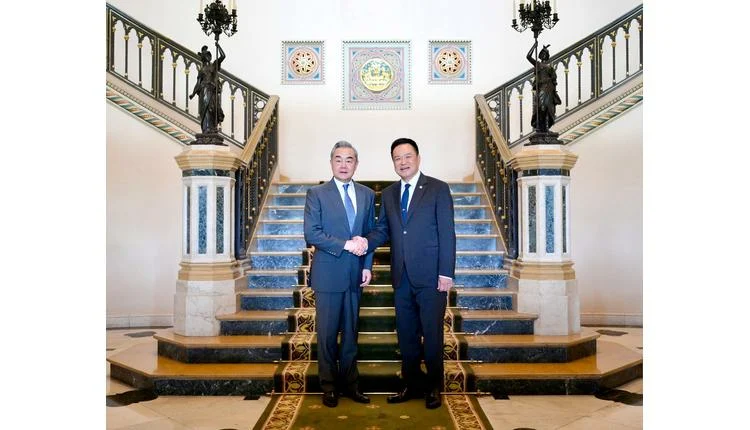
The article discusses Thailand’s strategic tourism agenda, unveiled following the visit of China’s Foreign Minister, Wang Yi, to Thailand from April 23 to 25, 2026. This agenda, presented during Wang’s meeting with Thailand’s Prime Minister, Anutin Charnvirakul, is part of the 3rd Thailand–China Foreign Ministers’ Consultation Mechanism. The Tourism Authority of Thailand (TAT) aims to position tourism as a key element in enhancing bilateral relations with China. The primary targets are to attract 4.72 million Chinese visitors and generate at least $7.3 billion (260 billion Baht) in tourism revenue by 2026. TAT Governor Thapanee Kiatphaibool highlighted the importance of China as a key tourism market, emphasizing the high-level nature of this partnership.
Key Points:
- Thailand has launched a strategic tourism agenda aimed at strengthening its partnership with China, following a visit by China’s Foreign Minister, Wang Yi.
- The agenda was presented during Wang’s meeting with Thailand’s Prime Minister, Anutin Charnvirakul, as part of the 3rd Thailand–China Foreign Ministers’ Consultation Mechanism.
- The Tourism Authority of Thailand (TAT) aims to position tourism as a pivotal element in enhancing bilateral relations with China.
- The targets include attracting 4.72 million Chinese visitors and generating at least $7.3 billion (260 billion Baht) in tourism revenue by 2026.
- TAT Governor Thapanee Kiatphaibool emphasized the importance of China as a key tourism market.
Actionable Takeaways:
-
Enhanced Bilateral Relations through Tourism: Thailand’s strategic tourism agenda with China presents an opportunity for enhanced bilateral relations. By targeting 4.72 million Chinese visitors and generating $7.3 billion in revenue by 2026, Thailand can leverage its tourism sector as a tool for strengthening diplomatic ties. This approach aligns with current industry trends emphasizing the importance of strategic partnerships in driving economic growth and fostering international cooperation.
-
Focus on Key Tourism Markets: The emphasis on China as a key tourism market underscores the importance of targeting high-potential markets. For travel startups and fintech innovations, this presents an opportunity to develop solutions that cater to the specific needs of Chinese tourists, such as streamlined visa processes, digital payment systems, and personalized travel experiences. Such innovations could significantly boost tourism revenue and solidify Thailand’s position as a premier travel destination in the region.
Contextual Insights:
The article reflects the ongoing trend of countries leveraging tourism as a strategic tool for economic growth and diplomatic relations. The focus on China as a key market highlights the importance of regional partnerships in the travel industry. With the rise of digital travel solutions and the increasing preference for seamless, tech-driven travel experiences, travel startups and fintech innovations that cater to Chinese tourists could see significant growth. Additionally, the emphasis on attracting a large number of visitors by 2026 aligns with broader industry trends towards sustainable tourism and the need for scalable, high-impact marketing strategies. This context suggests that Thailand’s strategic agenda is not only a response to current market conditions but also a forward-looking initiative that positions the country at the forefront of global tourism diplomacy.
Read the Complete Article.






