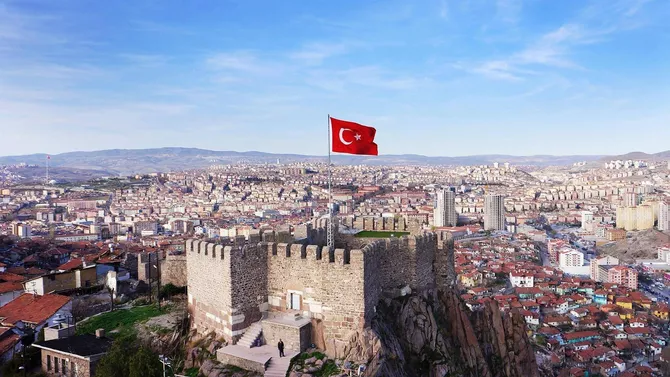













Article Summary:
Ankara has been officially designated as the “2026 Turkic World Tourism Capital” following a symbolic handover ceremony in Manas, Kyrgyzstan. This decision was made at the Organization of Turkic States (OTS) tourism ministers’ meeting on July 9, 2025. The title was handed over by Manas Mayor Ernisbek Ormokov to Ankara Deputy Governor Izzettin Sevgili and Ankara Provincial Director of Culture and Tourism Erhan Karakaya. The Turkic World Tourism Capital initiative aims to strengthen tourism across Turkic states.
Key Points:
- Ankara has been officially recognized as the “2026 Turkic World Tourism Capital.”
- The designation was announced at a ceremony in Manas, Kyrgyzstan, following a meeting of OTS tourism ministers on July 9, 2025.
- The Turkic World Tourism Capital initiative seeks to enhance tourism across Turkic states.
Actionable Takeaways:
- Tourism Capital Designation: Ankara’s designation as the 2026 Turkic World Tourism Capital presents a significant opportunity for the city to boost its tourism sector. This recognition could lead to increased investment in tourism infrastructure, marketing campaigns, and cultural events, thereby driving economic growth in the region.
- OTC Collaboration: The involvement of the Organization of Turkic States (OTS) in this initiative highlights a collaborative approach to tourism development across Turkic states. This collaboration could facilitate the sharing of best practices, resources, and technologies, fostering a more integrated and competitive tourism market within the region.
Contextual Insights:
The designation of Ankara as the 2026 Turkic World Tourism Capital is a strategic move that aligns with current global trends in tourism, such as the emphasis on cultural heritage and regional cooperation. This move reflects a broader trend of cities and regions vying for global tourism recognition, leveraging their unique cultural and historical assets to attract international visitors. Furthermore, the initiative underscores the importance of regional cooperation in the travel industry, particularly in the context of the OTS, which aims to strengthen ties among Turkic states. This could lead to increased cross-border tourism, cultural exchanges, and joint tourism projects, ultimately benefiting the travel sector in the region. As the travel industry continues to evolve, such collaborative efforts and recognition of tourism capitals are likely to play a crucial role in shaping future travel trends and innovations.
Read the Complete Article.



