








Sail Through Time: Discover the Timeless Wonders of Upper Egypt Aboard Kenzy Dahabeya
Experience the magic of the Nile aboard Kenzy Dahabeya, a luxury boutique sailing cruise that offers an unforgettable journey between...
Read moreDetails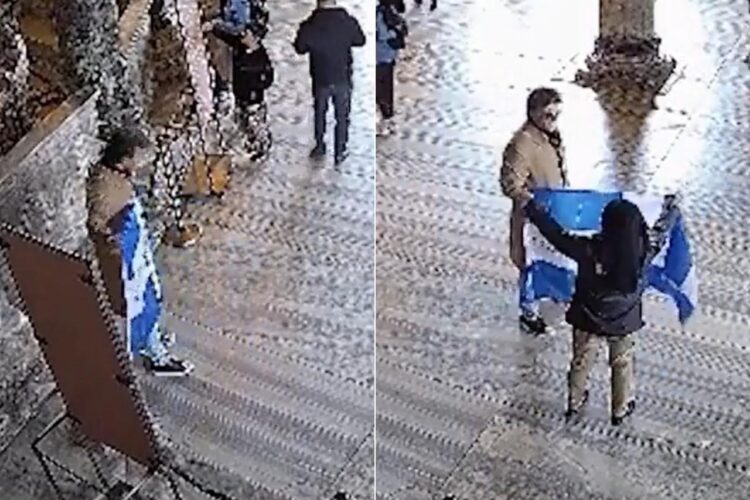
Greek tourists detained over provocative act inside Hagia Sophia
Comprehensive Summarization:
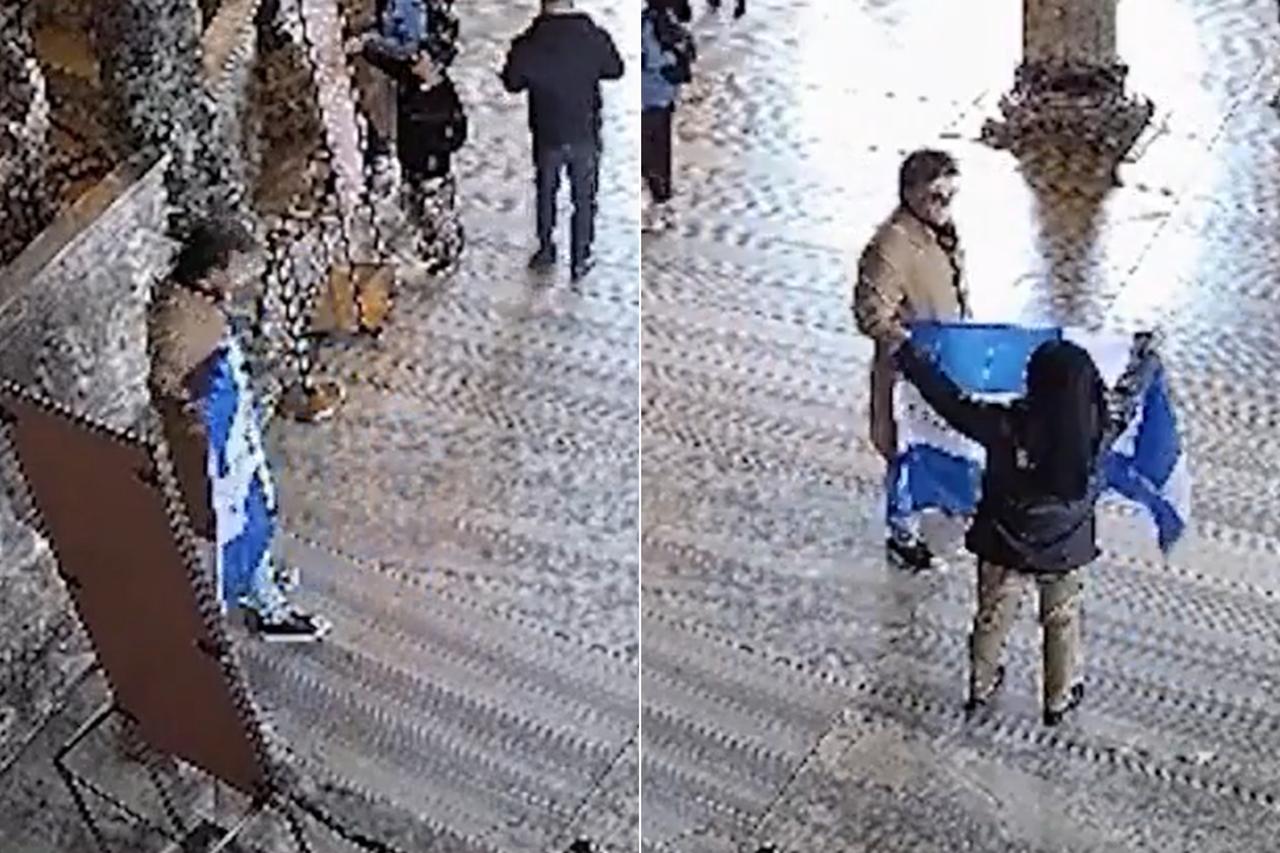
On April 9, 2026, two Greek tourists were detained inside Hagia Sophia, a Grand Mosque in Turkey, after displaying a flag with the Byzantine double-headed eagle symbol during their visit. The incident occurred in the upper gallery section of the mosque, which is open to visitors, after they had passed through security checks, including X-ray screening and physical inspection. Footage shared by NTV showed one of the tourists unfolding the concealed flag. The incident has sparked discussions about cultural sensitivity and security measures within religious sites frequented by tourists.
Key Points:
Actionable Takeaways:
Enhanced Security Protocols: Implement advanced security measures, such as body scanners and AI-based detection systems, to prevent the concealment of items that could be used to display offensive symbols or objects in religious sites. This will help maintain the sanctity of these places while ensuring the safety of all visitors.
Cultural Sensitivity Training for Tour Operators: Develop comprehensive training programs for tour operators and guides to educate them about the cultural and religious significance of sites like Hagia Sophia. This will foster a respectful environment for all visitors and reduce the likelihood of incidents involving offensive displays.
Collaboration with Religious Authorities: Establish a collaborative framework with religious authorities and local tourism boards to monitor and manage the behavior of tourists in sensitive areas. This partnership can help in setting clear guidelines and enforcing them effectively, ensuring a harmonious experience for all visitors.
Contextual Insights:
The incident at Hagia Sophia underscores the ongoing challenges faced by religious sites in balancing the needs of tourists with the preservation of their cultural and religious integrity. In recent years, there has been a growing emphasis on enhancing security measures in such locations to protect both the artifacts and the visitors. The use of advanced technologies, such as AI-based detection systems, can play a crucial role in identifying concealed items that might be used to display offensive symbols. Additionally, cultural sensitivity training for tour operators is essential to ensure that visitors are educated about the significance of the sites they visit, thereby fostering a respectful and harmonious atmosphere. Collaborating with religious authorities can provide a structured approach to managing visitor behavior, thereby minimizing the risk of incidents and promoting a positive experience for all. These insights are particularly relevant in the context of the evolving travel industry, where the demand for safe, respectful, and culturally aware tourism experiences is on the rise.
Read the Complete Article.
Experience the magic of the Nile aboard Kenzy Dahabeya, a luxury boutique sailing cruise that offers an unforgettable journey between...
Read moreDetails



