






Sail Through Time: Discover the Timeless Wonders of Upper Egypt Aboard Kenzy Dahabeya
Experience the magic of the Nile aboard Kenzy Dahabeya, a luxury boutique sailing cruise that offers an unforgettable journey between...
Read moreDetails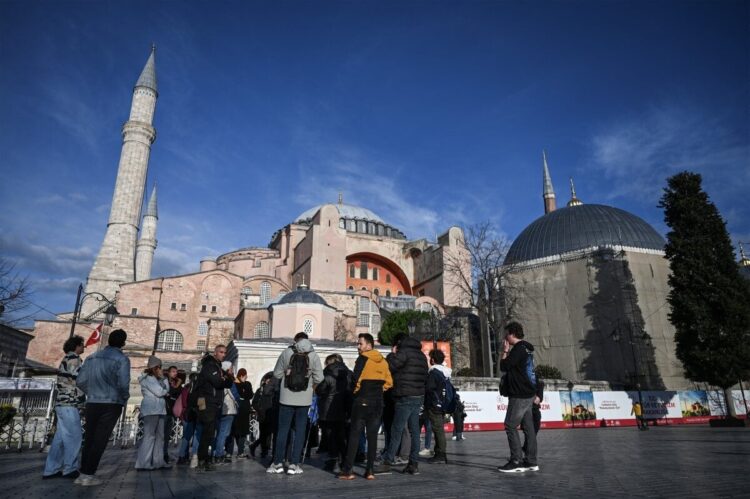
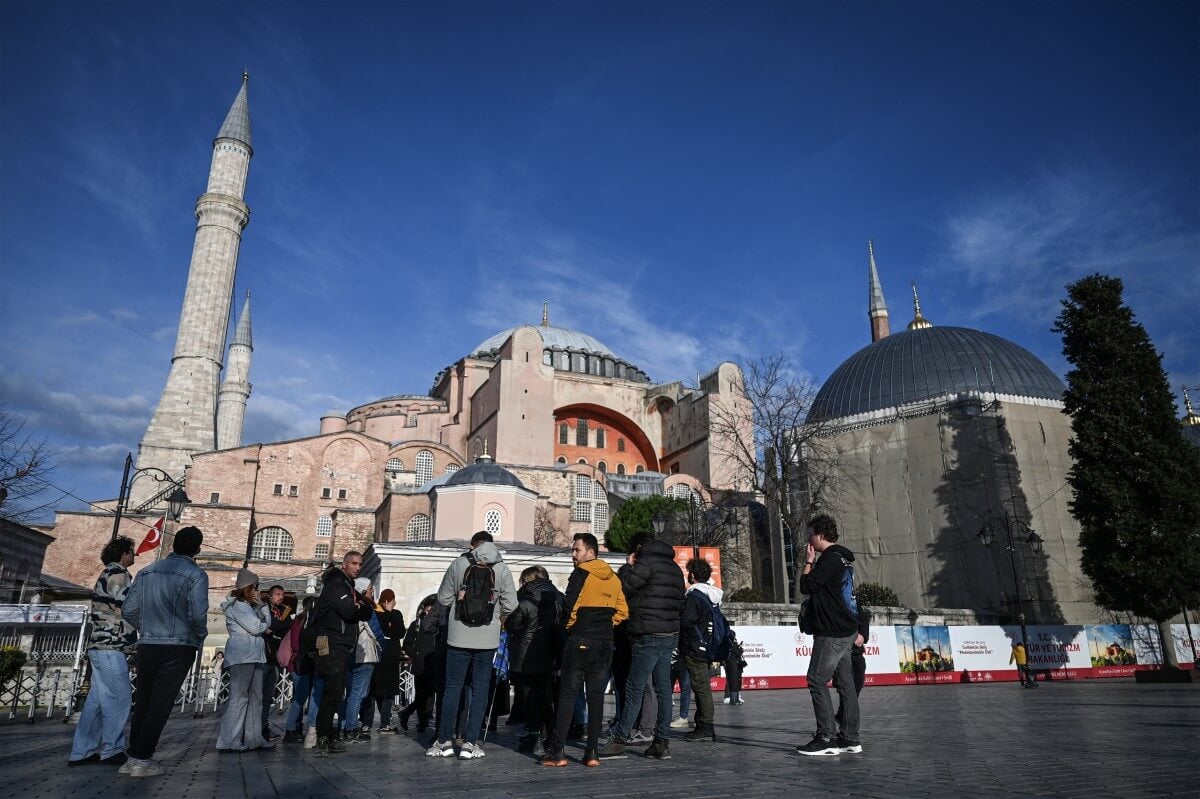
Tourists stand outside Hagia Sophia as their tourist guide give information, in Istanbul, on January 15,2024. Since January 15, 2024, foreign visitors have to pay a fee of 25 euros to enter the Byzantine Basilica of Hagia Sophia, one of Istanbul's most emblematic monuments. (Photo by Ozan KOSE / AFP)
Comprehensive Summarization:
The article reports on a concerning practice at Istanbul’s historic sites, where tourists are being directed into overpriced ticket packages. According to the report, a company owned by a relative of Turkey’s culture and tourism minister, DEM Müzecilik, is allegedly hiding standard-price tickets at the Hagia Sophia Mosque and adding undisclosed charges at the Istanbul Archaeology Museums. Visitors have reported that the €25 standard ticket for the Hagia Sophia gallery floor is being misrepresented as unavailable, instead offering a €50 combo package that includes an Experience Museum at the Hippodrome. This practice extends beyond physical ticket booths, with QR codes on information boards directing visitors to DEM Müzecilik’s offerings. The article highlights a broader issue of ticket manipulation and price inflation in the travel industry, particularly in historic and cultural sites, and raises questions about transparency and consumer protection in tourism.
Key Points:
Actionable Takeaways:
Enhanced Transparency in Ticketing: Travel operators should implement clear and transparent ticketing systems to avoid misleading tourists. This includes displaying all available ticket options upfront and avoiding hidden charges or misleading descriptions. Transparency builds trust and ensures a positive experience for tourists.
Regulatory Oversight and Enforcement: Governments and tourism authorities should strengthen regulations and enforcement mechanisms to prevent ticket manipulation and price inflation in historic and cultural sites. Regular audits and penalties for non-compliance can deter such practices and protect consumers.
Technological Solutions for Authenticity Verification: Leveraging technology, such as blockchain or QR code verification systems, can help authenticate ticket offerings and ensure tourists receive the correct pricing and services. This can mitigate the risk of hidden charges and promote a fairer pricing model in the travel industry.
Contextual Insights:
The article reflects a growing concern within the travel industry regarding the integrity and transparency of ticketing practices, especially in historic and cultural sites. As tourism continues to be a significant sector of the global economy, maintaining trust and ensuring fair practices are paramount. The use of technology, such as QR codes and blockchain, presents innovative solutions to verify ticket authenticity and protect consumers from deceptive practices. This aligns with broader industry trends towards digital transformation and the adoption of fintech solutions to enhance customer experience and security. The case of DEM Müzecilik highlights the need for regulatory bodies to closely monitor such entities and ensure they adhere to ethical standards, thereby safeguarding the interests of tourists and preserving the cultural heritage of sites like the Hagia Sophia and the Istanbul Archaeology Museums.
Read the Complete Article.
Experience the magic of the Nile aboard Kenzy Dahabeya, a luxury boutique sailing cruise that offers an unforgettable journey between...
Read moreDetails



