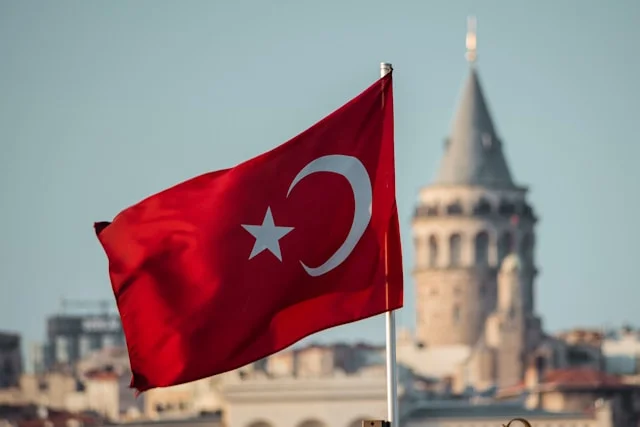
Uzbekistan increases travel to Türkiye by 17.7% in 2026
THE NEWS: Uzbekistan's National Statistics Committee reported that 166,893 Uzbek citizens visited Türkiye between January and July 2026, a rise of...
Read moreDetailsEvery alert that matters — when it happens.

Medical Tourism Is Overhyped
Comprehensive Summarization:
The article discusses the growing trend of medical tourism, where Americans are increasingly traveling abroad for cheaper medical treatment due to rising healthcare costs in the U.S. An industry study estimates the market for medical tourism to reach $111 billion by 2026. Princeton’s Uwe Reinhardt suggested that offshoring of elective surgeries could significantly impact the U.S. healthcare system, similar to how the Japanese auto industry affected American carmakers. Despite this potential, patients generally prefer receiving treatment close to home, and insurers are also involved in this evolving landscape.
Key Points:
Actionable Takeaways:
Opportunity for Healthcare Providers: The growth of medical tourism presents an opportunity for U.S. healthcare providers to expand their services internationally, potentially increasing their market share and revenue. This could involve establishing partnerships with international healthcare providers or developing specialized medical tourism packages.
Innovation in Healthcare Insurance: The trend towards medical tourism could drive innovation in healthcare insurance. Insurers may need to adapt their policies to cover treatments abroad, potentially leading to new insurance products or services. This could also spur competition among insurers to offer the best coverage for medical tourists.
Contextual Insights:
The rise of medical tourism reflects broader trends in globalization and the search for cost-effective healthcare solutions. As healthcare costs continue to rise in many countries, including the U.S., patients are increasingly looking for alternatives. This trend is further supported by technological advancements that make international travel and communication more accessible. For the travel industry, this presents both challenges and opportunities. Providers must ensure they meet the needs of medical tourists while also adapting to the evolving landscape of healthcare insurance. Startups and fintech companies could play a crucial role in facilitating medical tourism by developing secure payment solutions and travel packages tailored to this niche market.
Read the Complete Article.
THE NEWS: Uzbekistan's National Statistics Committee reported that 166,893 Uzbek citizens visited Türkiye between January and July 2026, a rise of...
Read moreDetails

Experience the magic of the Nile aboard Kenzy Dahabeya, a luxury boutique sailing cruise that offers an unforgettable journey between...
Read moreDetails