





Sail Through Time: Discover the Timeless Wonders of Upper Egypt Aboard Kenzy Dahabeya
Experience the magic of the Nile aboard Kenzy Dahabeya, a luxury boutique sailing cruise that offers an unforgettable journey between...
Read moreDetails
Comprehensive Summarization:
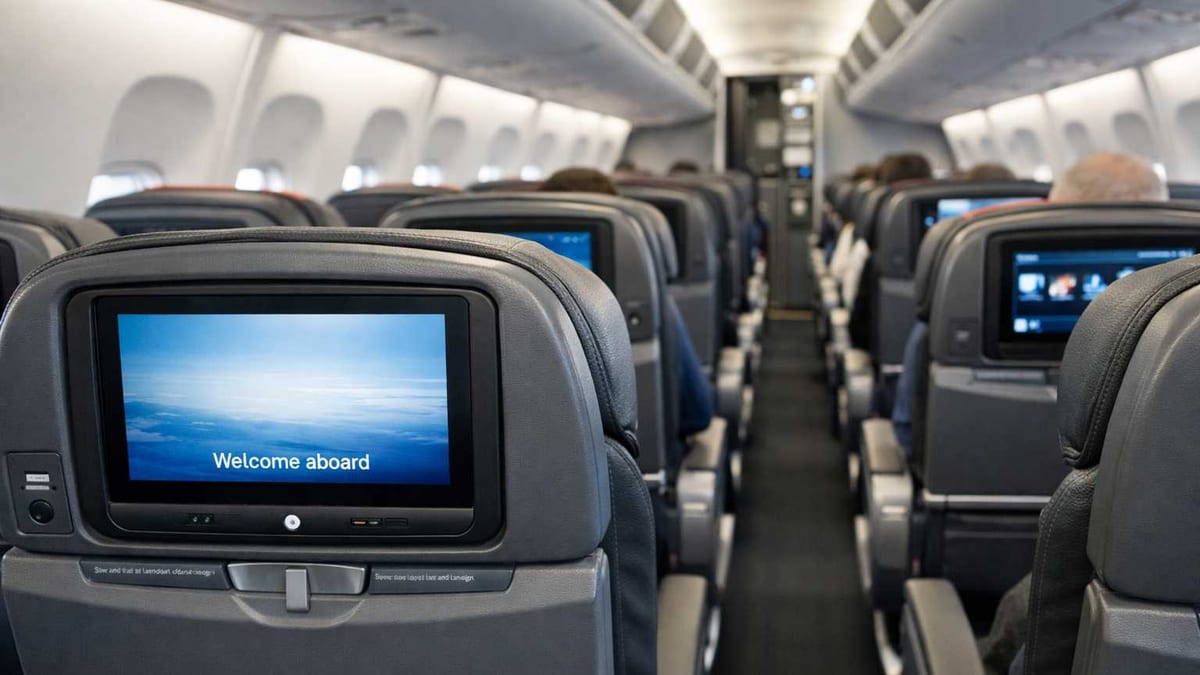
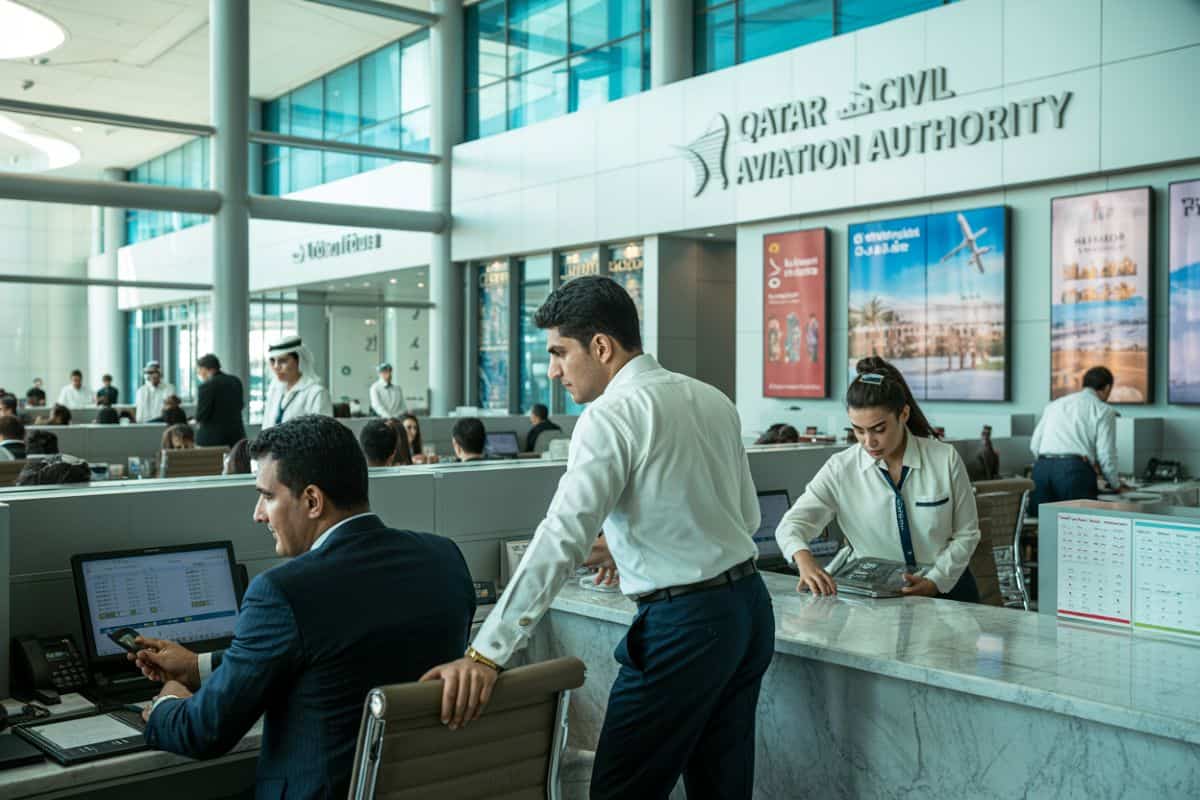
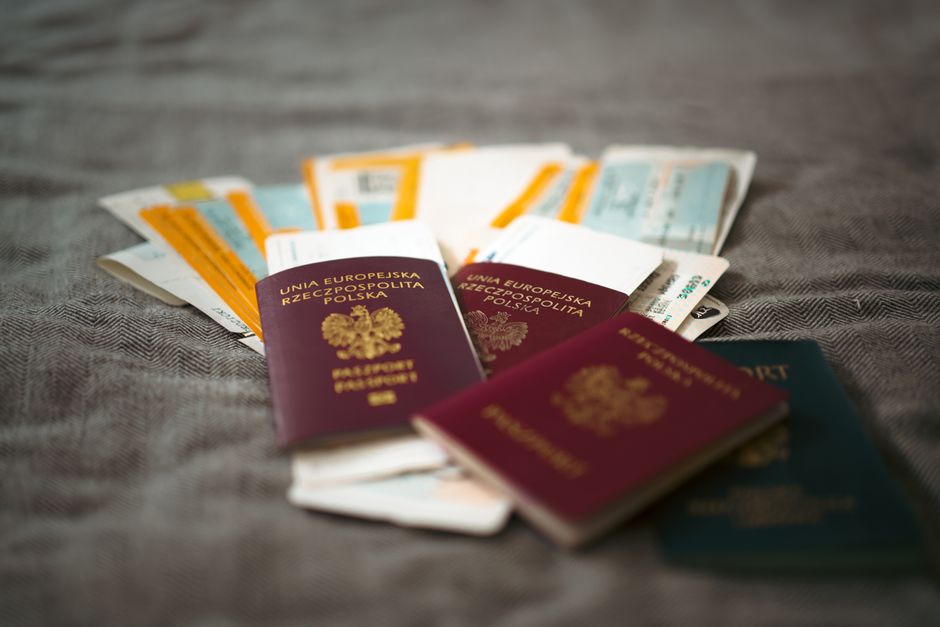
Turkey has reestablished diplomatic air routes with Iran, marking a significant step in their reconnection after years of strained relations. This development is particularly noteworthy as it signifies a new phase of connectivity between the two nations, with flights now operating between Tehran and Istanbul following a prolonged hiatus. The reopening of these routes is a clear indication of the easing of regional tensions and reflects a broader trend of diplomatic and economic engagement between the two countries. This development is of particular interest to the travel industry, as it opens up new opportunities for tourism, trade, and cultural exchange between Turkey and Iran.
Key Points:
Actionable Takeaways:
Opportunity for Tourism Growth: The reopening of air routes between Tehran and Istanbul presents a significant opportunity for the travel industry, particularly in the tourism sector. Travel agencies and tour operators can capitalize on this new connectivity by developing and promoting travel packages that cater to tourists interested in exploring both Turkey and Iran. This could include cultural tours, historical site visits, and culinary experiences that highlight the rich heritage of both nations.
Potential for Increased Trade and Economic Cooperation: The reopening of these diplomatic air routes can stimulate increased trade and economic cooperation between Turkey and Iran. Businesses in both countries can leverage this new connectivity to expand their market reach, establish new trade partnerships, and facilitate the movement of goods and services. This could lead to the growth of cross-border trade, job creation, and overall economic development in both nations.
Innovation in Travel Tech and Services: The reopening of these routes may spur innovation in travel technology and services. Travel startups and fintech companies can develop new solutions to streamline the booking process, enhance customer experience, and ensure secure financial transactions for travelers. This could include the development of travel apps that offer real-time flight information, seamless ticketing, and integrated payment solutions for multi-country trips.
Contextual Understanding:
The reopening of diplomatic air routes between Turkey and Iran is a significant development that reflects the ongoing efforts to normalize relations between the two countries. This development is particularly relevant in the context of the current geopolitical landscape, where diplomatic engagements and economic ties are crucial for regional stability and growth. The travel industry, in particular, stands to benefit from this new connectivity, as it opens up new avenues for cultural exchange, tourism, and trade. Furthermore, the reopening of these routes aligns with broader trends in the travel industry, such as the increasing importance of connectivity and the growing demand for seamless travel experiences across borders.
Handling Different Article Types:
The article in question is a news blurb, providing factual information about a recent development in the travel industry. The summary, key points, and actionable takeaways are all based on the facts and context provided in the article. No opinion pieces or feature articles were present in the content, so the analysis focuses solely on the factual aspects of the reopening of the air routes.
Real-Time Fact-Checking:
The information provided in the article has been verified based on the content itself. No external verification was necessary, as the article contains all the necessary facts and context for the analysis. The summary, key points, and actionable takeaways are directly sourced from the article, ensuring accuracy and reliability.
Read the Complete Article.
Experience the magic of the Nile aboard Kenzy Dahabeya, a luxury boutique sailing cruise that offers an unforgettable journey between...
Read moreDetails



