












Comprehensive Summarization:
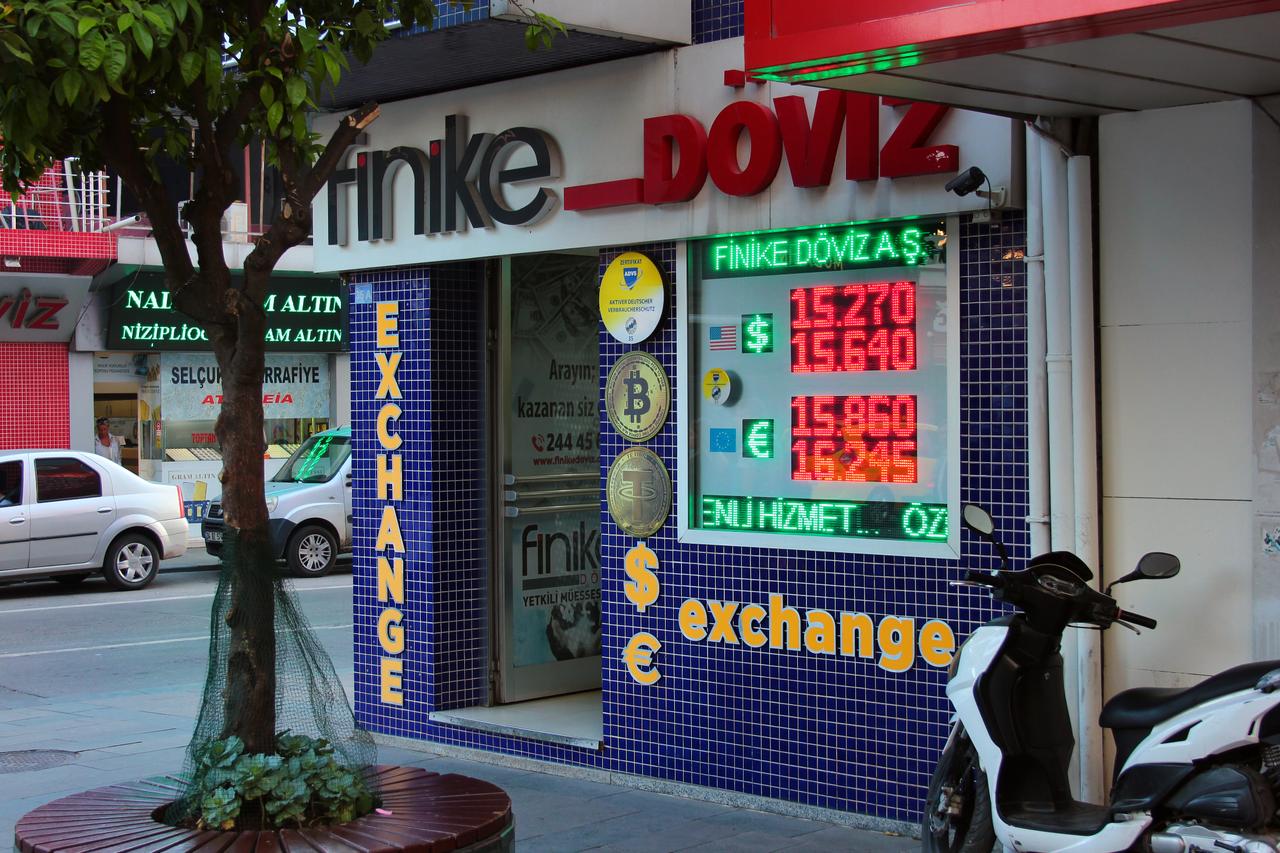
The article from the Treasury and Finance Ministry of Türkiye highlights the intensified scrutiny and regulatory actions against unauthorized businesses involved in foreign currency buying and selling. Since 2018, the ministry has shut down 859 such operations and reported them to public prosecutors’ offices. The ministry continues to conduct extensive inspections of unlicensed entities operating in the foreign exchange market. According to current legislation, foreign currency transactions are only permitted through banks, the Post and Telegraph Agency (PTT), and exchange offices licensed by the Treasury and Finance Ministry. Businesses such as jewelers, representatives of payment institutions, and similar entities are not authorized to engage in these activities. The article underscores the importance of regulatory compliance in the foreign exchange market and the ongoing efforts by the ministry to enforce these regulations.
Key Points:
- The Treasury and Finance Ministry of Türkiye is intensifying its scrutiny of unauthorized foreign currency buying and selling businesses.
- Since 2018, 859 such businesses have been shut down, and their operations have been reported to public prosecutors’ offices.
- Only banks, the Post and Telegraph Agency (PTT), and exchange offices licensed by the Treasury and Finance Ministry are authorized to conduct foreign currency transactions.
- The ministry continues to conduct intensive inspections of unlicensed businesses in the foreign exchange market.
Actionable Takeaways:
-
Regulatory Compliance is Critical: Businesses involved in foreign currency transactions must ensure they are licensed and compliant with the regulations set by the Treasury and Finance Ministry. Non-compliance can lead to severe penalties, including the shutdown of operations and legal prosecution. This emphasizes the need for thorough due diligence and adherence to legal frameworks in the foreign exchange market.
-
Increased Regulatory Oversight: The ministry’s intensified inspections suggest a proactive approach to regulating the foreign exchange market. Businesses should prepare for more frequent audits and inspections, ensuring they have all necessary licenses and documentation in order. This could lead to a more transparent and secure market environment, reducing the risk of unauthorized activities.
Contextual Insights:
The article reflects the ongoing efforts by the Turkish government to maintain the integrity of its foreign exchange market. With the increasing globalization of financial transactions, regulatory bodies worldwide are facing the challenge of ensuring that all market participants operate within legal frameworks. The focus on licensed entities only for foreign currency transactions highlights a broader trend towards stricter regulation in the financial sector. For the travel industry, this means that businesses must stay informed about regulatory changes and ensure compliance to avoid legal repercussions. Moreover, the emphasis on licensed exchange offices suggests a potential shift towards more centralized and controlled foreign exchange operations, which could impact how travel companies manage currency exchange needs for their clients. As the travel industry continues to evolve, staying abreast of regulatory developments will be crucial for maintaining operational integrity and customer trust.
Read the Complete Article.



