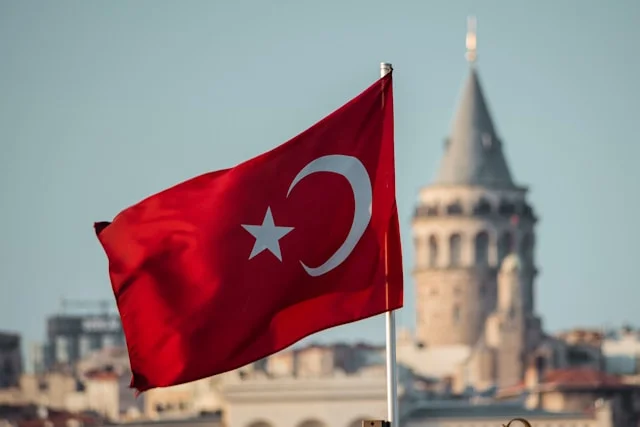
Uzbekistan increases travel to Türkiye by 17.7% in 2026
THE NEWS: Uzbekistan's National Statistics Committee reported that 166,893 Uzbek citizens visited Türkiye between January and July 2026, a rise of...
Read moreDetailsEvery alert that matters — when it happens.
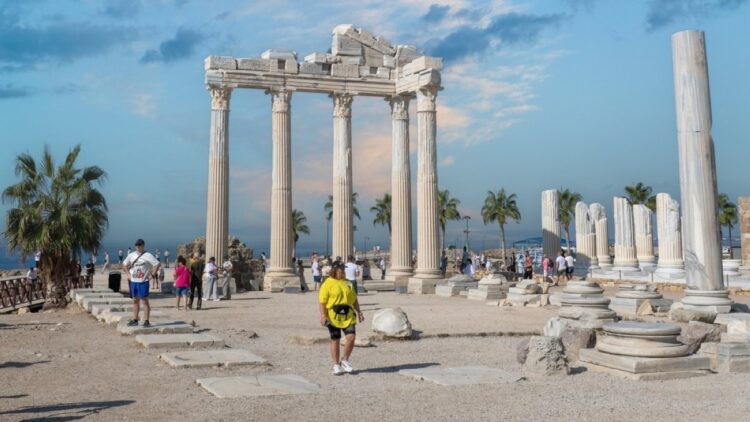
Despite geopolitical tensions, Türkiye beats odds in tourism
Comprehensive Summarization:
Türkiye’s tourism sector experienced significant growth in 2025, welcoming 64 million tourists and generating $65.2 billion in revenue, both figures marking a 3% increase in tourist numbers and a 7% surge in revenue compared to the previous year. This growth occurred despite geopolitical tensions in the region, as highlighted by Erkan Yağcı, President of the Turkish Hoteliers Federation (TÜROFED). Yağcı emphasized Türkiye’s status as a “truly powerful tourism country in the world,” underscoring the resilience and potential of the country’s tourism industry amidst global challenges.
Key Points:
Actionable Takeaways:
Leverage Tourism Growth for Economic Development: The significant increase in tourism revenue and tourist numbers presents an opportunity for Türkiye to further leverage its tourism sector for economic development. By focusing on sustainable tourism practices and enhancing visitor experiences, Türkiye can continue to capitalize on this growth, potentially attracting more international tourists and boosting local economies.
Invest in Tourism Infrastructure and Safety Measures: Given the resilience of Türkiye’s tourism sector despite geopolitical challenges, there is a strategic imperative to invest in tourism infrastructure and safety measures. Enhancing security protocols and improving infrastructure can further bolster the country’s appeal as a safe and attractive tourist destination, ensuring sustained growth in the sector.
Contextual Insights:
The article reflects the ongoing resilience of Türkiye’s tourism sector in the face of geopolitical challenges, a testament to the country’s strategic positioning in the global tourism market. The growth figures, despite regional tensions, underscore the sector’s robustness and the potential for continued expansion. This context is crucial for understanding the broader implications for the travel industry, particularly in terms of economic opportunities and the need for strategic investments in infrastructure and safety. Furthermore, the insights align with current industry trends emphasizing the importance of resilience and adaptability in the tourism sector, especially in regions facing geopolitical uncertainties. As such, the article provides valuable forward-looking perspectives for stakeholders in the travel industry, highlighting the importance of strategic planning and investment in navigating future challenges.
Read the Complete Article.
THE NEWS: Uzbekistan's National Statistics Committee reported that 166,893 Uzbek citizens visited Türkiye between January and July 2026, a rise of...
Read moreDetails

Experience the magic of the Nile aboard Kenzy Dahabeya, a luxury boutique sailing cruise that offers an unforgettable journey between...
Read moreDetails