











Sail Through Time: Discover the Timeless Wonders of Upper Egypt Aboard Kenzy Dahabeya
Experience the magic of the Nile aboard Kenzy Dahabeya, a luxury boutique sailing cruise that offers an unforgettable journey between...
Read moreDetails
‘YOUR WAR, NOT OURS’: NATO Nation Leaves Trump Isolated In Explosive HORMUZ SHOWDOWN Against Iran
Comprehensive Summarization:
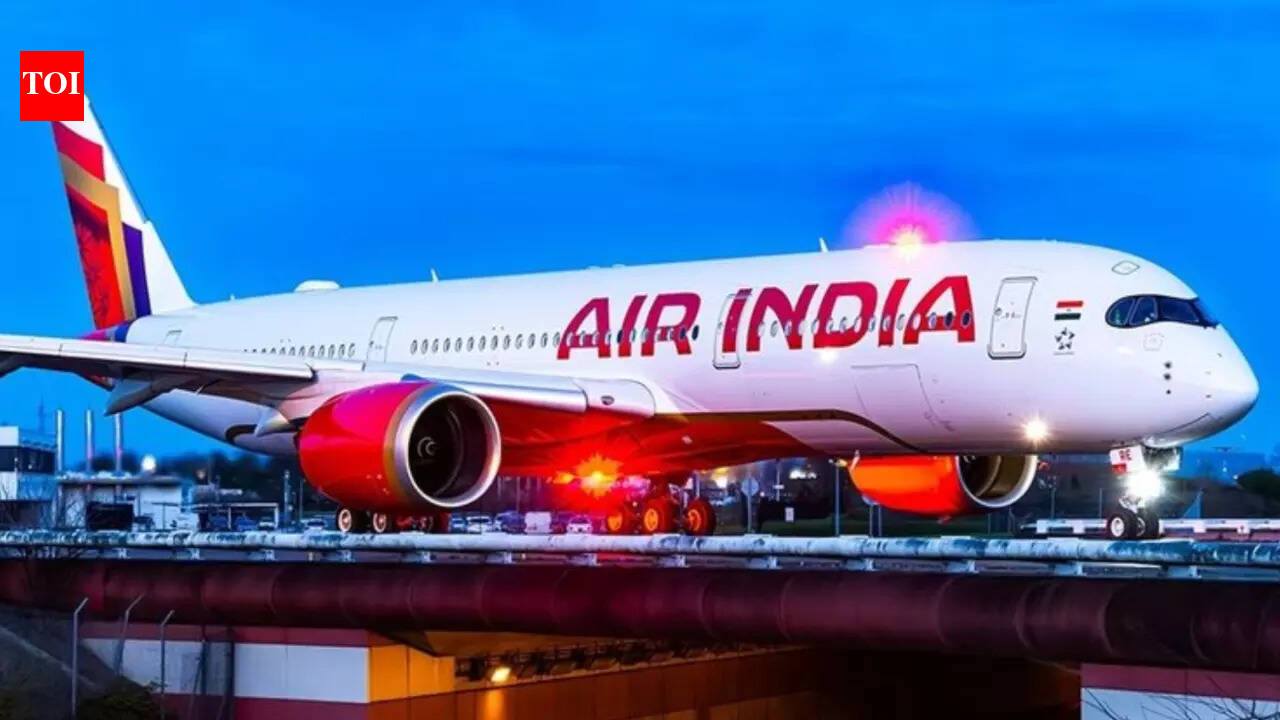
Air India, India’s national carrier, has made significant changes to its flight schedules in response to escalating geopolitical tensions in the Middle East. Specifically, the airline has shifted several of its flights bound for the United Arab Emirates away from Dubai International Airport, redirecting services to Sharjah and Abu Dhabi. This move comes as a direct response to the ongoing conflict between Iran, the United States, and Israel, which has led to the temporary halting of Dubai flights. The article highlights the broader impact of such geopolitical events on global aviation, forcing major airlines to adapt their schedules and potentially affecting travel plans for passengers.
Key Points:
Actionable Takeaways:
Flexible Travel Planning: Airlines should implement flexible booking policies to accommodate passengers affected by sudden route changes due to geopolitical events. This can help mitigate the financial impact on travelers and maintain customer satisfaction.
Enhanced Communication: Airlines must improve communication with passengers regarding route changes and potential delays. Clear and timely updates can help manage passenger expectations and reduce anxiety during uncertain times.
Focus on Safety and Compliance: Airlines should prioritize safety and compliance with international regulations, especially during times of heightened geopolitical tensions. This includes adhering to updated travel advisories and ensuring passenger safety in altered flight paths.
Contextual Insights:
The article underscores the interconnectedness of global events and the travel industry. In an era where geopolitical tensions can rapidly alter travel dynamics, airlines must remain agile and responsive. The shift in Air India’s routes highlights the need for airlines to have contingency plans in place for such scenarios. Moreover, the incident serves as a reminder of the importance of real-time communication and customer-centric policies in maintaining trust and loyalty among travelers. As the travel industry continues to evolve, integrating technological solutions for real-time route adjustments and enhanced customer communication will be crucial in navigating future challenges.
Read the Complete Article.
Experience the magic of the Nile aboard Kenzy Dahabeya, a luxury boutique sailing cruise that offers an unforgettable journey between...
Read moreDetails



