









Sail Through Time: Discover the Timeless Wonders of Upper Egypt Aboard Kenzy Dahabeya
Experience the magic of the Nile aboard Kenzy Dahabeya, a luxury boutique sailing cruise that offers an unforgettable journey between...
Read moreDetails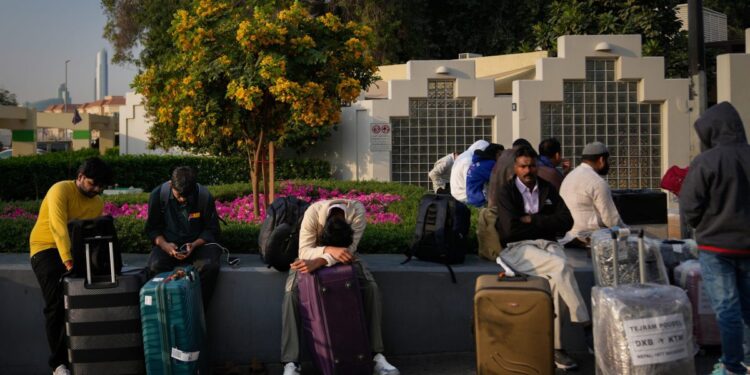
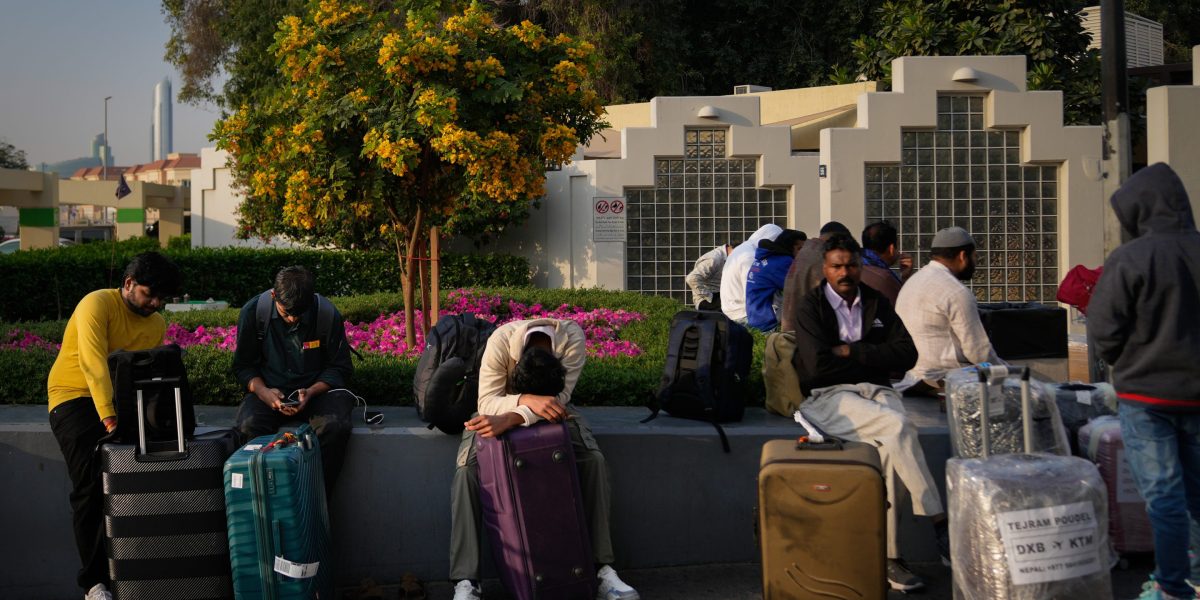
American tourist stranded in Dubai due to Iran's bombardment doesn't think she'll be back
Comprehensive Summarization:
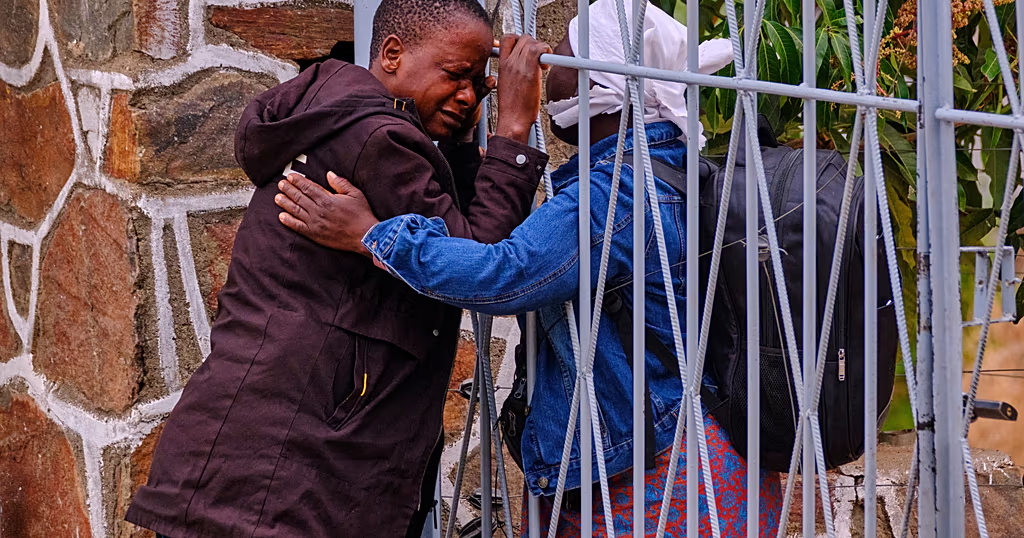
The article reports a significant escalation in tensions between Iran and the United Arab Emirates (UAE), with Iranian weaponry targeting Dubai and Abu Dhabi. The attacks resulted in damage to a five-star resort, threatened the world’s tallest building, and caused casualties at the airport in Abu Dhabi. This incident shatters the long-held image of the UAE as a peaceful, tax-free, and safe destination for foreigners. The article also touches on broader regional conflicts, referencing the major attack by U.S. and Israeli forces, indicating a complex geopolitical situation affecting the travel industry in the region.
Key Points:
Actionable Takeaways:
Risk Assessment for Travel and Tourism: Travel agencies and tourism boards should conduct a thorough risk assessment of travel to the UAE, particularly focusing on Dubai and Abu Dhabi. This includes advising clients on potential safety concerns and advising against non-essential travel to these areas until the situation stabilizes.
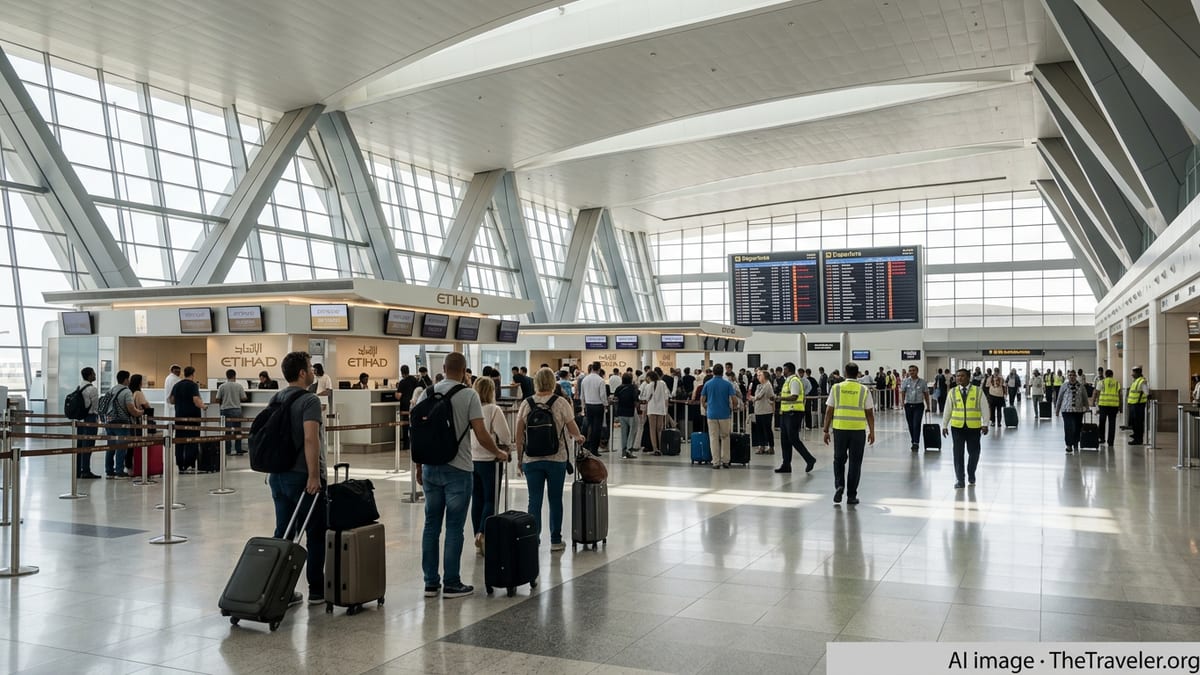
Enhanced Security Measures: Airlines and airports in the UAE should enhance security protocols, especially at Abu Dhabi International Airport, to prevent further incidents. This could involve increased surveillance, security personnel, and emergency response planning.
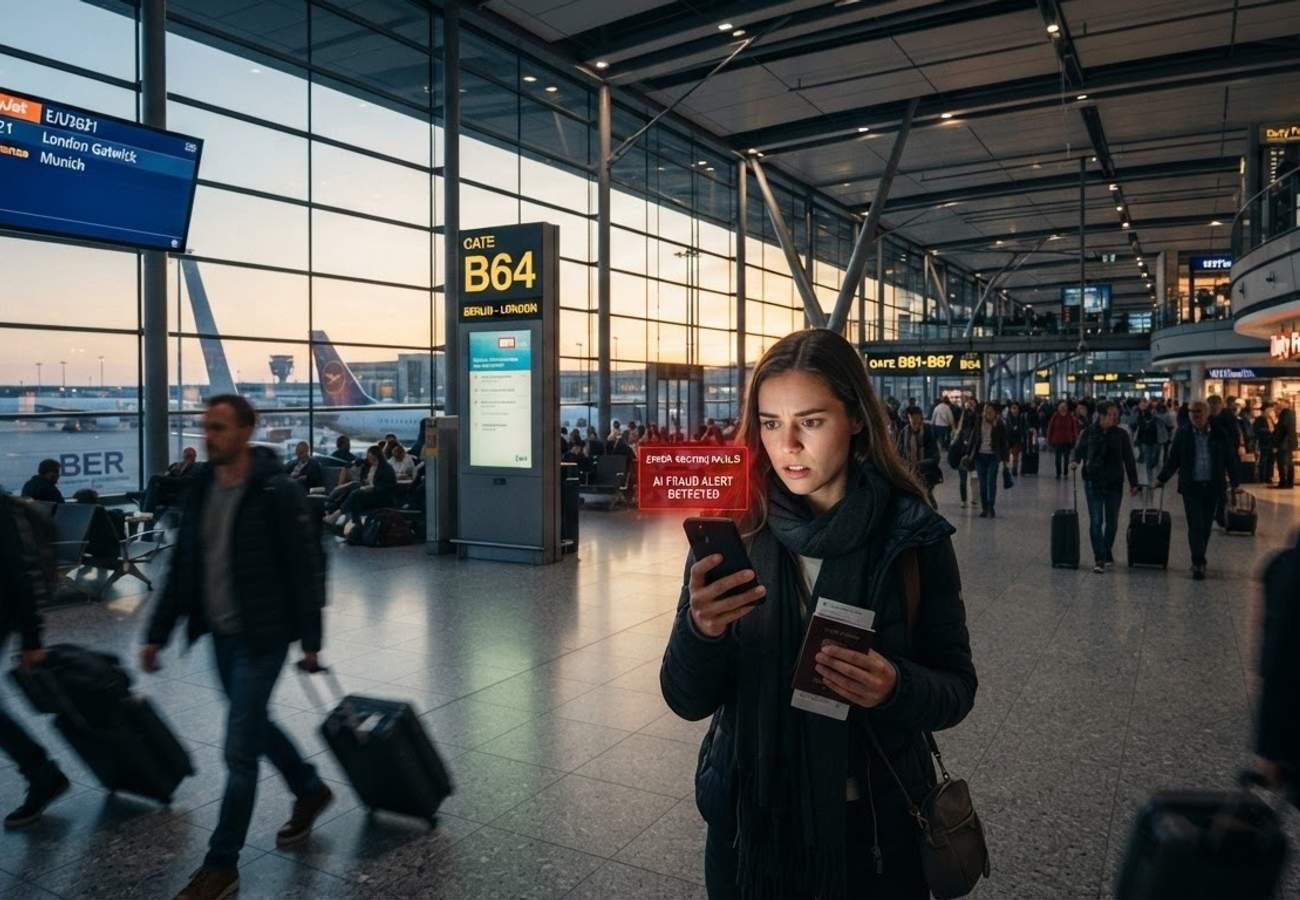
Geopolitical Awareness in Travel Planning: Travel planners and industry thought leaders should incorporate geopolitical risk assessments into travel itineraries. This includes advising clients on potential disruptions and suggesting alternative destinations or travel dates to mitigate risks.
Contextual Insights:
The recent attacks on the UAE highlight the volatile geopolitical landscape in the Middle East, which has significant implications for the travel industry. The UAE, traditionally marketed as a safe and tax-free haven, now faces heightened security risks due to the conflict with Iran. This situation underscores the importance of real-time risk assessment and adaptability in travel planning. As geopolitical tensions continue to evolve, the travel industry must remain vigilant and proactive in providing safe and informed travel options. The incident also emphasizes the need for travel startups and fintech solutions to offer enhanced security features and risk management tools to support travelers and businesses navigating these uncertain times.
Read the Complete Article.
Experience the magic of the Nile aboard Kenzy Dahabeya, a luxury boutique sailing cruise that offers an unforgettable journey between...
Read moreDetails



