










Comprehensive Summarization:
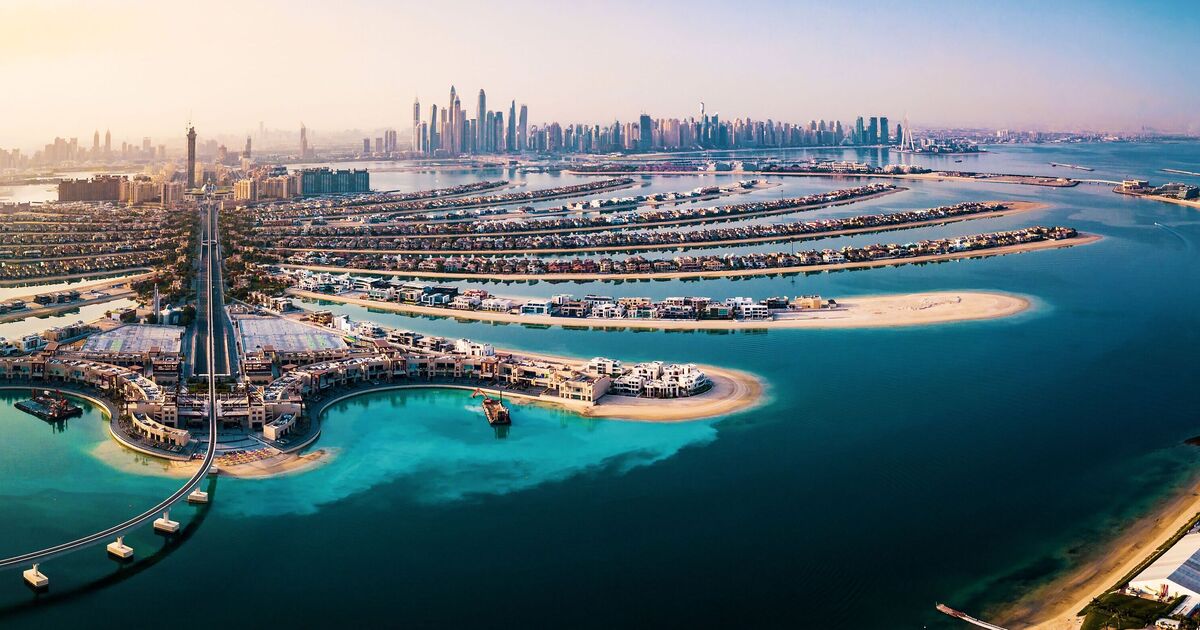
Dubai’s tourism industry is experiencing a significant downturn due to the ongoing war in Iran, leading to a dramatic decrease in visitor numbers. The UAE, which includes Dubai, is estimated to be losing up to £450 million daily as a result of this decline. The article highlights the impact of retaliatory attacks from Iran following the US and Israel’s military actions, which have deterred holidaymakers from visiting Dubai, a city known for its luxurious image. The focus is on the financial implications for Dubai’s tourism sector and the broader context of the travel industry’s response to geopolitical events.
Key Points:
- Dubai’s tourism industry is suffering a substantial loss due to the war in Iran, with estimates suggesting a daily loss of up to £450 million.
- The conflict has led to a significant drop in visitor numbers, impacting Dubai’s reputation as a luxurious and popular travel destination.
- The United Arab Emirates, as a whole, is experiencing the repercussions of retaliatory attacks from Iran, affecting its tourism sector.
- The article emphasizes the financial impact on Dubai’s tourism industry and the broader travel sector in the region.
Actionable Takeaways:
-
Diversification of Tourism Destinations: Given the significant loss in tourist numbers due to geopolitical tensions, travel companies and policymakers should explore diversifying tourism destinations to mitigate risks associated with political instability. This could involve marketing campaigns to highlight safe and attractive alternative destinations, potentially tapping into regions less affected by current conflicts.
-
Enhanced Security Measures: The article underscores the importance of robust security measures in travel destinations, especially in regions prone to geopolitical conflicts. Travel companies and governments should invest in advanced security technologies and protocols to reassure potential visitors and maintain the appeal of travel destinations.
-
Leveraging Digital Marketing: With the decline in physical tourism, there is an opportunity for travel companies to leverage digital marketing strategies to reach potential visitors. This includes targeted online advertising, virtual tours, and immersive content that showcases the unique offerings of Dubai and other destinations, thereby maintaining interest and bookings despite travel restrictions.
Contextual Insights:
The article’s context is deeply rooted in the current geopolitical climate, particularly the tensions between Iran, the US, and Israel. This situation has had a profound impact on Dubai’s tourism industry, which has traditionally benefited from its luxurious image and status as a global travel hub. The financial implications of this decline are substantial, affecting not just the tourism sector but also related industries such as hospitality, retail, and transportation.
In terms of industry trends, the article highlights the vulnerability of travel destinations to geopolitical events, a factor that underscores the need for resilience and adaptability in the travel sector. The emphasis on digital marketing and security measures reflects broader industry trends towards innovation and risk management. As geopolitical tensions continue to shape travel patterns, the travel industry must remain agile, investing in technologies and strategies that can mitigate risks and capitalize on changing consumer behaviors.
Overall, the article provides a clear picture of the challenges faced by Dubai’s tourism industry in the wake of the Iran war, while also offering insights into potential strategies for navigating these challenges. The actionable takeaways are directly informed by the facts and context provided, ensuring relevance and applicability to the current state of the travel industry.
Read the Complete Article.






