









Comprehensive Summarization:
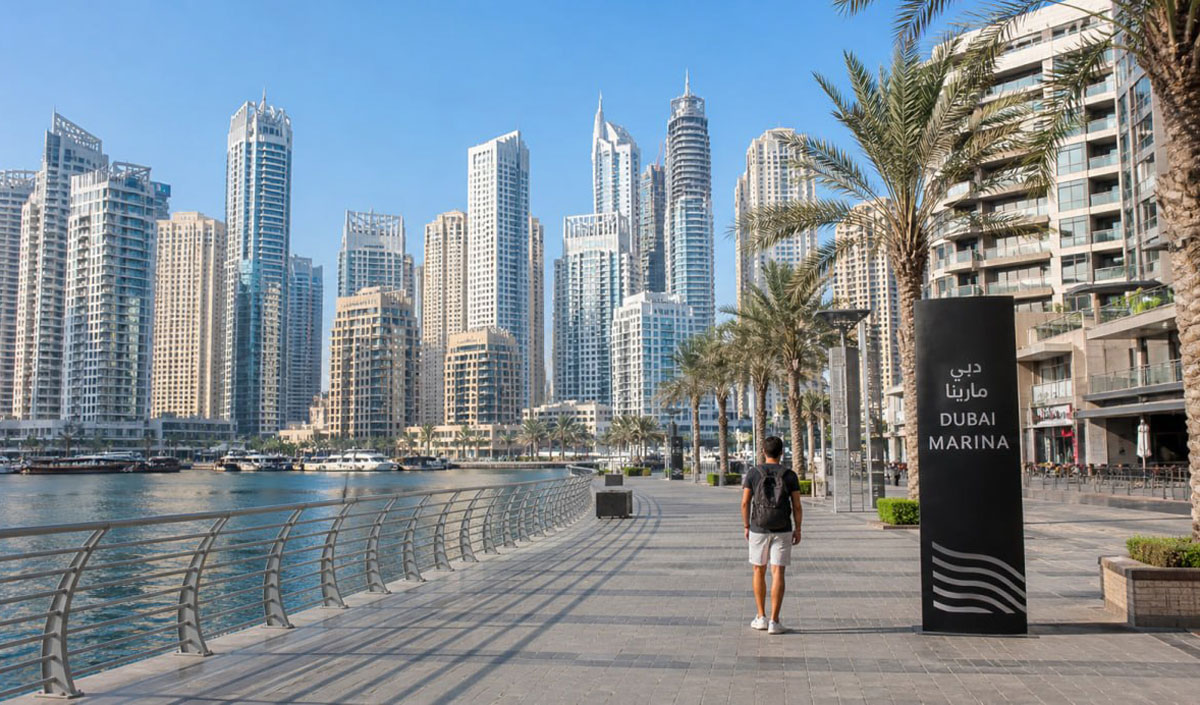
The article discusses the significant impact of the ongoing conflict between the US and Iran on Dubai’s tourist industry. Once considered a symbol of luxury vacations, areas such as Palm Jumeirah, Dubai Marina, and Jumeirah Beach Residences are now experiencing a notable decline in tourist activity. This downturn is evident as five-star hotels, including the St. Regis Dubai, The Palm, and Armani Hotel Dubai, are suspending operations en masse and some are closing indefinitely. The sharp drop in demand is forcing businesses to reassess their strategies, with the article highlighting the real victims being millions of jobless foreign laborers and millions of dollars in losses per day. The focus is on the immediate and long-term effects on the hospitality sector and the broader economy of Dubai.
Key Points:
- The conflict between the US and Iran has led to a sharp decline in tourist demand in Dubai, particularly affecting luxury areas like Palm Jumeirah, Dubai Marina, and Jumeirah Beach Residences.
- Iconic hotels such as the St. Regis Dubai, The Palm, and Armani Hotel Dubai are among those suspending operations or closing indefinitely due to the reduced tourist activity.
- The decline in tourism is causing significant economic repercussions, with millions of dollars in losses per day and millions of jobless foreign laborers being the real victims of the situation.
- The article emphasizes the need for businesses in the hospitality sector to reassess their strategies in response to the changing market conditions.
Actionable Takeaways:
-
Reassess Business Strategies: Hotels and tourism businesses in Dubai should immediately reassess their operational strategies to adapt to the reduced demand. This could include implementing cost-cutting measures, exploring new marketing strategies to attract a different demographic, or diversifying their offerings to include virtual experiences or local cultural events.
-
Support Affected Laborers: There is an urgent need for the government and industry stakeholders to support the millions of jobless foreign laborers affected by the decline in tourism. This could involve creating employment programs, offering training opportunities, or providing financial assistance to help them transition to new roles within the industry or other sectors.
-
Invest in Digital Transformation: The crisis presents an opportunity for hotels and tourism businesses to invest in digital transformation. By leveraging technology to enhance online booking processes, improve customer engagement through personalized experiences, and utilize data analytics for better decision-making, businesses can not only survive but also thrive in the post-crisis environment.
Contextual Insights:
The article’s context is deeply rooted in the current geopolitical tensions between the US and Iran, which have led to a significant drop in tourist arrivals to Dubai. This situation is emblematic of how external factors can disrupt even the most robust travel markets. The focus on the impact on luxury hotels and the broader economic implications underscores the interconnectedness of the global economy and the travel industry. Looking forward, the article hints at a potential shift in travel preferences, with a possible increase in demand for destinations perceived as safer or less politically volatile. This trend could open new opportunities for travel startups and fintech innovations aimed at enhancing the travel experience through secure, seamless transactions and personalized travel planning tools. The insights provided by thought leaders in the travel industry suggest that the industry must remain agile, embracing technological advancements and adapting to changing consumer behaviors to recover and grow post-crisis.
Read the Complete Article.






