











Sail Through Time: Discover the Timeless Wonders of Upper Egypt Aboard Kenzy Dahabeya
Experience the magic of the Nile aboard Kenzy Dahabeya, a luxury boutique sailing cruise that offers an unforgettable journey between...
Read moreDetails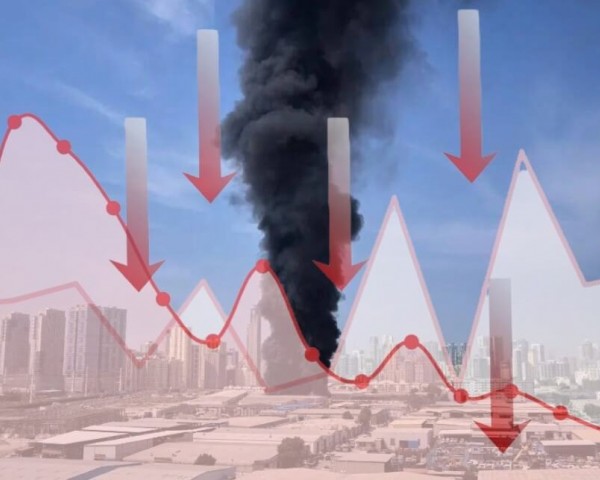
Dubai Tourism Loses Foreign Visitors and Gains Locals
Comprehensive Summarization:
The article discusses a significant impact on Dubai’s travel sector due to heightened hostilities during the 2026 Iran crisis. The surge in tensions has led to increased missile alerts, drone activity, and shifting global tensions, causing a noticeable decline in tourist arrivals. Despite ongoing flights, traveler confidence has waned as the region’s instability casts a shadow over Dubai’s once bustling skies and visitor numbers. The article underscores the vulnerability of travel destinations to geopolitical events and the subsequent effect on the travel industry’s confidence and operations.
Key Points:
Actionable Takeaways:
Diversify Travel Destinations: Given the vulnerability of travel destinations to geopolitical events, travel companies should consider diversifying their destination portfolios to mitigate risks associated with regional instability. This strategy can help maintain steady tourist inflows and reduce dependency on single markets.
Enhance Cybersecurity Measures: The rise in drone activity and missile alerts underscores the importance of robust cybersecurity measures for travel companies. Investing in advanced surveillance and threat detection technologies can safeguard operations and enhance traveler safety, thereby restoring confidence in travel destinations.
Focus on Digital Transformation: The article highlights the impact of geopolitical tensions on travel confidence. Travel companies should leverage digital transformation to enhance customer engagement and provide transparent, real-time information to travelers. This includes offering flexible booking options, virtual tours, and digital safety advisories to mitigate concerns and attract cautious travelers.
Contextual Understanding:
The article’s context is deeply rooted in the current state of global geopolitics and its direct impact on the travel industry. Recent events, such as the Iran crisis, have demonstrated the fragility of travel sectors to regional conflicts. The surge in hostilities has not only affected tourist confidence but also highlighted the need for travel companies to adopt proactive risk management strategies. The integration of technological advancements, such as enhanced cybersecurity and digital transformation, is crucial for navigating these challenges. Thought leaders emphasize the importance of adaptability and resilience in travel planning, suggesting that destinations must evolve to withstand geopolitical uncertainties.
Handling Different Article Types:
The article falls under the category of a news brief, providing factual information about the impact of geopolitical tensions on Dubai’s travel sector. The structured output format ensures that the key points and actionable takeaways are clearly delineated, making it easy for professionals to digest and act upon the information. The context analysis aligns with the current industry trends, emphasizing the need for travel companies to be vigilant and adaptable in the face of geopolitical challenges.
Read the Complete Article.
Experience the magic of the Nile aboard Kenzy Dahabeya, a luxury boutique sailing cruise that offers an unforgettable journey between...
Read moreDetails



