












Article Summary:
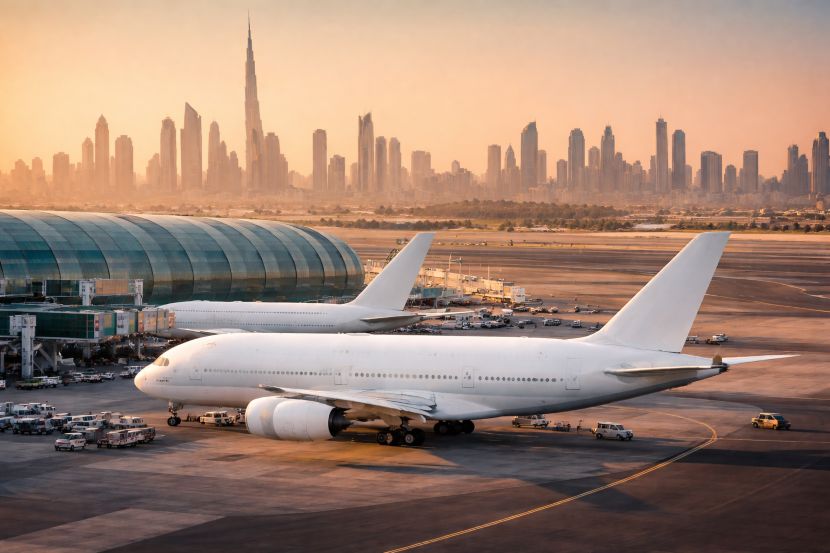
Dubai-based Emirates has successfully completed a significant transaction by acquiring four Airbus A380-861 aircraft from Amedeo Limited. This deal, concluding a 12-year investment lifecycle for the LSE-listed Fund DNA3, marks the end of a notable chapter in aviation asset management. The acquisition underscores Emirates’ commitment to expanding its fleet and enhancing its global travel services.
Key Points:
- Emirates has acquired four Airbus A380-861 aircraft from Amedeo Limited, concluding a 12-year investment period.
- The deal is part of a transaction spanning the third to the fourth quarter of 2025.
- This acquisition signifies the culmination of a significant chapter in aviation asset management for both Emirates and Fund DNA3.
Actionable Takeaways:
- Strategic Fleet Expansion: Emirates’ acquisition of four Airbus A380-861 aircraft demonstrates a strategic move to expand its fleet capacity, potentially enhancing its service offerings and market competitiveness. This move is particularly relevant in the context of the growing demand for premium travel experiences and the need for larger aircraft to accommodate high-demand routes.
- End of a Significant Investment Lifecycle: The completion of this transaction marks the end of a 12-year investment period for Fund DNA3. This signals a strategic shift or the realization of a long-term investment goal, potentially influencing future investment strategies within the aviation sector. It highlights the importance of long-term planning and commitment in asset management within the travel industry.
- Alignment with Industry Trends: The acquisition reflects broader industry trends towards fleet modernization and expansion, especially in regions like Dubai, which are key hubs for global travel. This trend is likely to continue as airlines seek to enhance their service offerings and maintain competitive advantage in a rapidly evolving market.
Contextual Insights:
The acquisition of four Airbus A380-861 aircraft by Emirates is deeply rooted in the current trends of fleet modernization and expansion within the aviation industry. Dubai, as a major travel hub, continues to attract significant investments in aviation infrastructure and fleet upgrades. This aligns with the broader industry shift towards larger, more efficient aircraft to meet the increasing demand for premium travel experiences. Furthermore, the transaction reflects the strategic importance of fleet management in maintaining competitive edge and operational efficiency in the travel sector. As airlines continue to navigate the challenges of the post-pandemic travel landscape, such strategic investments will play a crucial role in shaping future travel trends and innovations.
Read the Complete Article.



