












Comprehensive Summarization:
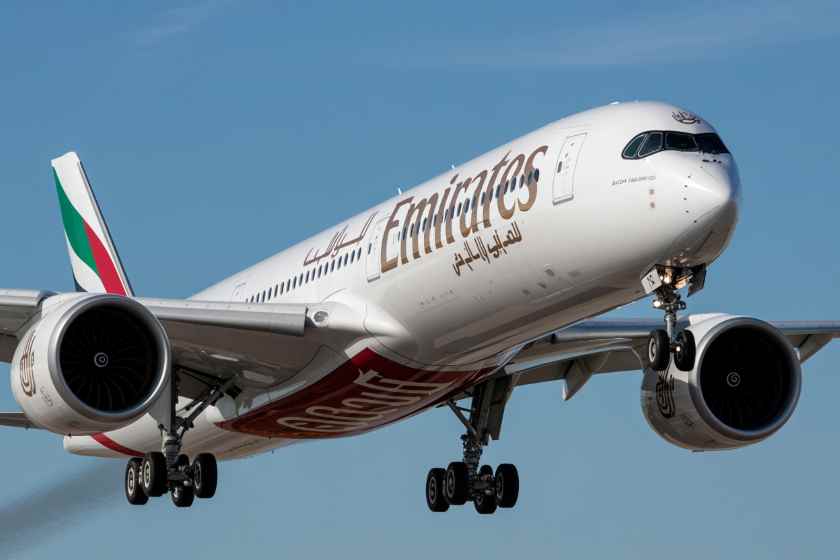
Emirates has announced the introduction of daily nonstop service between Dubai and Helsinki, commencing October 1, 2026. This route will be operated using an Airbus A350 aircraft and will offer three cabin classes: business, premium economy, and economy. This development marks a significant expansion of Emirates’ European network and intensifies competition with Finnair in the Nordic market. The move underscores Emirates’ strategic positioning in the long-haul travel sector and reflects the airline’s commitment to enhancing connectivity and service quality for global travelers.
Key Points:
- Emirates will introduce daily nonstop flights between Dubai and Helsinki starting October 1, 2026.
- The route will be operated using an Airbus A350 aircraft, featuring three cabin classes: business, premium economy, and economy.
- This service expansion is part of Emirates’ strategy to strengthen its presence in the European market, particularly in the Nordic region.
- The introduction of this route directly competes with Finnair’s existing services in the Nordic market.
Actionable Takeaways:
-
Market Expansion Opportunity: Emirates’ new route between Dubai and Helsinki presents a significant opportunity for airlines and travel agencies to explore partnerships or collaborations in the Nordic market. This could involve joint marketing campaigns, shared loyalty programs, or co-branded services to attract travelers from Dubai to Helsinki.
-
Technological Advancements in Air Travel: The use of an Airbus A350 for this route highlights the ongoing trend of airlines investing in modern, fuel-efficient aircraft to enhance passenger experience and operational efficiency. Airlines should consider upgrading their fleets with similar aircraft to remain competitive and meet passenger expectations for comfort and sustainability.
-
Competitive Dynamics in the Nordic Market: The entry of Emirates into the Helsinki market intensifies competition with established carriers like Finnair. Airlines operating in this region should focus on differentiating their services through unique offerings, superior customer service, or strategic partnerships to capture market share. This could include enhancing onboard experiences, offering tailored travel packages, or leveraging digital platforms for seamless booking and service delivery.
Contextual Understanding:
The introduction of daily nonstop flights between Dubai and Helsinki is a strategic move by Emirates to reinforce its position in the European market, particularly in the Nordic region. This development aligns with broader industry trends towards expanding long-haul routes and enhancing connectivity between major global hubs and European destinations. The use of the Airbus A350, known for its fuel efficiency and passenger comfort, reflects the industry’s shift towards sustainable and high-quality air travel solutions.
In the context of current travel trends, the focus on expanding European networks and enhancing service offerings is indicative of the industry’s response to growing demand for seamless, high-quality travel experiences. The competition with Finnair underscores the importance of innovation and differentiation in attracting and retaining passengers. As the travel industry continues to evolve, airlines must leverage technological advancements and strategic partnerships to stay ahead in a competitive landscape.
Handling Different Article Types:
The article in question is a news blurb, providing factual information about Emirates’ new flight route. For such articles, the summary and key points focus on factual accuracy and relevance to the travel industry. Actionable takeaways are derived from the strategic implications of the route expansion, emphasizing market opportunities, technological advancements, and competitive dynamics. This structured approach ensures that the output is concise, informative, and directly applicable to professionals in the travel sector.
Read the Complete Article.



