





Sail Through Time: Discover the Timeless Wonders of Upper Egypt Aboard Kenzy Dahabeya
Experience the magic of the Nile aboard Kenzy Dahabeya, a luxury boutique sailing cruise that offers an unforgettable journey between...
Read moreDetails
Comprehensive Summarization:
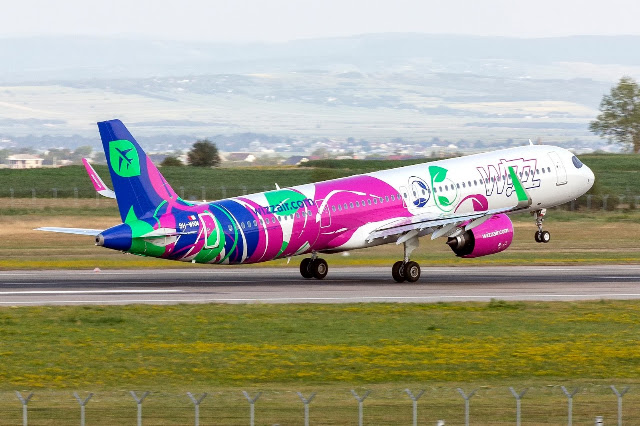
The article reports on a significant disruption in the travel industry, specifically affecting Emirates, Flydubai, and Air Arabia. These airlines have canceled over a dozen flights across Dubai, Abu Dhabi, and Sharjah, impacting routes to several international destinations including Bahrain, Istanbul, Karachi, Islamabad, Kathmandu, and more. This cancellation has left numerous passengers stranded, highlighting the ripple effects of operational disruptions in the travel sector. The article serves as a timely update for professionals in the travel and tourism industry, emphasizing the importance of operational resilience and contingency planning in the face of unforeseen challenges.
Key Points:
Actionable Takeaways:
Implement Robust Contingency Plans: Airlines and travel agencies should develop and regularly update contingency plans to swiftly manage operational disruptions. This includes having alternative flight schedules, rebooking options, and clear communication strategies to minimize passenger inconvenience.
Enhance Communication with Passengers: Effective communication is crucial during disruptions. Airlines should proactively inform passengers about cancellations, provide clear rebooking options, and offer support services such as accommodation and transportation assistance to stranded travelers.
Invest in Technology for Real-Time Tracking: Leveraging technology to offer real-time flight tracking and updates can significantly enhance the passenger experience. This includes mobile apps that provide instant notifications about flight status changes, helping travelers make informed decisions and reducing anxiety associated with disruptions.
Contextual Insights:
The recent cancellations by Emirates, Flydubai, and Air Arabia are indicative of broader challenges faced by the travel industry, particularly in regions with high connectivity like the Middle East. The incident underscores the importance of operational resilience and the need for airlines to adapt quickly to unforeseen challenges. In the current travel landscape, characterized by increasing competition and technological advancements, airlines must prioritize innovation in customer service and operational efficiency. The integration of advanced technologies such as AI-driven customer support and real-time data analytics can enhance operational transparency and passenger satisfaction. Furthermore, the incident highlights the critical role of fintech solutions in managing travel disruptions, such as automated rebooking systems and streamlined compensation processes for affected passengers. As the industry evolves, staying ahead of these trends will be essential for maintaining competitiveness and ensuring customer loyalty.
Read the Complete Article.
Experience the magic of the Nile aboard Kenzy Dahabeya, a luxury boutique sailing cruise that offers an unforgettable journey between...
Read moreDetails



