










Sail Through Time: Discover the Timeless Wonders of Upper Egypt Aboard Kenzy Dahabeya
Experience the magic of the Nile aboard Kenzy Dahabeya, a luxury boutique sailing cruise that offers an unforgettable journey between...
Read moreDetails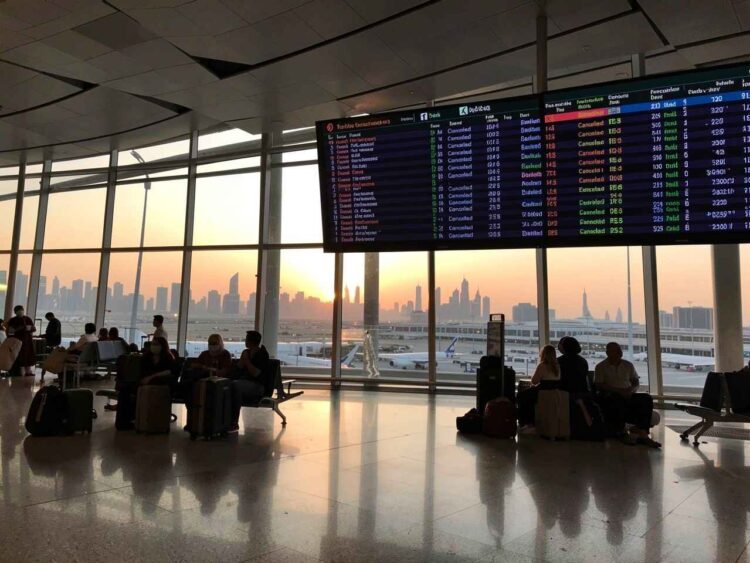
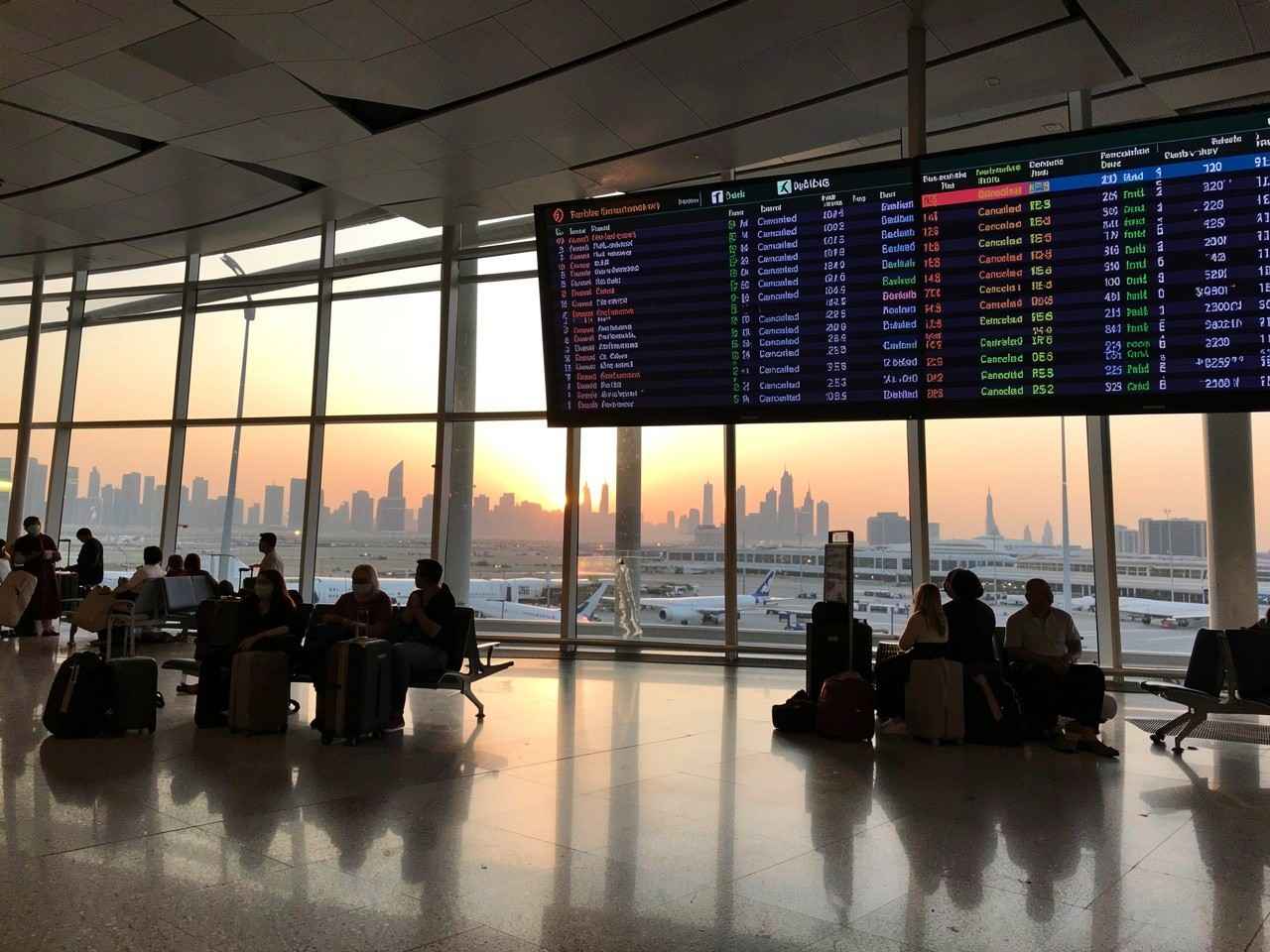
Emirates, Qatar Airways, Etihad & British Airways Cancel Thousands of Flights as UAE, Qatar, India a...
Comprehensive Summarization:
The article reports that Emirates, Qatar Airways, Etihad, and British Airways have been compelled to cancel thousands of flights due to the escalating conflict in the Middle East, which has tightened airspace restrictions. This disruption is causing significant travel chaos for millions of passengers across the UAE, Qatar, India, and the UK. The conflict is tightening airspace, leading to widespread flight cancellations and impacting travel plans globally. The article highlights the immediate impact on Dubai’s luxury resorts and Doha’s hospitality sector, indicating a potential ripple effect on the luxury travel market in these regions.
Key Points:
Actionable Takeaways:
Flight Cancellation Impact on Luxury Travel: The cancellation of thousands of flights by major airlines like Emirates, Qatar Airways, Etihad, and British Airways is likely to have a significant impact on luxury travel markets in Dubai and Doha. Luxury resorts and hospitality sectors in these regions may experience a decline in bookings and revenue. Travel agencies and luxury accommodation providers should prepare contingency plans, such as offering flexible booking options or discounts to attract travelers who might be reconsidering their trips.
Market Adjustment and Diversification: The disruption highlights the vulnerability of the luxury travel market to geopolitical tensions. Companies in this sector should consider diversifying their markets and destinations to mitigate risks associated with geopolitical instability. Investing in digital platforms for seamless travel planning and booking could also help maintain customer engagement and loyalty during such disruptions.
Contextual Insights:
The article reflects the current state of the travel industry under the shadow of geopolitical tensions. The Middle East has been a hotspot for conflicts, and the escalation of tensions has led to severe disruptions in travel logistics. This situation underscores the importance of real-time monitoring of global events and their potential impact on travel operations. The luxury travel sector, in particular, is sensitive to such disruptions, as it often involves high-value bookings and personalized services. Experts suggest that the industry must adapt quickly to changes in travel demand and preferences, leveraging technology to enhance customer experience and operational resilience. The focus on digital transformation and flexible booking options is becoming increasingly crucial for travel companies to navigate through such crises effectively.
Read the Complete Article.
Experience the magic of the Nile aboard Kenzy Dahabeya, a luxury boutique sailing cruise that offers an unforgettable journey between...
Read moreDetails



