











Sail Through Time: Discover the Timeless Wonders of Upper Egypt Aboard Kenzy Dahabeya
Experience the magic of the Nile aboard Kenzy Dahabeya, a luxury boutique sailing cruise that offers an unforgettable journey between...
Read moreDetails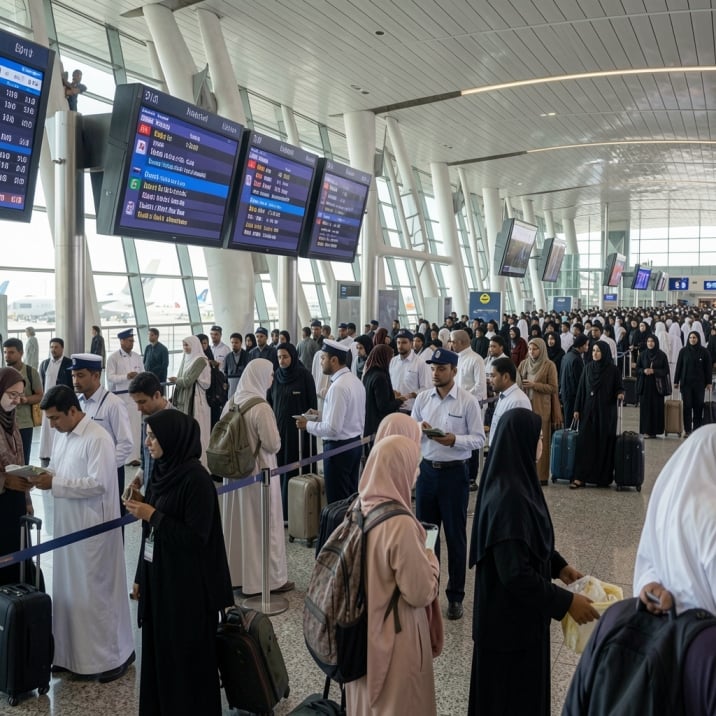
Hundreds of Travellers Stranded in UAE as Airports of Dubai, Abu Dhabi and Sharjah Continue to Face ...
Comprehensive Summarization:
The article reports on significant travel disruptions across major airports in the UAE, including Dubai International, Zayed International, and Sharjah airports. These disruptions are primarily caused by cancellations and delays involving Gulf Air, Saudia, Qatar Airways, and other airlines. As a result, hundreds of passengers have been stranded, highlighting the challenges faced by the travel industry in maintaining operational efficiency during such crises. The article underscores the importance of robust travel tech solutions and agile responses from airlines to mitigate such disruptions.
Key Points:
Actionable Takeaways:
Invest in Advanced Travel Tech Solutions: Airlines and airports should invest in advanced travel technology to enhance operational efficiency and passenger experience during disruptions. This includes real-time flight tracking, automated communication systems, and predictive analytics to anticipate and mitigate potential issues.
Enhance Communication Protocols: Airlines should improve their communication protocols to keep passengers informed about cancellations and delays promptly. This can help manage passenger expectations and reduce the impact of disruptions on travel plans.
Focus on Resilience and Agility: The travel industry must prioritize resilience and agility in its operations. This involves developing contingency plans, training staff to handle disruptions effectively, and leveraging technology to ensure seamless operations even under adverse conditions.
Contextual Insights:
The recent travel disruptions in the UAE highlight the vulnerabilities within the travel industry, particularly in terms of operational reliability and passenger communication. These disruptions are not isolated incidents but part of a broader trend of increasing volatility in global travel due to various factors such as geopolitical tensions, weather conditions, and health crises. The article underscores the need for the industry to adopt innovative travel tech solutions that can provide real-time updates, streamline operations, and enhance passenger experience during crises.
Moreover, the article reflects the growing importance of fintech innovations in the travel sector. As airlines and airports face financial pressures due to disruptions, there is an opportunity for fintech solutions to offer more flexible payment options, travel insurance, and compensation mechanisms. This could help airlines manage financial risks more effectively and provide passengers with better recourse in case of cancellations or delays.
In conclusion, while the article presents a challenging scenario for the travel industry in the UAE, it also presents opportunities for innovation and improvement. By leveraging advanced travel technology, enhancing communication, and embracing fintech solutions, the industry can mitigate the impact of disruptions and build a more resilient future.
Read the Complete Article.
Experience the magic of the Nile aboard Kenzy Dahabeya, a luxury boutique sailing cruise that offers an unforgettable journey between...
Read moreDetails



