











Sail Through Time: Discover the Timeless Wonders of Upper Egypt Aboard Kenzy Dahabeya
Experience the magic of the Nile aboard Kenzy Dahabeya, a luxury boutique sailing cruise that offers an unforgettable journey between...
Read moreDetails
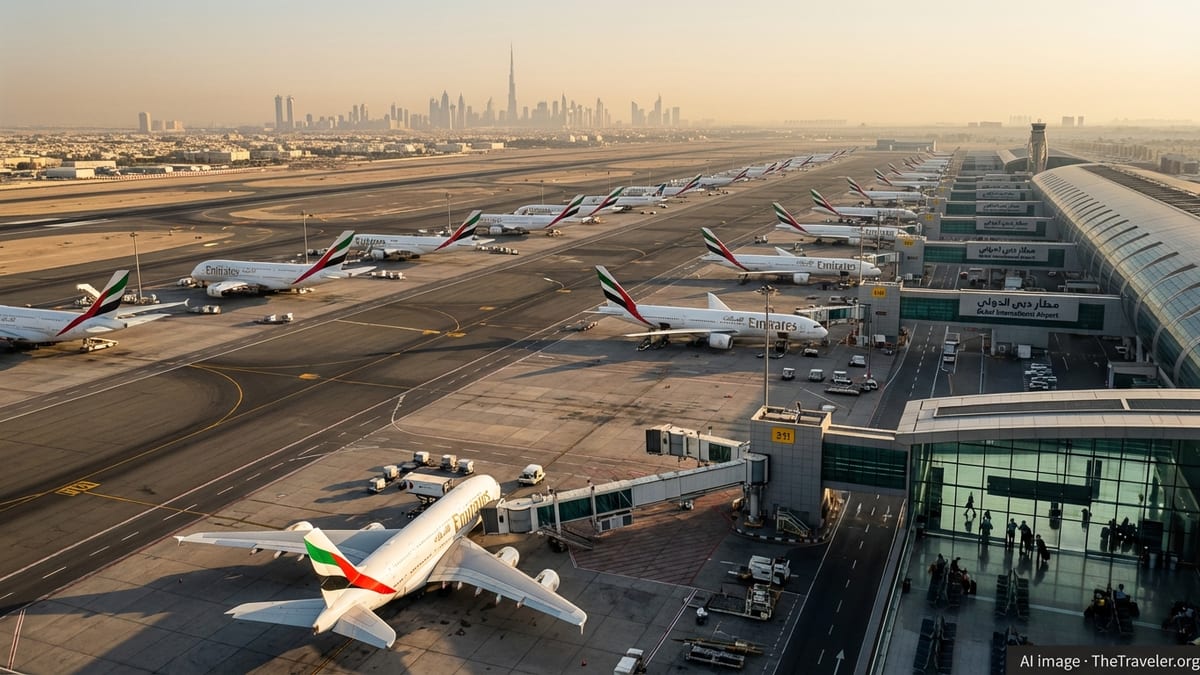
Iran Conflict Triggers Flight Chaos Across UAE and Qatar
Comprehensive Summarization:
The article reports on the significant impact of escalating hostilities involving Iran, the United States, and Israel, which have led to the closure of airspace across the Gulf region. This has resulted in airlines from the United Arab Emirates (UAE) and Qatar canceling or rerouting hundreds of flights, causing widespread disruption to travel plans globally. The Gulf mega-hubs, including those in the UAE, have been put on pause due to these airspace closures. The article emphasizes the immediate and severe disruption to travel and the challenges faced by airlines and passengers in the region.
Key Points:
Actionable Takeaways:
Flight Cancellation and Rerouting: Airlines in the UAE and Qatar are experiencing a significant increase in flight cancellations and rerouting. Travelers should monitor their flight statuses closely and consider alternative routes or modes of transportation to avoid disruptions.
Impact on Travel Planning: The airspace closures have caused widespread travel chaos, affecting both leisure and business travelers. Travel agencies and planners should advise clients to have flexible booking options and consider alternative destinations or dates to minimize travel disruptions.
Focus on Gulf Mega-Hubs: The article emphasizes the disruption to major Gulf airports, which are critical for international travel. Airlines and airports in the region should prioritize communication with passengers and implement contingency plans to manage the increased operational challenges.
Contextual Insights:
The escalation of hostilities between Iran, the United States, and Israel has had a profound impact on the travel industry, particularly in the Gulf region. The rapid closure of airspace has led to widespread cancellations and rerouting of flights, causing significant disruptions for travelers. This situation underscores the vulnerability of the travel industry to geopolitical tensions and the importance of robust contingency planning. Looking forward, the travel industry must remain vigilant and adaptable to such crises, leveraging technology and strategic partnerships to mitigate risks and ensure continuity of service. The current context highlights the need for travel startups and fintech innovations to provide flexible booking options and seamless travel solutions, thereby supporting travelers in navigating through turbulent times.
Read the Complete Article.
Experience the magic of the Nile aboard Kenzy Dahabeya, a luxury boutique sailing cruise that offers an unforgettable journey between...
Read moreDetails



