










Sail Through Time: Discover the Timeless Wonders of Upper Egypt Aboard Kenzy Dahabeya
Experience the magic of the Nile aboard Kenzy Dahabeya, a luxury boutique sailing cruise that offers an unforgettable journey between...
Read moreDetails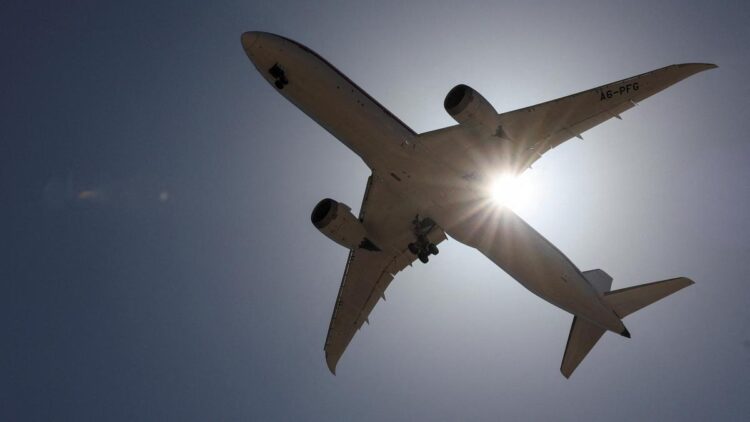
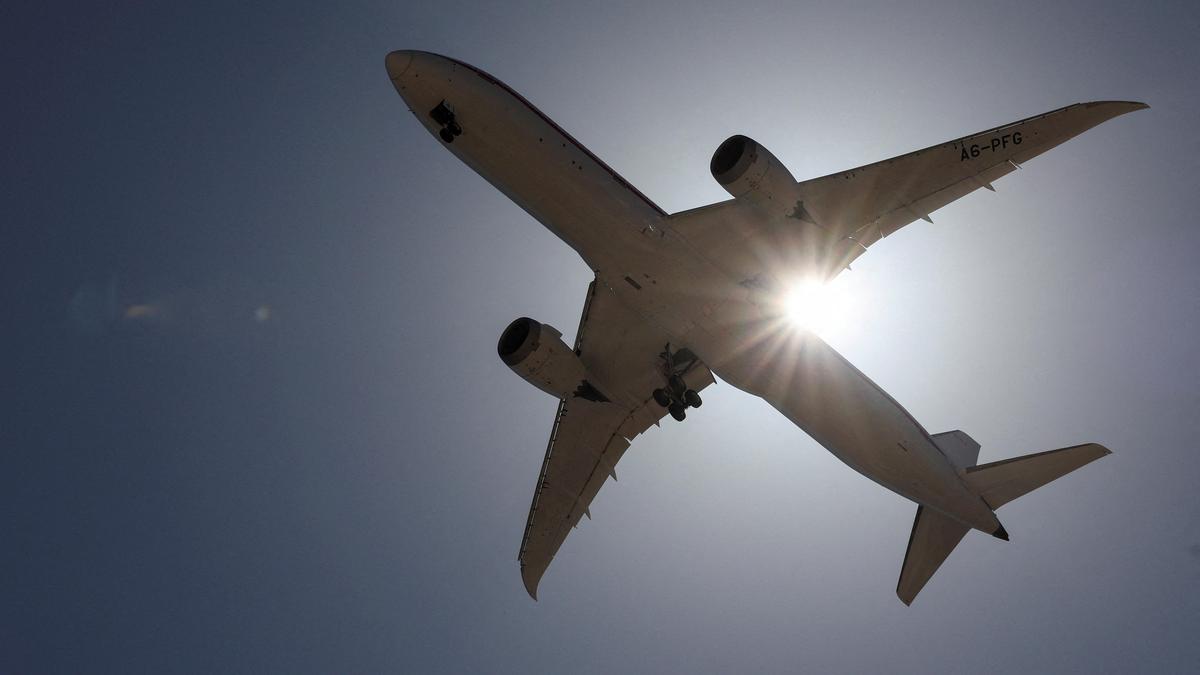
Iran-Israel Conflict: Limited flights from UAE begin as governments seek to extract citizens from We...
Comprehensive Summarization:
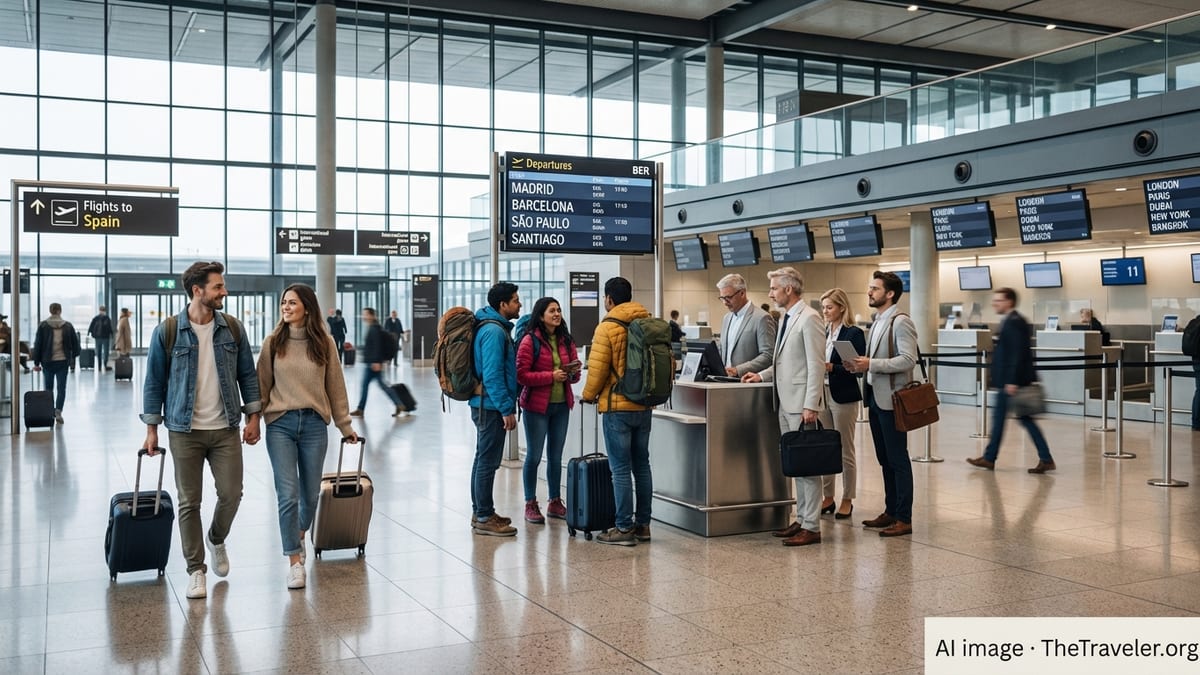
The article reports on the departure of travelers stranded by the escalating Iran-Israel conflict from the United Arab Emirates (UAE) via limited evacuation flights on March 3, 2026. Despite the suspension of most commercial air traffic in West Asia, these flights were initiated. The U.S. State Department advised citizens in 13 countries, including the UAE, Jordan, Saudi Arabia, Egypt, Lebanon, and Oman, to depart immediately due to safety concerns. The article underscores the ongoing geopolitical tensions in the region and their direct impact on travel and tourism, highlighting the challenges faced by the travel industry in such volatile environments.
Key Points:
Actionable Takeaways:
Enhanced Travel Advisory Systems: Implementing advanced travel advisory systems that can quickly assess and respond to geopolitical risks is crucial. This can help travelers make informed decisions and airlines adjust their operations proactively.
Diversification of Evacuation Routes: Travel companies should explore diversifying evacuation routes and modes of transport to mitigate risks associated with conflicts in specific regions. This could include establishing partnerships with airlines in other regions to ensure alternative evacuation options are available.
Investment in Travel Tech for Real-Time Risk Assessment: Investing in technology that provides real-time risk assessments and travel advisories can help both travelers and travel companies navigate uncertain geopolitical landscapes more effectively. This includes leveraging AI and machine learning to analyze global events and predict potential disruptions.
Contextual Insights:
The article reflects the current state of the travel industry under the shadow of geopolitical tensions. The suspension of commercial air traffic in West Asia underscores the vulnerability of the travel sector to conflicts and the need for robust contingency planning. The U.S. State Department’s advisory actions demonstrate the critical role of governments in safeguarding citizens’ safety during crises. Looking forward, the travel industry must increasingly rely on technology and strategic partnerships to adapt to such volatile environments. Innovations in travel tech, particularly in real-time risk assessment and evacuation planning, will be pivotal in maintaining the resilience of the industry amidst geopolitical uncertainties.
Read the Complete Article.
Experience the magic of the Nile aboard Kenzy Dahabeya, a luxury boutique sailing cruise that offers an unforgettable journey between...
Read moreDetails



