











Sail Through Time: Discover the Timeless Wonders of Upper Egypt Aboard Kenzy Dahabeya
Experience the magic of the Nile aboard Kenzy Dahabeya, a luxury boutique sailing cruise that offers an unforgettable journey between...
Read moreDetails
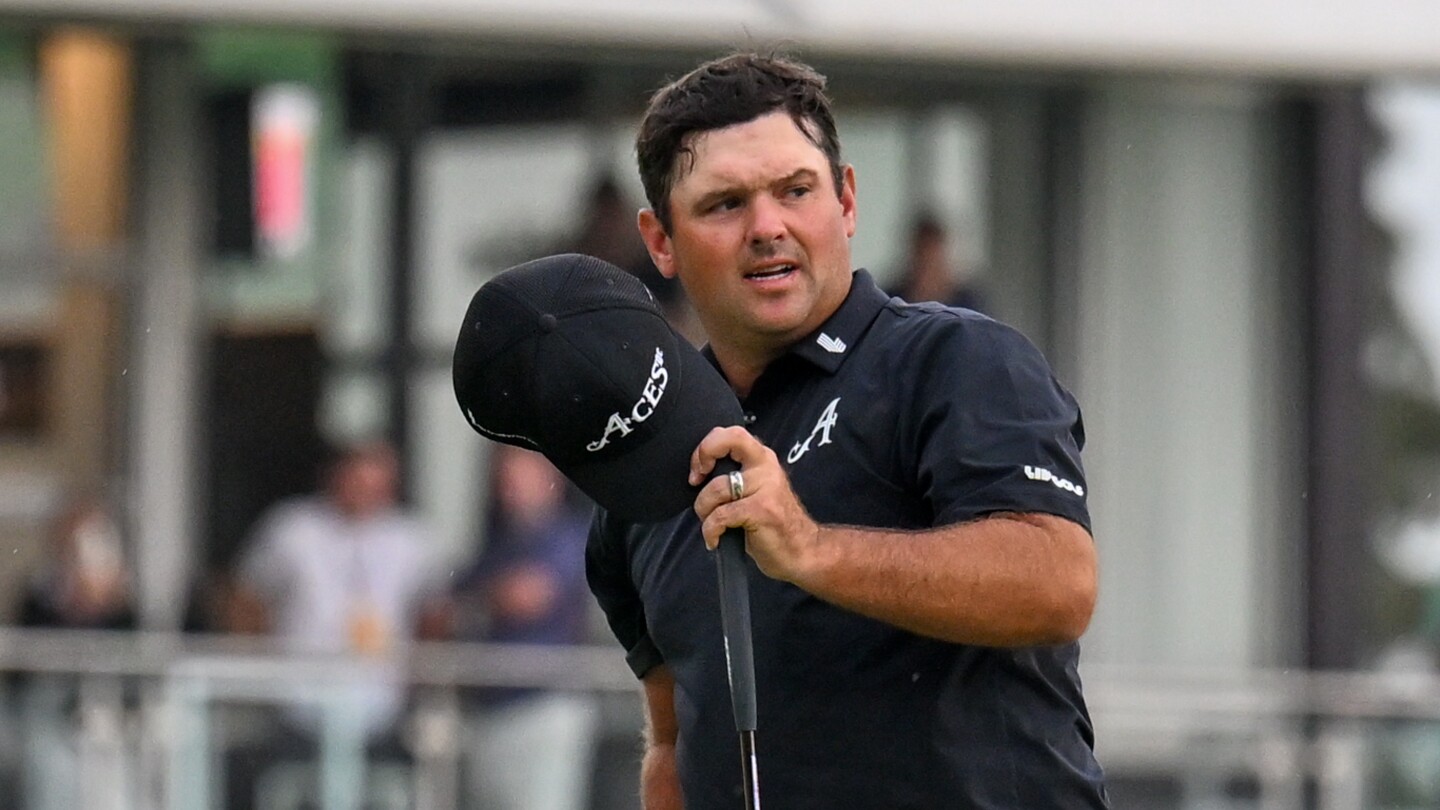
After Dubai win, Patrick Reed remains LIV free agent; does he see pathway back to PGA Tour?
Comprehensive Summarization:
Patrick Reed, a prominent golfer, has not yet formalized a new contract with LIV Golf following his victory at the Hero Dubai Desert Classic. Reed, who has been a member of LIV Golf’s 4Aces GC since June 2022, is currently a free agent with less than two weeks remaining until the 2026 season opener in Riyadh, Saudi Arabia. The article highlights Reed’s status with LIV Golf and the ongoing negotiations regarding his contract, emphasizing the dynamic nature of professional sports contracts and the evolving landscape of the LIV Golf circuit.
Key Points:
Actionable Takeaways:
Contextual Insights:
The article reflects the ongoing evolution of professional sports contracts, particularly in the context of high-stakes sports like golf. The involvement of Saudi-backed circuits like LIV Golf introduces a new dimension to player contracts, with implications for player autonomy, financial incentives, and the global reach of professional golf. This context is particularly relevant for travel industry stakeholders, as it underscores the importance of understanding the broader economic and contractual frameworks that influence the movement and career trajectories of top athletes. Furthermore, the article aligns with current travel tech trends by highlighting the increasing globalization of sports events and the need for robust contractual frameworks to manage the logistics and financial aspects of international travel for athletes. This forward-looking perspective emphasizes the need for travel and hospitality companies to adapt to the changing landscape of professional sports, ensuring they can effectively support and engage with athletes across different regions and circuits.
Read the Complete Article.
Experience the magic of the Nile aboard Kenzy Dahabeya, a luxury boutique sailing cruise that offers an unforgettable journey between...
Read moreDetails



