












Article Summary:
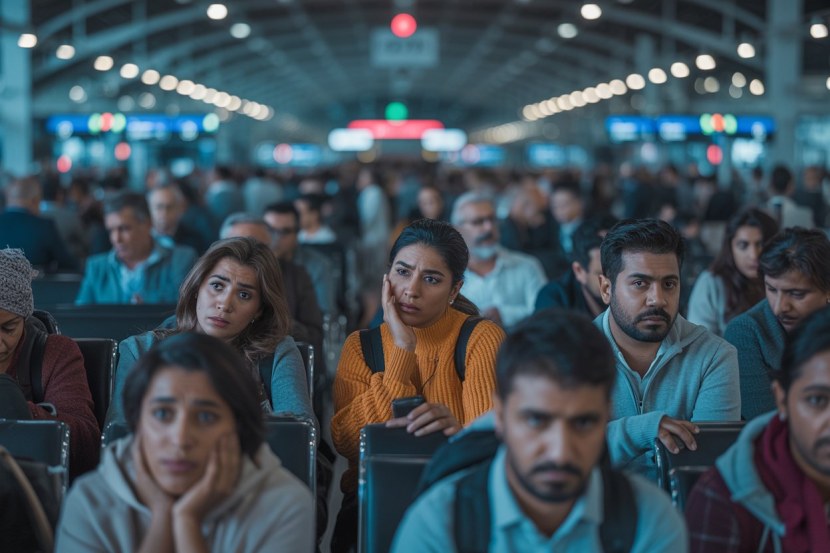
Saudi Arabia and the UAE experienced significant travel disruptions on December 30, 2025, with over 600 flight cancellations and delays reported across major airports in Dubai, Riyadh, Dammam, Doha, Kuwait City, and Muscat. The disruptions primarily affected airlines such as Emirates, FlyDubai, Saudia, and Flynas. The article highlights the operational challenges faced by the travel sector in the region, emphasizing the impact on both passengers and the broader travel industry.
Key Points:
- Flight Disruptions: Over 600 flight cancellations and delays were reported across multiple airports in the UAE and Saudi Arabia, affecting major hubs like Dubai International Airport (DXB) and King Khalid International Airport (RUH).
- Affected Airlines: The disruptions were particularly severe for airlines including Emirates, FlyDubai, Saudia, and Flynas, which operate extensively in the region.
- Geographical Impact: The disruptions were widespread, impacting airports in Dubai, Riyadh, Dammam, Doha, Kuwait City, and Muscat, indicating a broad operational challenge across the region.
- Operational Challenges: The article underscores the operational challenges faced by the travel sector, highlighting the need for improved resilience and contingency planning in the face of such disruptions.
Actionable Takeaways:
- Enhanced Operational Resilience: Travel companies should invest in advanced operational resilience strategies, including real-time monitoring systems and flexible scheduling, to mitigate the impact of future disruptions. This is crucial given the recent surge in flight cancellations and delays, which can severely affect passenger satisfaction and airline profitability.
- Strengthened Partnerships: Collaborations between airlines and airports can enhance communication and coordination during disruptions. By sharing real-time data and resources, airlines and airports can better manage passenger flow and minimize delays, improving overall travel experience and operational efficiency.
- Investment in Technology: The article suggests that investing in advanced technologies, such as AI-driven predictive analytics and automated customer support systems, can help airlines and airports manage disruptions more effectively. These technologies can provide real-time updates to passengers, streamline booking processes, and improve overall operational efficiency.
Contextual Insights:
The recent travel chaos in the UAE and Saudi Arabia reflects broader trends in the travel industry, where operational disruptions can have significant impacts on both airlines and passengers. The article highlights the importance of technological advancements and strategic partnerships in managing such challenges. As the travel industry continues to evolve, the integration of AI and machine learning for predictive analytics, coupled with enhanced collaboration between stakeholders, will be key to ensuring resilience and maintaining high service standards. These insights are particularly relevant for travel startups and fintech companies, as they explore innovative solutions to enhance operational efficiency and customer experience in the face of increasing uncertainties.
Read the Complete Article.



