









Sail Through Time: Discover the Timeless Wonders of Upper Egypt Aboard Kenzy Dahabeya
Experience the magic of the Nile aboard Kenzy Dahabeya, a luxury boutique sailing cruise that offers an unforgettable journey between...
Read moreDetails
Comprehensive Summarization:
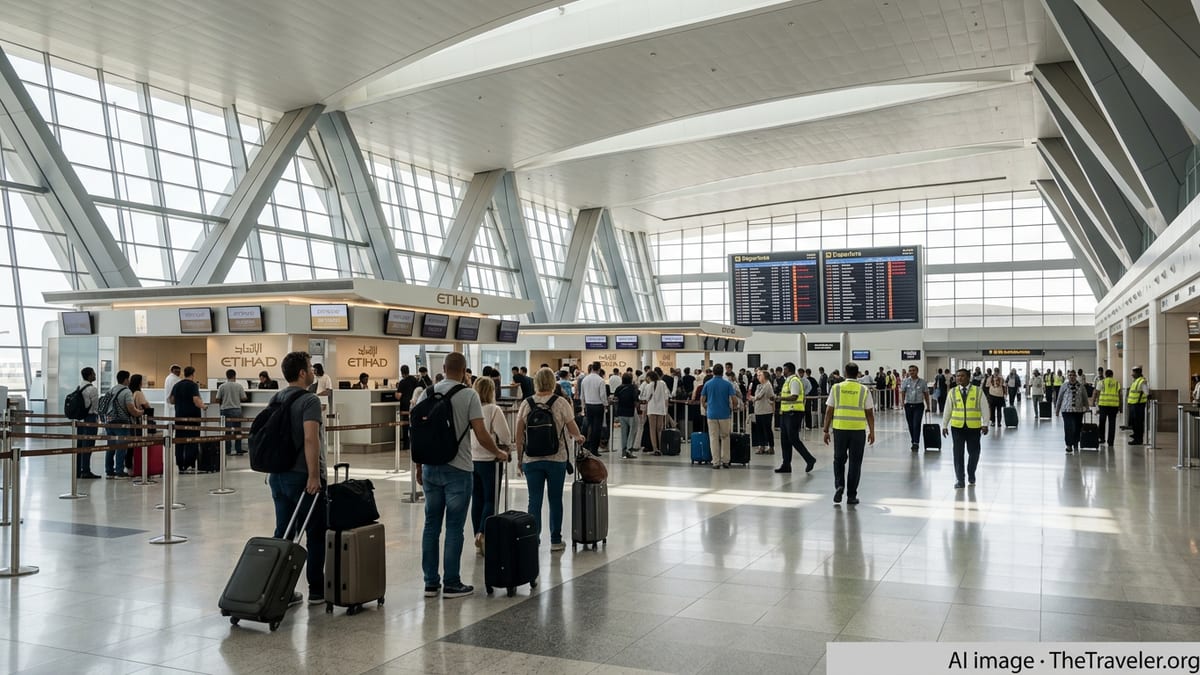
The article reports on a significant disruption at Abu Dhabi International Airport in the United Arab Emirates (UAE), where hundreds of travelers were stranded due to the cancellation of 262 flights and the delay of 36 others. This disruption affected major airlines including Etihad Airways, Qatar Airways, IndiGo, Saudia, and others, impacting routes across the Middle East and globally, including destinations in London and Cairo. The incident highlights the vulnerabilities in the travel sector, particularly in managing large-scale cancellations and delays, and underscores the interconnected nature of global air travel networks. The article also touches on broader travel and tourism trends, emphasizing the need for robust contingency plans and resilient travel infrastructure to mitigate such disruptions.
Key Points:
Actionable Takeaways:
Implement Robust Contingency Plans: Airlines and airports should develop and regularly update contingency plans to manage large-scale flight cancellations and delays effectively. This includes real-time communication with travelers, alternative routing options, and support services to minimize disruption.
Enhance Global Connectivity Monitoring: There is a need for enhanced monitoring and real-time tracking of global air travel networks to quickly identify and respond to disruptions. Utilizing advanced analytics and AI can help predict potential issues before they escalate, allowing for proactive measures.
Invest in Resilient Travel Infrastructure: The incident emphasizes the importance of investing in resilient travel infrastructure. This includes upgrading airport facilities to handle unexpected surges in stranded travelers, improving communication systems, and ensuring operational flexibility to adapt to unforeseen challenges.
Contextual Insights:
The disruption at Abu Dhabi International Airport is a stark reminder of the interconnected nature of global air travel and the potential vulnerabilities within the travel sector. Recent trends indicate an increasing reliance on technology to manage travel disruptions, with AI and machine learning playing pivotal roles in real-time decision-making and predictive analytics. Startups in the travel tech sector are increasingly focusing on developing solutions for seamless communication with travelers, alternative routing, and real-time updates during disruptions. This incident also highlights the importance of collaboration between airlines, airports, and regulatory bodies to ensure a coordinated response to large-scale disruptions. As the travel industry continues to evolve, the integration of advanced technologies and a focus on resilience will be crucial in maintaining operational efficiency and customer satisfaction.
Read the Complete Article.
Experience the magic of the Nile aboard Kenzy Dahabeya, a luxury boutique sailing cruise that offers an unforgettable journey between...
Read moreDetails



