



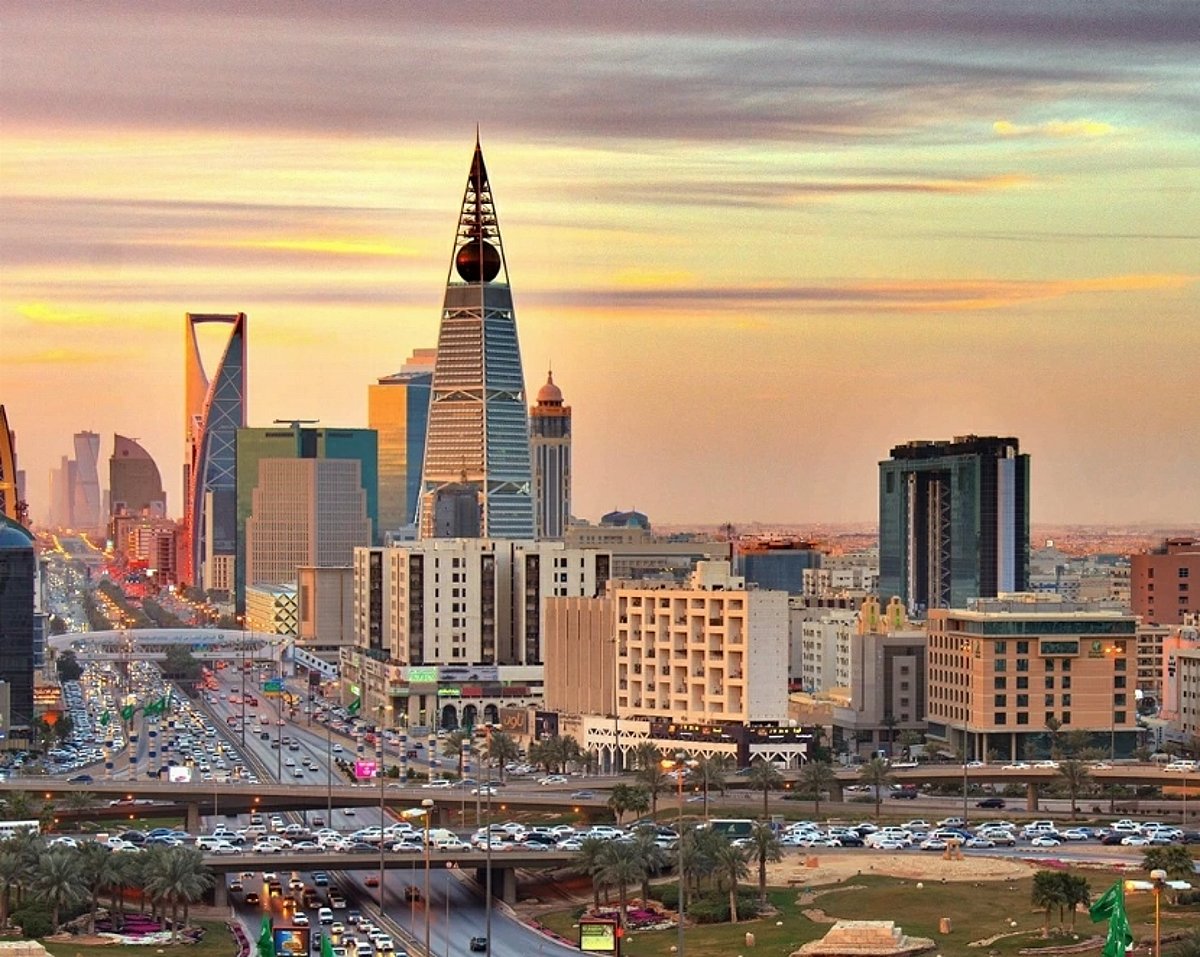


Sail Through Time: Discover the Timeless Wonders of Upper Egypt Aboard Kenzy Dahabeya
Experience the magic of the Nile aboard Kenzy Dahabeya, a luxury boutique sailing cruise that offers an unforgettable journey between...
Read moreDetails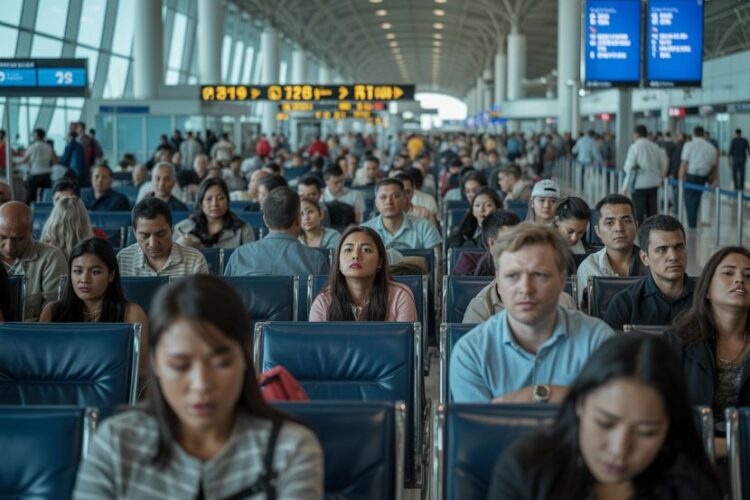
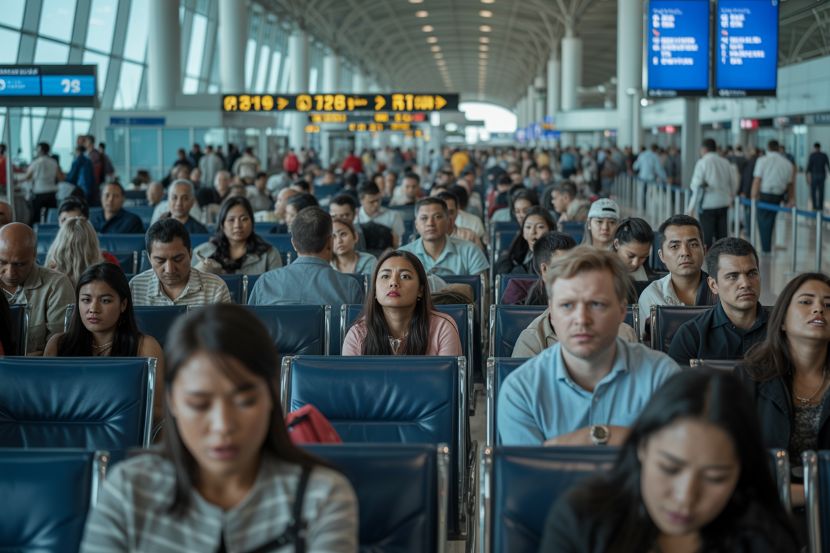
Thousands of Tourists Left Stranded at Velana International Airport in Maldives as Middle East Airsp...
Comprehensive Summarization:
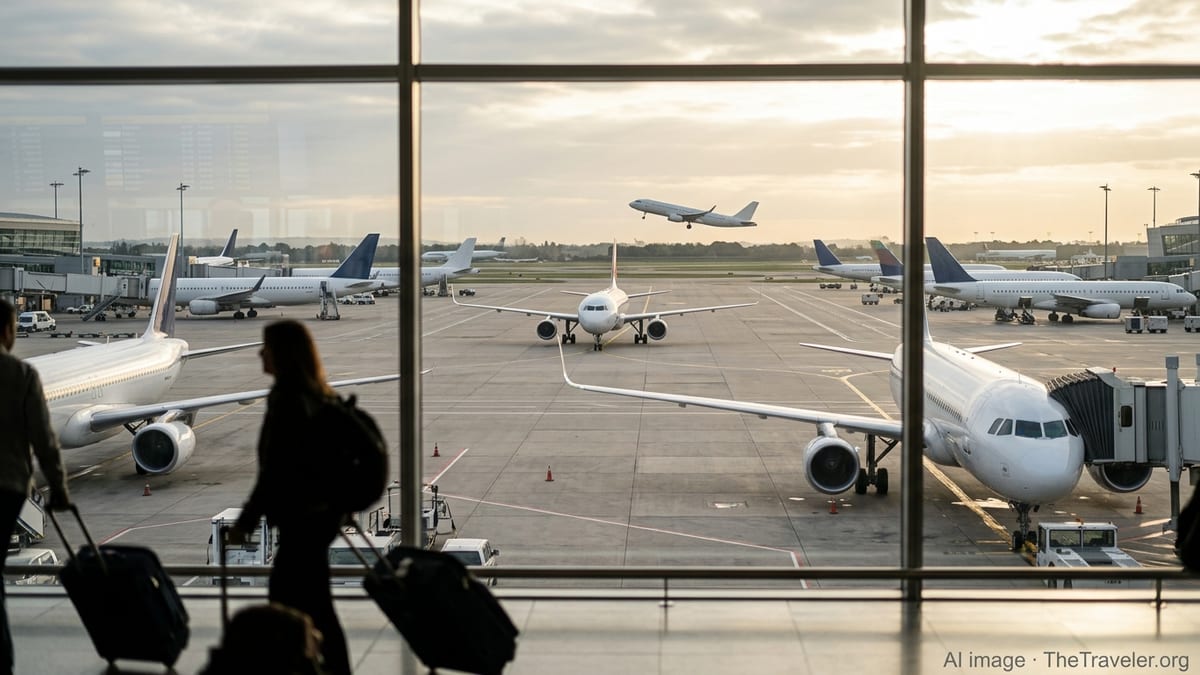
The article reports a significant disruption in the Maldives tourism sector, with over 2,000 tourists stranded at Velana International Airport due to airspace closures in the Middle East. This event has caused considerable travel chaos, particularly affecting flights from Dubai, Doha, and Abu Dhabi. The situation highlights the vulnerability of the tourism industry to external geopolitical factors and underscores the need for robust contingency plans in travel logistics. The article also touches on the broader implications for tourism in the region, emphasizing the importance of adaptability and resilience in the face of such disruptions.
Key Points:
Actionable Takeaways:
Implement Flexible Travel Policies: Travel companies should develop flexible policies that allow for easy rescheduling or cancellation of flights, minimizing financial losses during unexpected disruptions. This approach can help maintain customer trust and loyalty during turbulent times.
Enhance Communication Protocols: Establish clear and timely communication channels with travelers to keep them informed about any changes or cancellations. Proactive communication can reduce anxiety and improve the overall travel experience during disruptions.
Invest in Geopolitical Risk Management: Travel companies should invest in tools and strategies for monitoring geopolitical risks. This includes real-time tracking of airspace closures and other potential disruptions, enabling proactive adjustments to travel itineraries and reducing the impact of unforeseen events.
Contextual Insights:
The recent airspace closures in the Middle East have underscored the interconnectedness of global travel networks and the potential vulnerabilities within the tourism sector. This event is a stark reminder of how geopolitical tensions can quickly translate into travel disruptions, affecting millions of tourists worldwide. The situation in the Maldives is emblematic of a larger trend where external factors, such as political instability or conflict, can have cascading effects on the tourism industry.
In light of these developments, the travel industry must increasingly focus on resilience and adaptability. This includes leveraging technology to enhance operational flexibility, improving communication strategies to keep stakeholders informed, and investing in risk management frameworks that can anticipate and mitigate the impact of geopolitical disruptions. As the industry evolves, embracing innovative solutions and fostering a culture of preparedness will be crucial in navigating future challenges and maintaining the vitality of the tourism sector.
Read the Complete Article.
Experience the magic of the Nile aboard Kenzy Dahabeya, a luxury boutique sailing cruise that offers an unforgettable journey between...
Read moreDetails



