









Sail Through Time: Discover the Timeless Wonders of Upper Egypt Aboard Kenzy Dahabeya
Experience the magic of the Nile aboard Kenzy Dahabeya, a luxury boutique sailing cruise that offers an unforgettable journey between...
Read moreDetails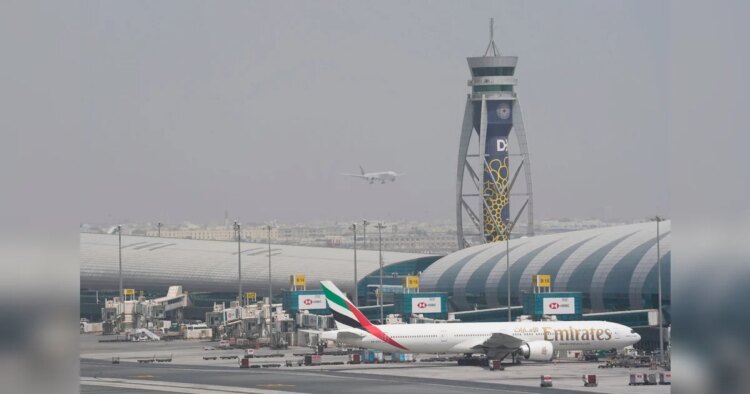
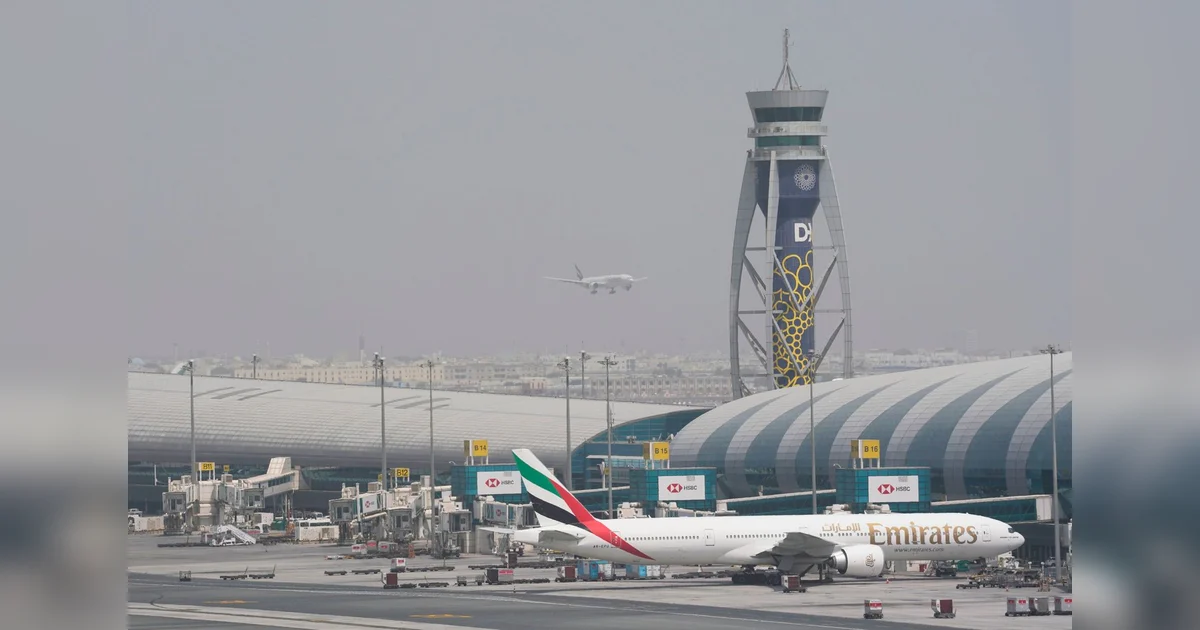
UAE airlines offer refunds, rebooking amid airspace closure
Comprehensive Summarization:
The article reports on the precautionary airspace closure by the General Civil Aviation Authority (GCAA) in the UAE following missile attacks from Iran. This closure has led major UAE carriers to issue refunds and provide rebooking options for passengers traveling through the UAE. Emirates and other airlines have been affected, causing some flights to be rerouted or cancelled. The article serves as a live update for readers interested in the latest developments in the region, particularly concerning travel disruptions and airline responses to geopolitical events.
Key Points:
Actionable Takeaways:
Rebooking and Refund Policies: Airlines should review and possibly enhance their rebooking and refund policies to better manage disruptions caused by geopolitical events. This can help maintain customer trust and minimize financial losses during unforeseen circumstances.
Monitoring Geopolitical Risks: Travel companies should implement real-time monitoring systems for geopolitical risks and airspace closures. This proactive approach can help in quickly adapting travel itineraries and informing passengers, thereby reducing the impact on operations and customer satisfaction.
Contextual Insights:
The recent airspace closure in the UAE highlights the vulnerability of the travel industry to geopolitical tensions. This event underscores the importance of flexibility and adaptability in travel operations, especially in regions where political stability is a concern. The response from major carriers, such as Emirates, demonstrates the sector’s ability to manage disruptions through customer-centric policies like refunds and rebooking. Looking forward, the travel industry may increasingly rely on technology-driven solutions for real-time updates and seamless rebooking options, reflecting a broader trend towards digital transformation in travel services. Additionally, this incident could prompt further discussions on the role of travel insurance in mitigating risks associated with geopolitical uncertainties, potentially leading to innovations in travel fintech solutions.
Read the Complete Article.
Experience the magic of the Nile aboard Kenzy Dahabeya, a luxury boutique sailing cruise that offers an unforgettable journey between...
Read moreDetails



