









Sail Through Time: Discover the Timeless Wonders of Upper Egypt Aboard Kenzy Dahabeya
Experience the magic of the Nile aboard Kenzy Dahabeya, a luxury boutique sailing cruise that offers an unforgettable journey between...
Read moreDetails
‘Lay Down Arms Or Face Certain Death’: Trump Issues Final Warning To IRGC Amid War
Comprehensive Summarization:
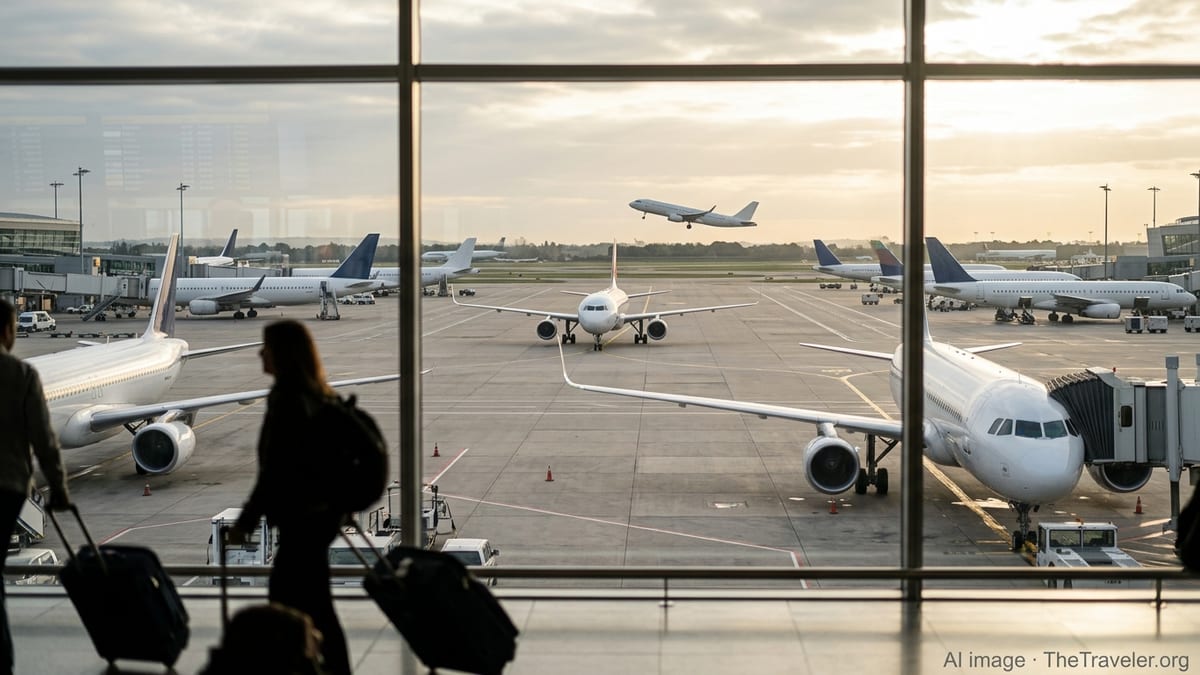
The article reports on an extraordinary response from the United Arab Emirates (UAE) to the escalating Iran–US–Israel war, which has caused widespread flight disruptions. In response, the General Civil Aviation Authority (GCAA) has activated emergency aviation support plans. These plans will cover all accommodation, meal, and rebooking costs for passengers stranded due to rescheduled or cancelled flights across the UAE’s airports. This initiative aims to alleviate the burden on stranded travelers and support the aviation industry during these challenging times.
Key Points:
Actionable Takeaways:
Enhanced Travel Support Systems: The UAE’s emergency aviation support plans demonstrate a proactive approach to managing travel disruptions. Travel companies and airlines can learn from this model to develop similar support systems for their passengers, potentially improving customer satisfaction and loyalty during crises.
Strategic Partnerships in Crisis Management: The UAE’s initiative highlights the importance of strategic partnerships between government bodies and aviation authorities. Travel companies can explore similar collaborations to ensure robust support mechanisms during unforeseen disruptions, enhancing their resilience and operational efficiency.
Contextual Insights:
The UAE’s swift and comprehensive response to the flight disruptions caused by the Iran–US–Israel war underscores the importance of preparedness and strategic planning in the travel industry. This move not only addresses immediate passenger needs but also sets a precedent for crisis management in the sector. As travel continues to be a global industry, the ability to swiftly adapt to unforeseen events will be crucial for maintaining operational stability and ensuring passenger safety and satisfaction. Furthermore, this initiative reflects a broader trend of governments and authorities stepping in to support industries during crises, signaling a shift towards more collaborative and supportive regulatory environments. For travel startups and fintech innovators, this context presents opportunities to develop solutions that enhance crisis management capabilities, such as real-time travel assistance platforms or integrated rebooking systems, thereby contributing to the industry’s resilience and adaptability.
Read the Complete Article.
Experience the magic of the Nile aboard Kenzy Dahabeya, a luxury boutique sailing cruise that offers an unforgettable journey between...
Read moreDetails



