









Sail Through Time: Discover the Timeless Wonders of Upper Egypt Aboard Kenzy Dahabeya
Experience the magic of the Nile aboard Kenzy Dahabeya, a luxury boutique sailing cruise that offers an unforgettable journey between...
Read moreDetails
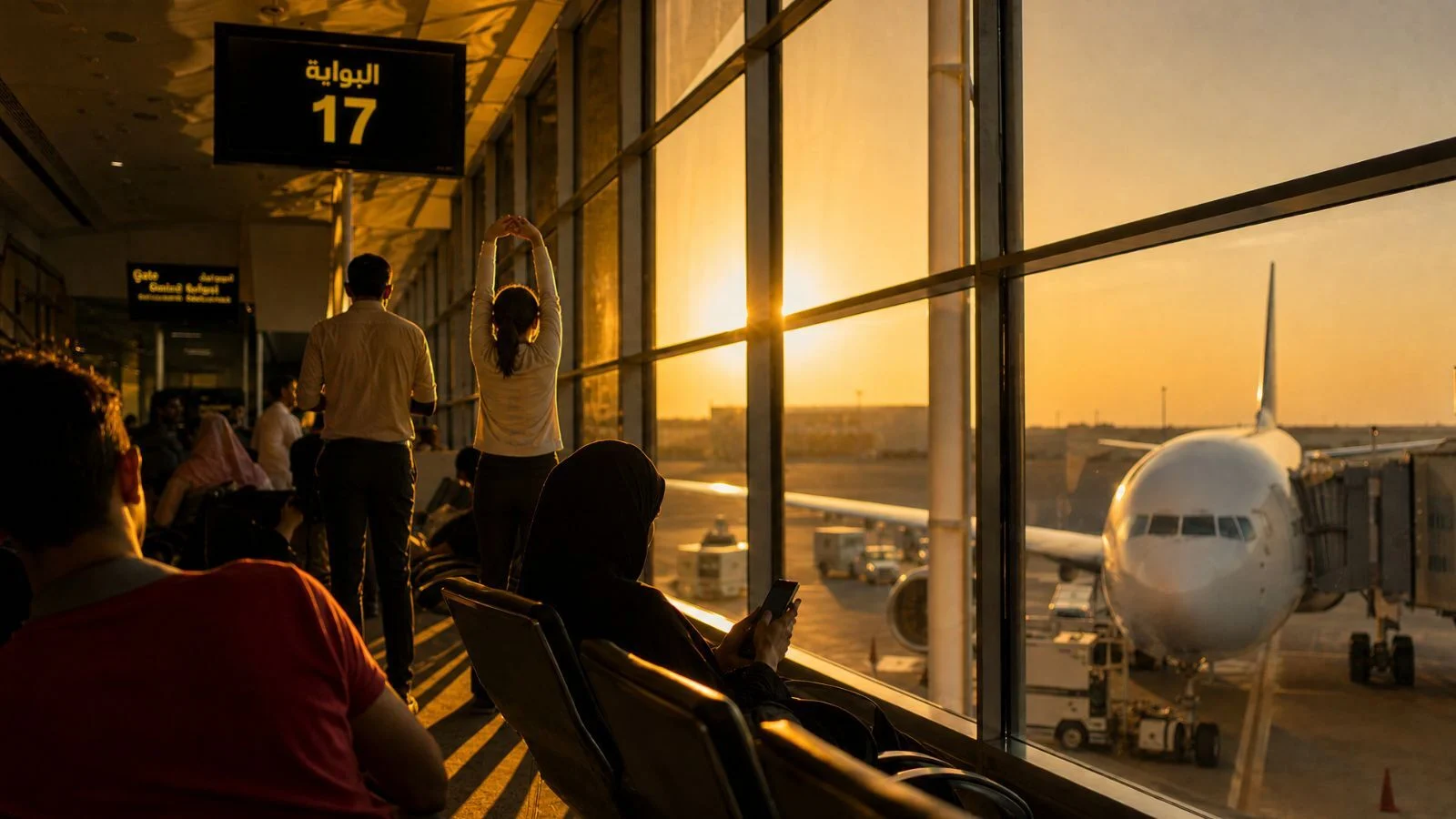
Stranded passengers wait at Velana International Airport in Male after several flights to Middle East destinations were cancelled.
Comprehensive Summarization:
The article addresses the question of whether employees can still receive their salary if they are stranded abroad while on employer-directed business. It clarifies that if the employee is stranded due to employer-directed travel, the responsibility generally falls on the employer. The employee remains ready and willing to work, which typically means salary would continue, along with reasonable costs such as accommodation and rebooked travel. However, if the trip was personal and remote work is not possible, the situation becomes more nuanced, especially when remote work is not feasible. The article also touches on geopolitical implications and the broader context of travel trends and insights from thought leaders in the industry.
Key Points:
Actionable Takeaways:
Employer Responsibility: Companies should have clear policies in place regarding employee compensation during travel disruptions. This includes ensuring salary continuity and covering reasonable additional costs such as accommodation and rebooking travel expenses. This policy not only supports employee morale but also aligns with legal and ethical obligations.
Geopolitical Considerations: Travelers should stay informed about geopolitical developments that could affect their travel plans. Employers should provide guidance on how to navigate such situations, including potential delays or cancellations, to minimize financial and operational impacts.
Remote Work Flexibility: The article underscores the importance of remote work capabilities in maintaining productivity during travel disruptions. Companies should evaluate and invest in technologies that enable remote work, thereby reducing the need for employees to be physically present in potentially risky locations.
Contextual Insights:
The article reflects current industry trends where employer responsibility and employee well-being are paramount. With the increasing unpredictability of global travel due to geopolitical tensions and other disruptions, companies are recognizing the need for robust policies that ensure employee compensation and support. This aligns with broader industry trends towards greater flexibility and employee-centric policies. Furthermore, the emphasis on remote work capabilities highlights the ongoing evolution of travel tech, where innovations in digital collaboration and communication tools are becoming essential for maintaining business continuity in challenging environments. These insights suggest a forward-looking perspective on travel management, emphasizing preparedness, flexibility, and employer support as key drivers of success in the travel industry.
Read the Complete Article.
Experience the magic of the Nile aboard Kenzy Dahabeya, a luxury boutique sailing cruise that offers an unforgettable journey between...
Read moreDetails



