












Article Summary:
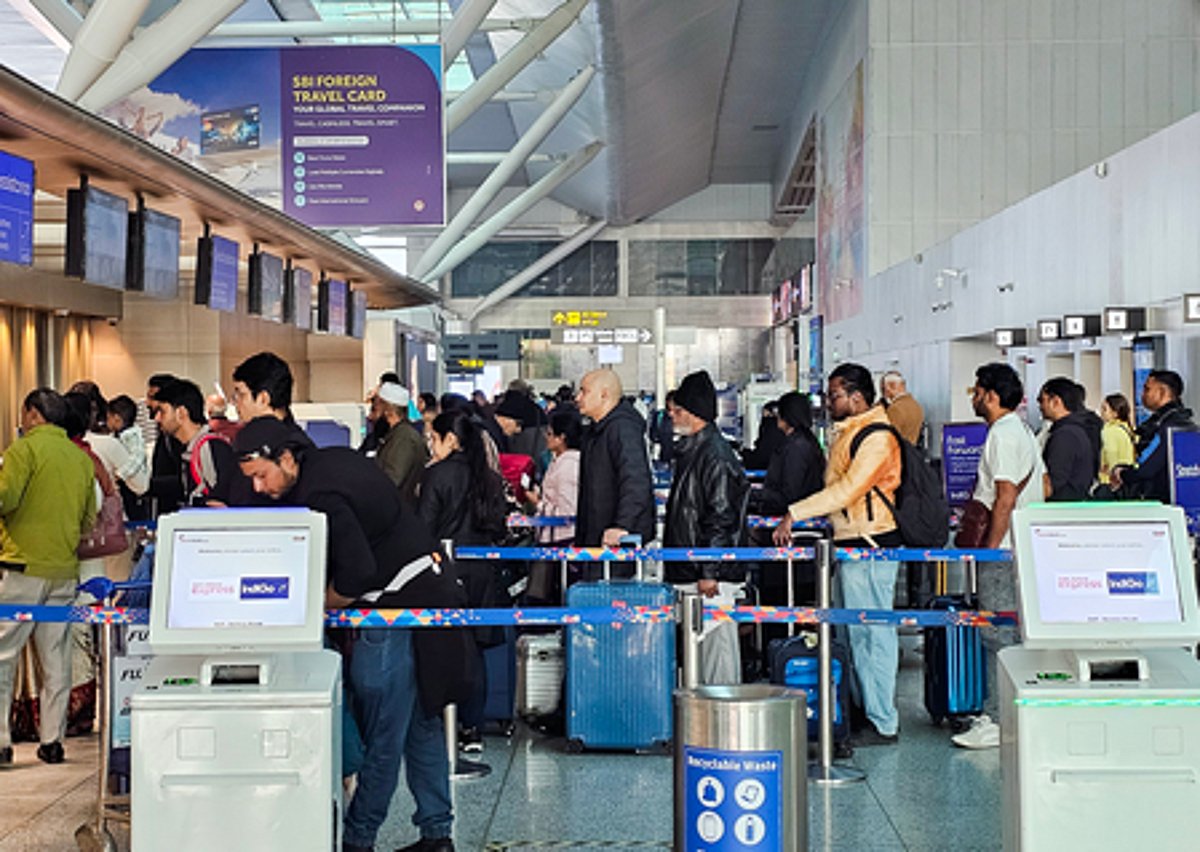
The article discusses the potential impact of disruptions in the India-UAE market on IndiGo’s international flights, particularly those connecting Dubai, Abu Dhabi, Sharjah, and other Indian cities. It highlights that any prolonged disruption could lead to fare increases, especially during peak travel seasons like winter and year-end. Aviation industry insiders suggest that even a short-term reduction in capacity could drive fare increases, which are already high, reaching Dh1,700 to Dh2,000 for flights to capital cities in India.
Key Points:
- The UAE is one of IndiGo’s biggest international markets, with flights connecting major Indian cities.
- Prolonged disruptions in the India-UAE market could lead to fare increases across high-demand routes.
- Current fare levels are already high, with prices reaching Dh1,700 to Dh2,000 for flights to Indian capital cities.
- Aviation industry insiders predict that even short-term reductions in capacity could drive fare increases.
Actionable Takeaways:
- Fare Monitoring: Airlines and travel agencies should closely monitor fare trends in the India-UAE market, particularly during peak travel seasons, to anticipate and prepare for potential fare increases.
- Capacity Management: Airlines should consider strategies to manage capacity effectively, such as adjusting flight schedules or exploring partnerships to mitigate the impact of disruptions on pricing and availability.
- Market Diversification: Travel agencies and airlines could explore diversifying their market offerings to reduce dependency on high-demand routes, thereby spreading risk and potentially stabilizing revenue streams.
Contextual Insights:
The article reflects the current challenges faced by the aviation industry, particularly in managing capacity and pricing in response to market disruptions. The high fare levels in the India-UAE market underscore the sensitivity of travel costs to external factors such as capacity constraints. This situation highlights the importance of agile market strategies and the need for airlines and travel agencies to stay informed about regional market dynamics. Furthermore, the potential for fare increases during peak travel seasons emphasizes the need for proactive planning and contingency planning to ensure financial stability and customer satisfaction. The insights provided align with current industry trends, where capacity management and market diversification are becoming increasingly crucial for maintaining profitability and resilience in the face of uncertainties.
Read the Complete Article.



