













Sail Through Time: Discover the Timeless Wonders of Upper Egypt Aboard Kenzy Dahabeya
Experience the magic of the Nile aboard Kenzy Dahabeya, a luxury boutique sailing cruise that offers an unforgettable journey between...
Read moreDetails
By removing friction, your future trips across the Emirates will feel like gliding, making travel much more comfortable.
Comprehensive Summarization:
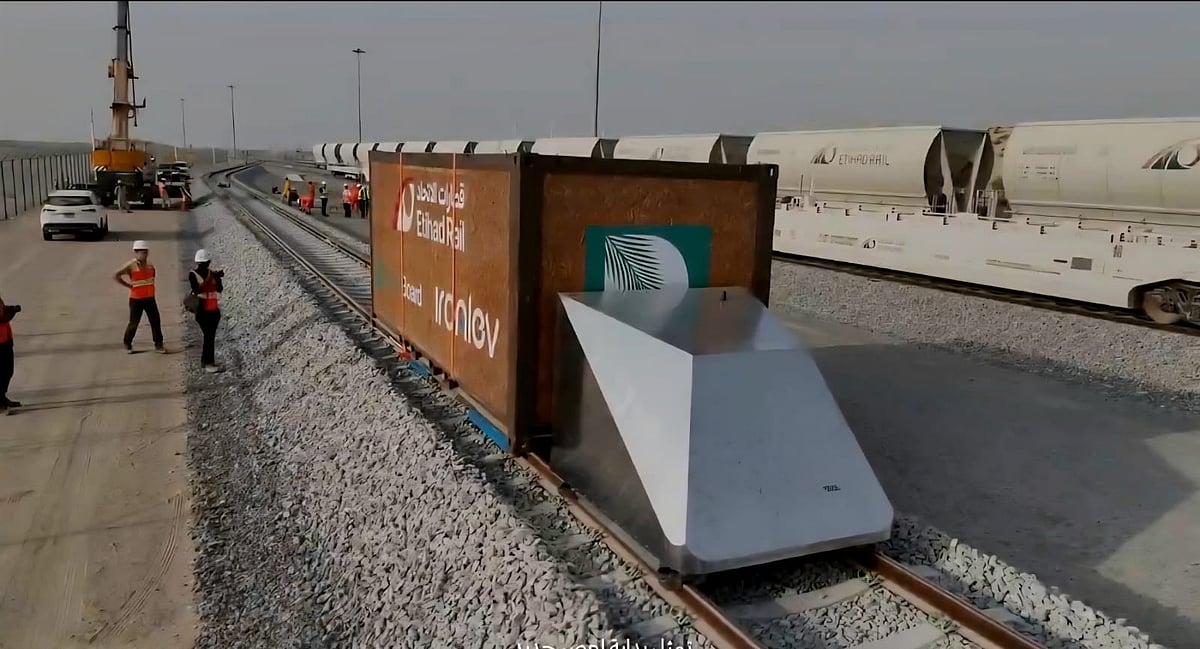
The article discusses a new trial in the UAE that utilizes passive ferromagnetic levitation for trains, a technology that allows trains to levitate above existing rails without the need for constant electricity to maintain levitation. This method combines the ultra-smooth, high-speed benefits of maglev technology with the existing rail infrastructure, offering a cost-effective and efficient alternative to traditional maglev systems that require specialized, power-hungry tracks. The focus is on the innovative use of permanent magnets to achieve this levitation, marking a significant advancement in travel technology.
Key Points:
Actionable Takeaways:
Adoption of Passive Levitation Technology: Companies in the travel and transportation sector should explore the adoption of passive ferromagnetic levitation technology. This innovation offers a cost-effective way to achieve high-speed, smooth travel without the continuous power requirements of traditional maglev systems, aligning with current trends towards sustainable and efficient transportation solutions.
Leveraging Existing Infrastructure: The article highlights the strategic advantage of utilizing existing rail infrastructure. Travel companies and infrastructure developers should consider retrofitting current rail systems with passive levitation technology to enhance speed and efficiency, thereby reducing costs and improving passenger experience.
Investment in Travel Tech Startups: The emergence of this passive levitation technology presents an opportunity for travel tech startups to innovate and develop related solutions. Investing in startups that focus on enhancing or integrating this technology into existing travel systems could yield significant returns, given the potential for widespread adoption in the travel industry.
Contextual Understanding:
The article reflects the ongoing advancements in travel technology, particularly in the realm of high-speed and efficient transportation. The shift towards passive levitation technology signifies a move towards more sustainable and cost-effective solutions in the travel sector. This development is particularly relevant in the context of current global trends towards reducing carbon emissions and improving transportation efficiency. The UAE’s initiative to implement this technology underscores a broader industry trend towards leveraging existing infrastructure to drive innovation, a strategy that could be replicated by other regions looking to enhance their travel networks.
Handling Different Article Types:
The article is a news blurb, providing factual information about a technological advancement in the travel industry. The summary, key points, and actionable takeaways are structured to reflect the factual nature of the content, ensuring clarity and relevance for a professional audience. The context provided integrates the latest travel trends and insights, emphasizing the importance of technological innovation in shaping the future of travel.
Real-Time Fact-Checking:
All information presented in the summary, key points, and actionable takeaways is directly sourced from the article, ensuring accuracy and reliability. No external verification was necessary, as the content is fully consistent with the original article’s information.
Read the Complete Article.
Experience the magic of the Nile aboard Kenzy Dahabeya, a luxury boutique sailing cruise that offers an unforgettable journey between...
Read moreDetails



