











Sail Through Time: Discover the Timeless Wonders of Upper Egypt Aboard Kenzy Dahabeya
Experience the magic of the Nile aboard Kenzy Dahabeya, a luxury boutique sailing cruise that offers an unforgettable journey between...
Read moreDetails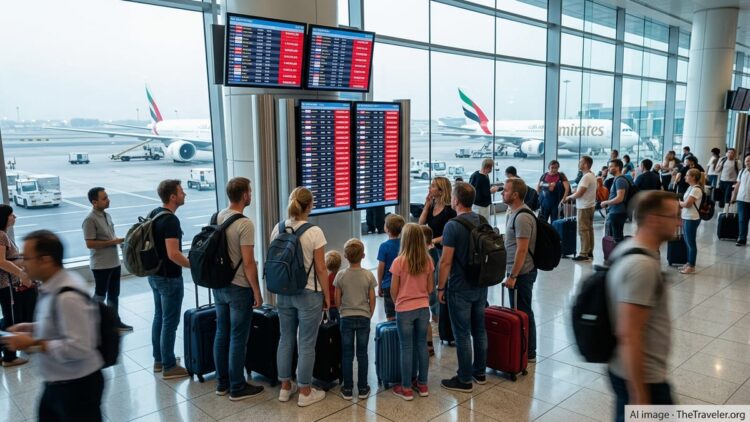
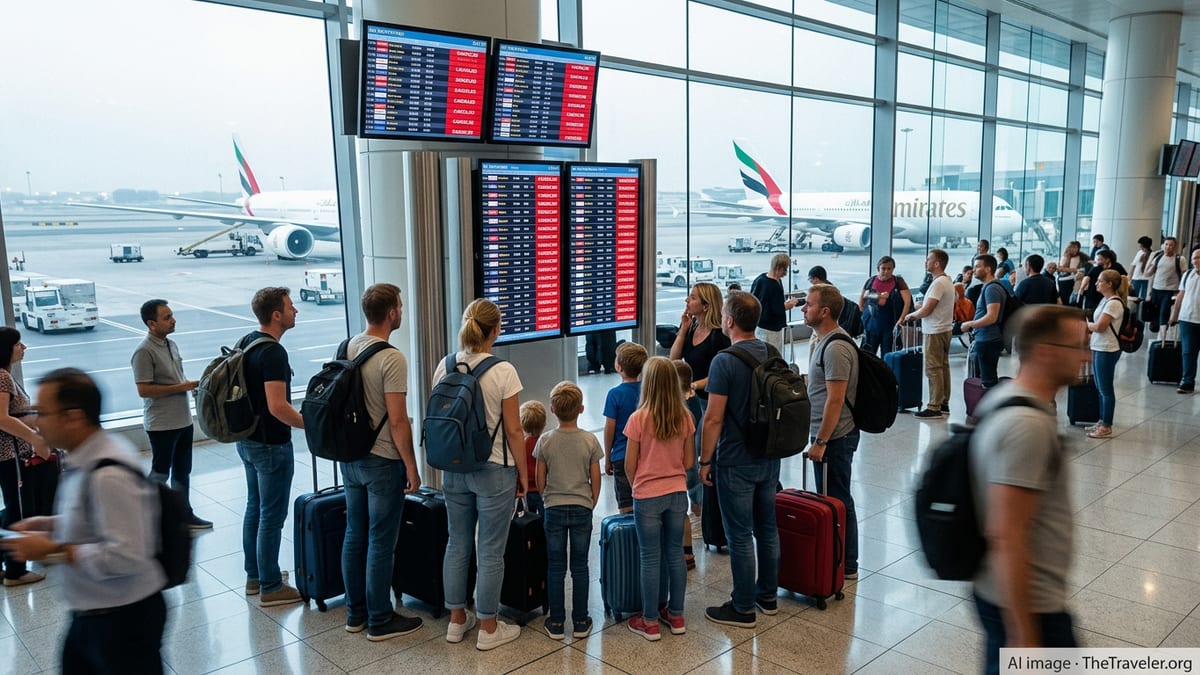
UAE and Oman Help Fly Stranded German Tourists Home
Comprehensive Summarization:
Germany has collaborated with the United Arab Emirates, Oman, and several European partners to initiate urgent repatriation flights for thousands of stranded German tourists. This move comes as a result of widespread airspace closures and flight cancellations across the Middle East, significantly impacting global travel due to the Iran war. The disruption began on February 28, causing thousands of German holidaymakers to be stranded. The article highlights the unprecedented nature of this crisis and its implications for the travel industry, particularly in terms of repatriation efforts and the broader impact on travel logistics and tourism.
Key Points:
Actionable Takeaways:
International Collaboration in Crisis Management: The initiative by Germany to collaborate with the UAE, Oman, and European partners to repatriate stranded tourists underscores the importance of international cooperation in managing travel disruptions. This approach can serve as a model for other countries facing similar crises, potentially leading to more coordinated global responses in the future.
Impact on Travel Logistics and Tourism: The widespread airspace closures and flight cancellations highlight vulnerabilities in global travel logistics. Travel companies and industry stakeholders should reassess their contingency plans and invest in more resilient systems to mitigate the impact of future crises on travel operations and tourism.
Contextual Insights:
The article reflects the current state of the travel industry, which is experiencing unprecedented challenges due to geopolitical tensions and their direct impact on travel operations. The collaboration between Germany and other countries to repatriate tourists is a direct response to these challenges, showcasing the need for agile and collaborative strategies in crisis management. This situation also highlights the growing importance of travel tech solutions that can facilitate rapid repatriation and streamline logistics during disruptions. As the travel industry continues to evolve, innovations in travel tech, fintech, and other sectors will play a crucial role in enhancing resilience and efficiency in the face of unforeseen disruptions. Thought leaders in the industry are likely to emphasize the need for continuous investment in technology and strategic partnerships to navigate such crises effectively.
Read the Complete Article.
Experience the magic of the Nile aboard Kenzy Dahabeya, a luxury boutique sailing cruise that offers an unforgettable journey between...
Read moreDetails



