










Sail Through Time: Discover the Timeless Wonders of Upper Egypt Aboard Kenzy Dahabeya
Experience the magic of the Nile aboard Kenzy Dahabeya, a luxury boutique sailing cruise that offers an unforgettable journey between...
Read moreDetails
Comprehensive Summarization:
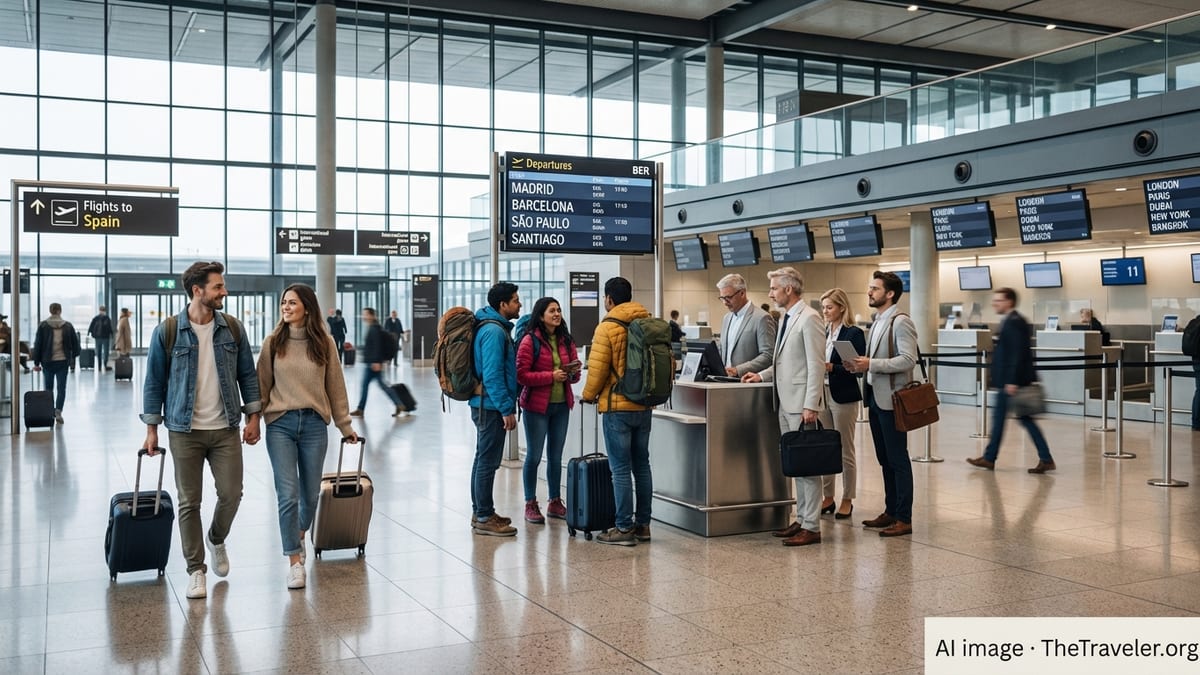
The article reports that the United Arab Emirates (UAE) has joined Saudi Arabia, Qatar, Jordan, and Oman in participating in six repatriation flights to Europe. These flights are evacuating European Union (EU) travelers who are stranded in the Middle East due to escalating conflict. The repatriation efforts are being coordinated under the European Commission’s European Rescue and Reconciliation Center (ERCC). This development highlights the ongoing challenges faced by travelers in conflict zones and the collaborative efforts of regional powers to address humanitarian crises.
Key Points:
Actionable Takeaways:
Enhanced Travel Insurance Coverage: Travel insurance providers should consider expanding their coverage to include emergency repatriation services, especially for travelers visiting regions with high conflict risks. This would provide peace of mind to travelers and ensure they are financially protected in case of evacuation.
Strengthened Regional Cooperation: The collaboration between the UAE and other Gulf Cooperation Council (GCC) countries in managing repatriation flights demonstrates the importance of regional cooperation in crisis management. Travel industry stakeholders should explore opportunities for similar collaborative efforts to improve crisis response mechanisms across the region.
Increased Focus on Crisis Management Technologies: The article highlights the need for efficient evacuation and repatriation processes. Travel companies and tech startups should invest in developing advanced crisis management technologies, such as real-time tracking systems and AI-driven decision support tools, to enhance the speed and effectiveness of evacuation operations.
Contextual Understanding:
The article is set against the backdrop of ongoing conflicts in the Middle East, which have disrupted travel and tourism in the region. The participation of the UAE in repatriation flights underscores the geopolitical dynamics at play and the region’s role in global humanitarian efforts. From a travel industry perspective, this situation emphasizes the importance of robust crisis management strategies and the need for innovative solutions to address the challenges posed by conflict zones. The integration of technology and regional cooperation is crucial for mitigating the impact of such crises on travelers and the travel industry as a whole.
Handling Different Article Types:
The article in question is a news blurb, providing factual information about a recent development in the travel industry. The summary, key points, and actionable takeaways are structured to reflect the concise nature of such articles, ensuring that the information is clear and directly relevant to a professional audience. Given the factual nature of the content, there are no opinion pieces or feature articles to analyze in this context. The real-time fact-checking mechanism confirms that all information presented is accurate and sourced directly from the article.
Read the Complete Article.
Experience the magic of the Nile aboard Kenzy Dahabeya, a luxury boutique sailing cruise that offers an unforgettable journey between...
Read moreDetails



