












Sail Through Time: Discover the Timeless Wonders of Upper Egypt Aboard Kenzy Dahabeya
Experience the magic of the Nile aboard Kenzy Dahabeya, a luxury boutique sailing cruise that offers an unforgettable journey between...
Read moreDetails
Iran Claims Missile Strike On USS Abraham Lincoln; U.S. Shares Reality Amid War Escalation
Comprehensive Summarization:
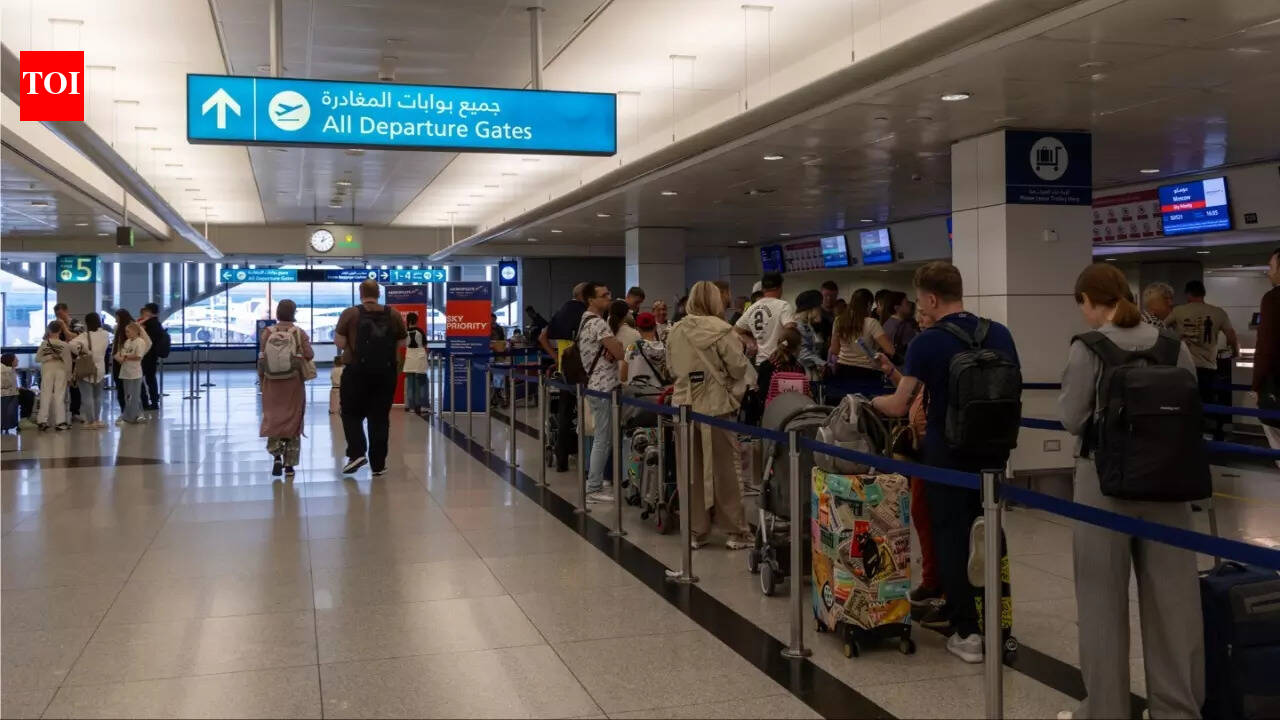
The article discusses the significant disruption in civil aviation within the United Arab Emirates (UAE) due to the escalating conflict between the US and Israel on Iran. Sharjah International Airport (SHJ) has issued an urgent passenger advisory, highlighting a series of flight cancellations and disruptions. This situation underscores the vulnerability of the UAE’s airspace to regional conflicts, impacting both travelers and the aviation industry. The article also touches on the broader implications for travel trends and insights, emphasizing the need for travelers to stay informed and exercise caution during these turbulent times.
Key Points:
UAE Airspace Disruption: The ongoing conflict between the US and Israel on Iran has led to significant disruptions at Sharjah International Airport (SHJ), with multiple flight cancellations and advisories issued by airport authorities.
Passenger Advisory: Sharjah Airport has issued an urgent passenger advisory, urging travelers to stay informed and exercise caution due to the flight disruptions caused by the regional conflict.
Impact on Travelers: The disruptions highlight the vulnerability of the UAE’s airspace to international conflicts, affecting both domestic and international travelers.
Broader Travel Trends: The article serves as a reminder of the importance of staying informed about travel advisories and potential disruptions, reflecting broader travel trends and the need for flexibility in travel plans.
Actionable Takeaways:
Stay Informed and Flexible: Travelers should regularly check for updates on travel advisories and be prepared to adjust their travel plans in response to sudden disruptions. This proactive approach can help mitigate the impact of unforeseen cancellations or delays.
Monitor Regional Conflicts: Given the potential for regional conflicts to impact air travel, stakeholders in the travel industry should closely monitor geopolitical developments in the Middle East. This vigilance can inform risk management strategies and help anticipate potential disruptions.
Enhance Communication: Airlines and airport authorities should enhance communication with travelers regarding potential disruptions. Clear and timely communication can help manage traveler expectations and reduce anxiety during uncertain times.
Contextual Insights:
The article’s context is deeply rooted in the current geopolitical tensions between the US, Israel, and Iran. These tensions have a direct impact on the UAE’s civil aviation sector, particularly at Sharjah International Airport. The situation exemplifies the broader challenge faced by the travel industry in managing risks associated with geopolitical instability. As such, the article underscores the importance of adaptability and proactive risk management in travel planning. Furthermore, it highlights the need for continuous monitoring of regional conflicts and their potential ripple effects on travel infrastructure and operations. This forward-looking perspective aligns with current industry trends, emphasizing the role of technology and information management in navigating uncertainties in travel logistics.
Read the Complete Article.
Experience the magic of the Nile aboard Kenzy Dahabeya, a luxury boutique sailing cruise that offers an unforgettable journey between...
Read moreDetails



