







Sail Through Time: Discover the Timeless Wonders of Upper Egypt Aboard Kenzy Dahabeya
Experience the magic of the Nile aboard Kenzy Dahabeya, a luxury boutique sailing cruise that offers an unforgettable journey between...
Read moreDetails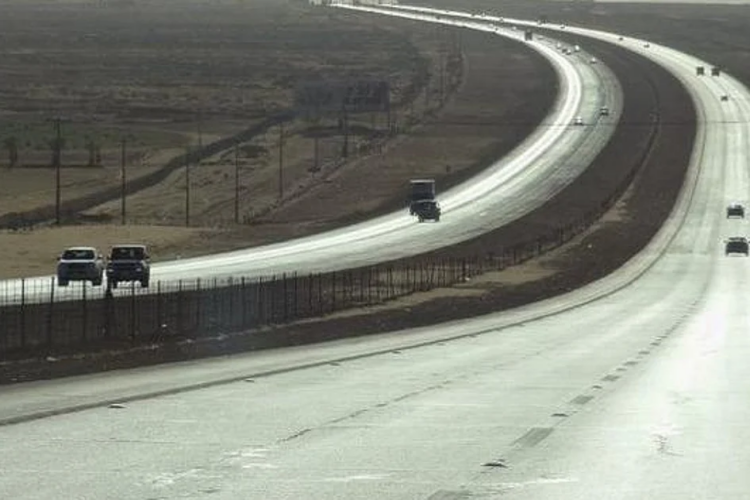
Flight-bus-car: How stranded UAE Umrah pilgrims reached home amid travel chaos
Comprehensive Summarization:
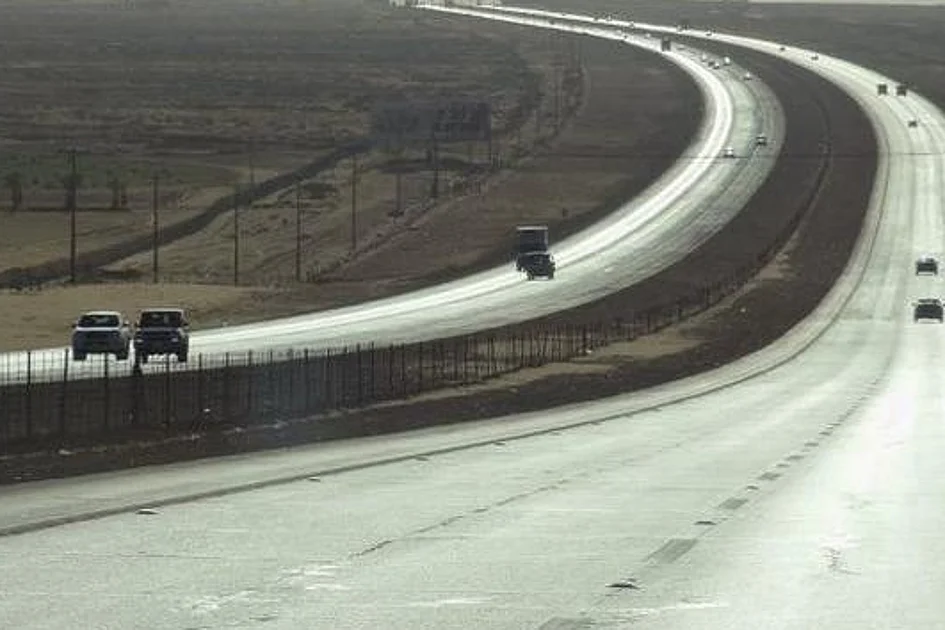
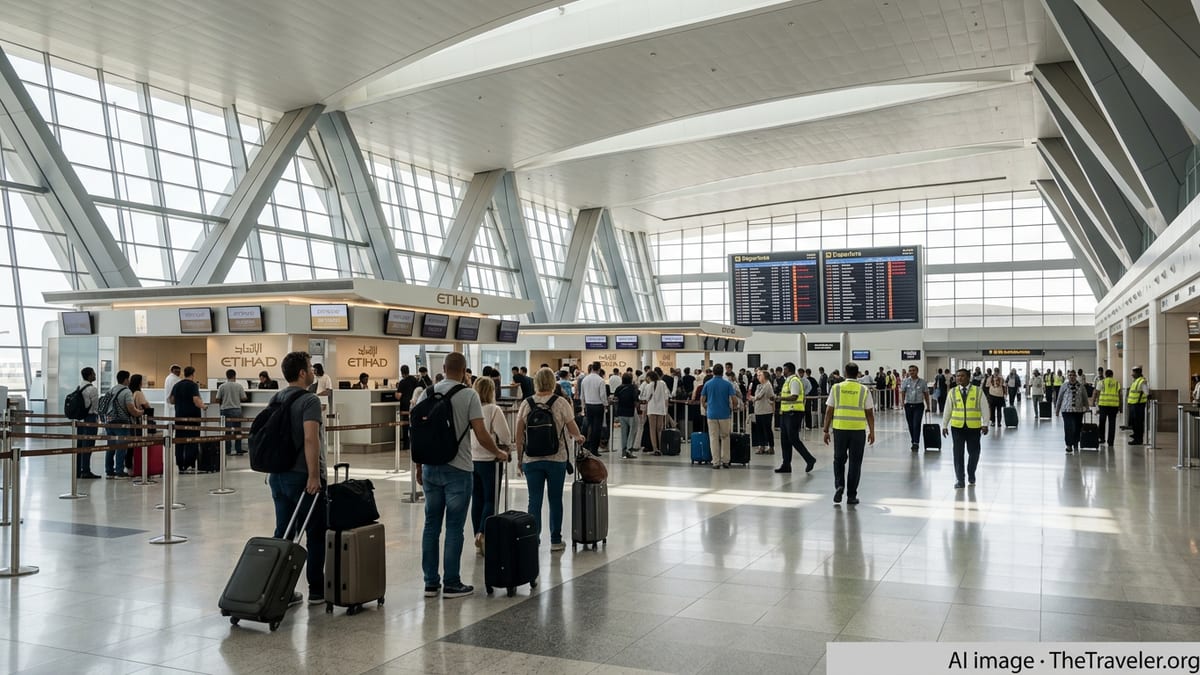
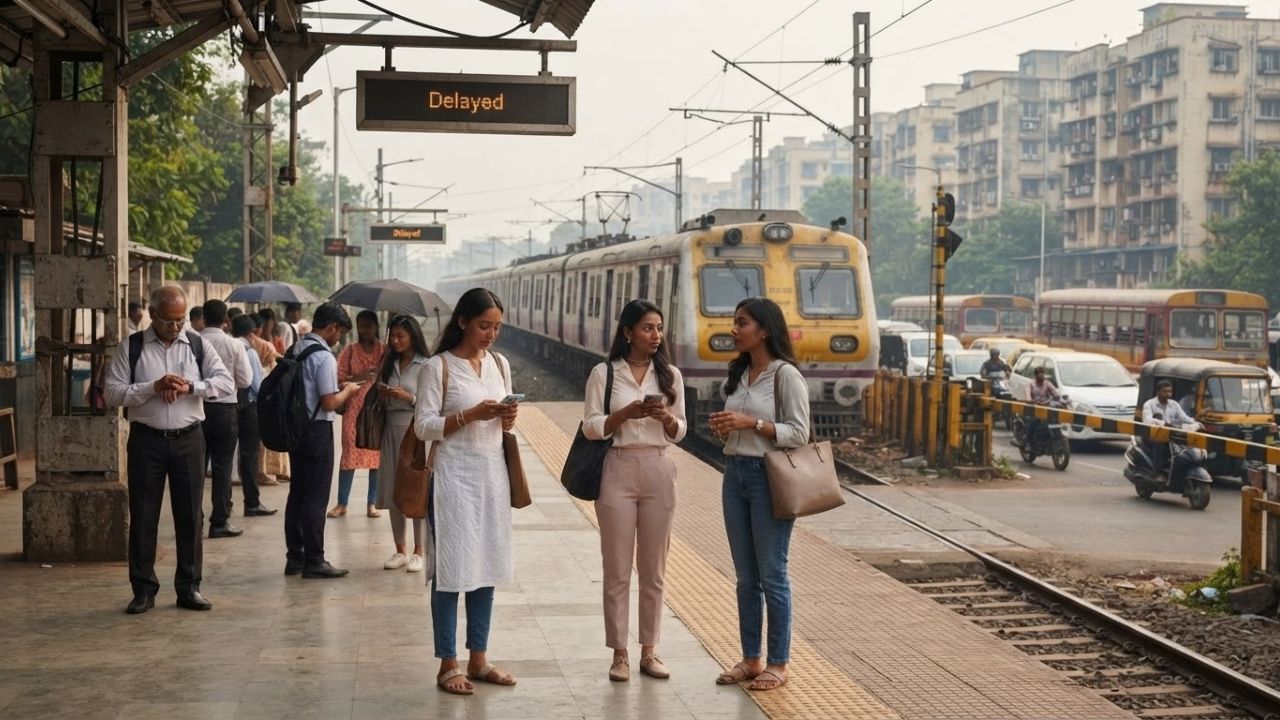
The article discusses the impact of Israeli and US strikes on Iran, which have led to commercial flight disruptions in the region. As a result, some UAE residents returning from Umrah had to rely on road travel and the assistance of friends to return home due to suspended flights. The article highlights the challenges faced by pilgrims in traveling back from Saudi Arabia, with many opting for bus journeys from Madinah to the Saudi-UAE border to reunite with their families. This situation underscores the broader issue of travel disruptions caused by geopolitical tensions and their ripple effects on the travel industry, particularly affecting pilgrims and commercial travelers.
Key Points:
Actionable Takeaways:
Travel Disruption Preparedness: Airlines and travel agencies should develop contingency plans for travel disruptions caused by geopolitical events. This includes alternative routing options, real-time communication with travelers, and partnerships with ground transportation services to ensure seamless reconnections for affected passengers.
Enhanced Safety Measures: Given the heightened geopolitical tensions, travel companies should invest in enhanced safety measures and real-time monitoring systems to quickly adapt to and mitigate the impacts of such disruptions. This could involve leveraging travel tech solutions for real-time updates and rerouting capabilities.
Collaboration with Ground Transportation: Travel companies should collaborate with ground transportation providers to offer alternative routes and support for travelers whose flights are disrupted. This collaboration can help mitigate the inconvenience caused by flight suspensions and ensure a smoother travel experience for affected passengers.
Contextual Insights:
The article reflects the current state of the travel industry, where geopolitical tensions can significantly impact travel logistics and passenger experiences. The recent strikes on Iran have led to widespread flight disruptions, forcing travelers to seek alternative modes of transportation. This situation highlights the importance of travel tech innovations that can provide real-time updates and facilitate seamless rerouting. Furthermore, the reliance on road travel for pilgrims returning from Umrah underscores the need for robust ground transportation networks capable of handling increased demand during such disruptions. As the travel industry continues to evolve, staying ahead of such challenges will require a combination of technological innovation, strategic partnerships, and proactive risk management.
Read the Complete Article.
Experience the magic of the Nile aboard Kenzy Dahabeya, a luxury boutique sailing cruise that offers an unforgettable journey between...
Read moreDetails



