










Comprehensive Summarization:
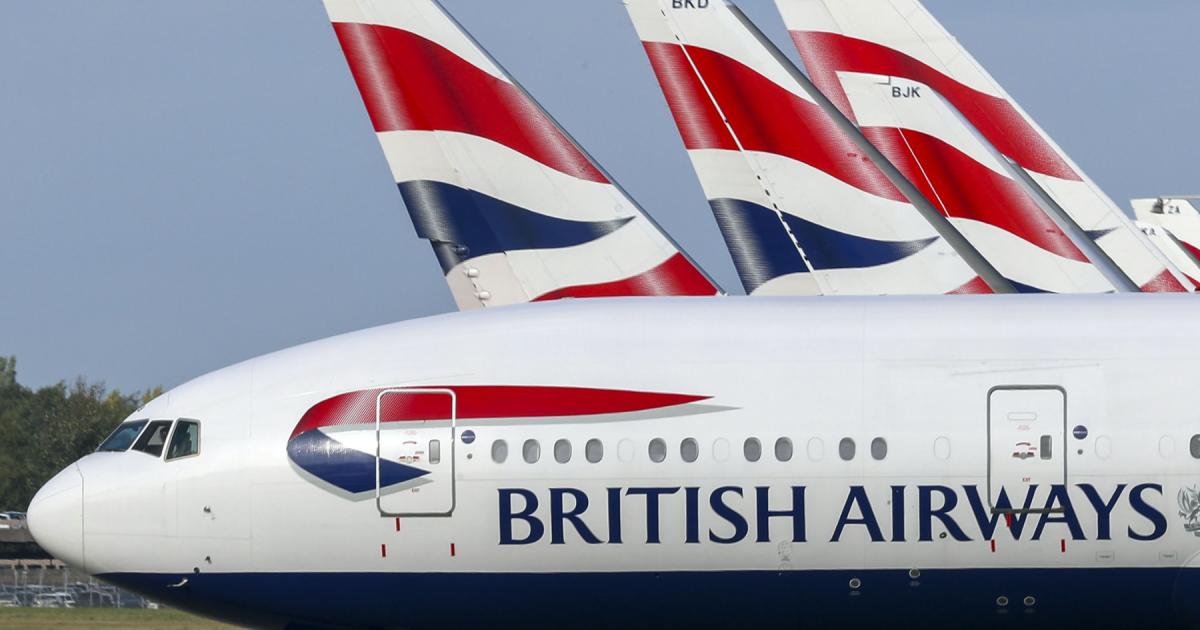
The article reports on the UK’s decision to join Germany, UAE, Saudi Arabia, India, and Singapore in addressing the ongoing jet fuel crisis, which has led major airlines such as Lufthansa, British Airways, Emirates, and Air India to implement fare surges and flight rerouting. This move significantly impacts summer travel demands, as airlines adjust to the rising costs of fuel, a critical component of their operational expenses. The context highlights the broader implications for the travel and tourism industry, emphasizing the need for adaptability and strategic planning in response to fluctuating fuel prices. The article also touches on the latest travel trends and insights from industry thought leaders, underscoring the importance of innovation and resilience in navigating such challenges.
Key Points:
- The UK, along with Germany, UAE, Saudi Arabia, India, and Singapore, is collectively responding to the jet fuel crisis by prompting airlines to adjust their fare structures and flight schedules.
- Airlines like Lufthansa, British Airways, Emirates, and Air India are implementing fare surges and rerouting flights to manage the increased operational costs associated with fuel price fluctuations.
- The surge in airfares and flight rerouting directly impacts summer travel demands, reflecting a broader trend of airlines adapting to external economic pressures.
- The article underscores the necessity for the travel industry to embrace innovation and strategic adjustments to mitigate the effects of fuel price volatility on travel demand and operational costs.
Actionable Takeaways:
-
Implement Dynamic Pricing Strategies: Airlines should adopt dynamic pricing models to adjust fares in real-time based on fuel costs and demand fluctuations. This approach can help airlines maintain profitability while managing fare surges and ensuring competitive pricing for travelers.
-
Enhance Fuel Efficiency Initiatives: Investing in more fuel-efficient aircraft and exploring alternative fuels can reduce operational costs for airlines. This not only helps in managing the current fuel crisis but also positions airlines as leaders in sustainability, appealing to environmentally conscious travelers.
-
Diversify Routes and Destinations: To mitigate the impact of fare surges and flight disruptions, airlines should diversify their route networks and explore new destinations. This strategy can help spread risk and maintain customer engagement, especially as travelers seek alternative options amid rising travel costs.
Contextual Insights:
The article’s focus on the jet fuel crisis and its immediate impact on airlines like Lufthansa, British Airways, Emirates, and Air India highlights a critical challenge within the travel industry. The decision to implement fare surges and reroute flights is a direct response to the rising costs of fuel, a commodity that directly influences operational expenses. This situation underscores the broader trend of airlines needing to balance cost management with customer satisfaction, particularly in a market where travel demand is highly sensitive to price changes.
In the context of current industry trends, the article reflects a growing emphasis on adaptability and innovation. Airlines are increasingly leveraging technology to optimize their operations, from dynamic pricing to fuel efficiency initiatives. These technological advancements are not only crucial for managing immediate challenges like fuel price volatility but also for positioning airlines as leaders in sustainable and cost-effective travel solutions. Furthermore, the article’s mention of fare surges and flight rerouting aligns with the broader trend of airlines seeking to maintain profitability amidst fluctuating market conditions, a challenge that requires strategic foresight and agility.
As the travel industry continues to navigate these challenges, the insights provided in the article serve as a reminder of the importance of strategic planning and innovation. By embracing dynamic pricing, enhancing fuel efficiency, and diversifying routes, airlines can better navigate the complexities of the current market landscape. These actionable takeaways not only address the immediate impacts of the jet fuel crisis but also position airlines for long-term success in an ever-evolving industry.
Read the Complete Article.






