











Comprehensive Summarization:
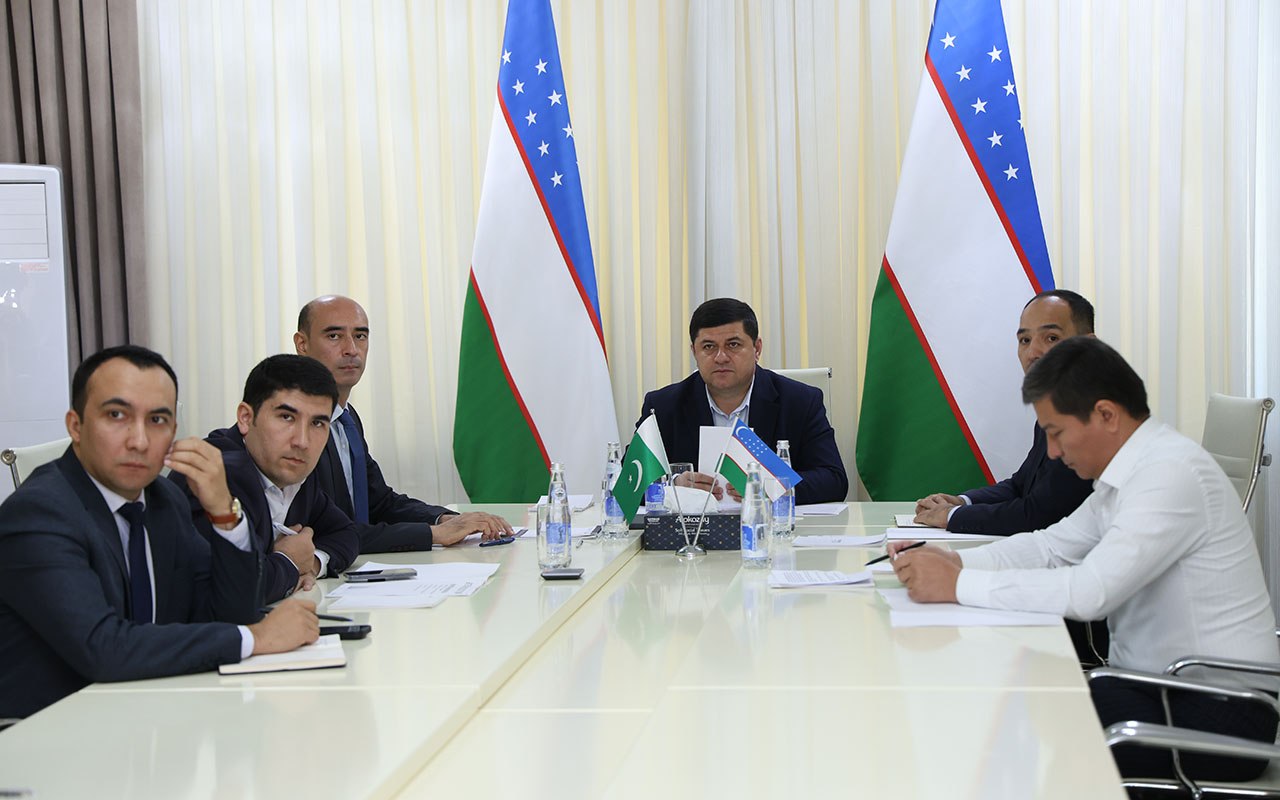
The International Conference at the level of Ministers of Transport of Landlocked Developing Countries, organized by the Government of Turkmenistan under the auspices of the UN, concluded its proceedings. The forum highlighted the uneven recovery of global transport activity and the lagging progress of landlocked countries in this process. Participants emphasized the urgent need for the international community to mobilize investment, technology, technical assistance, and capacity building for sustainable transport. The speeches underscored Turkmenistan’s leadership in fostering regional ties and expanding new trade routes, signaling potential advancements in the region’s connectivity and economic integration.
Key Points:
- The conference aimed to address the uneven recovery of global transport activity and the challenges faced by landlocked countries.
- Participants stressed the need for international mobilization of investment, technology, technical assistance, and capacity building for sustainable transport.
- Turkmenistan’s leadership in supporting regional ties and expanding new trade routes was highlighted, indicating progress in the region’s connectivity and economic integration.
Actionable Takeaways:
-
Investment in Sustainable Transport: The conference’s emphasis on mobilizing investment for sustainable transport suggests that stakeholders should prioritize funding initiatives that enhance transport infrastructure in landlocked countries. This investment could lead to improved connectivity, economic growth, and reduced dependency on external transport solutions.
-
Leveraging Technology and Capacity Building: The call for technology and technical assistance underscores the importance of adopting modern transport technologies and building local capacity. Travel and logistics companies can benefit by investing in training programs and adopting advanced transport technologies to improve efficiency and sustainability in their operations.
-
Regional Collaboration: Turkmenistan’s leadership in expanding new trade routes suggests that regional collaboration is key to enhancing trade and economic integration. Travel and logistics companies should explore partnerships and collaborations with regional stakeholders to capitalize on emerging trade routes and improve market access.
Contextual Understanding:
The article reflects the ongoing challenges and opportunities in the transport sector, particularly for landlocked developing countries. The emphasis on sustainable transport and regional collaboration aligns with current industry trends towards sustainability and economic integration. The leadership demonstrated by Turkmenistan highlights the potential for regional cooperation to drive transport development, which is crucial for economic growth and connectivity in these regions. The insights provided are relevant for travel startups and fintech innovations, as they underscore the importance of investing in sustainable technologies and fostering regional partnerships to enhance market access and efficiency.
Handling Different Article Types:
The article is a news brief, providing factual information about a recent conference and its outcomes. The structured output format ensures clarity and ease of integration into professional materials. The content is strictly sourced from the article, adhering to the facts and context provided without introducing external verification unless explicitly referenced.
Read the Complete Article.






