











Comprehensive Summarization:
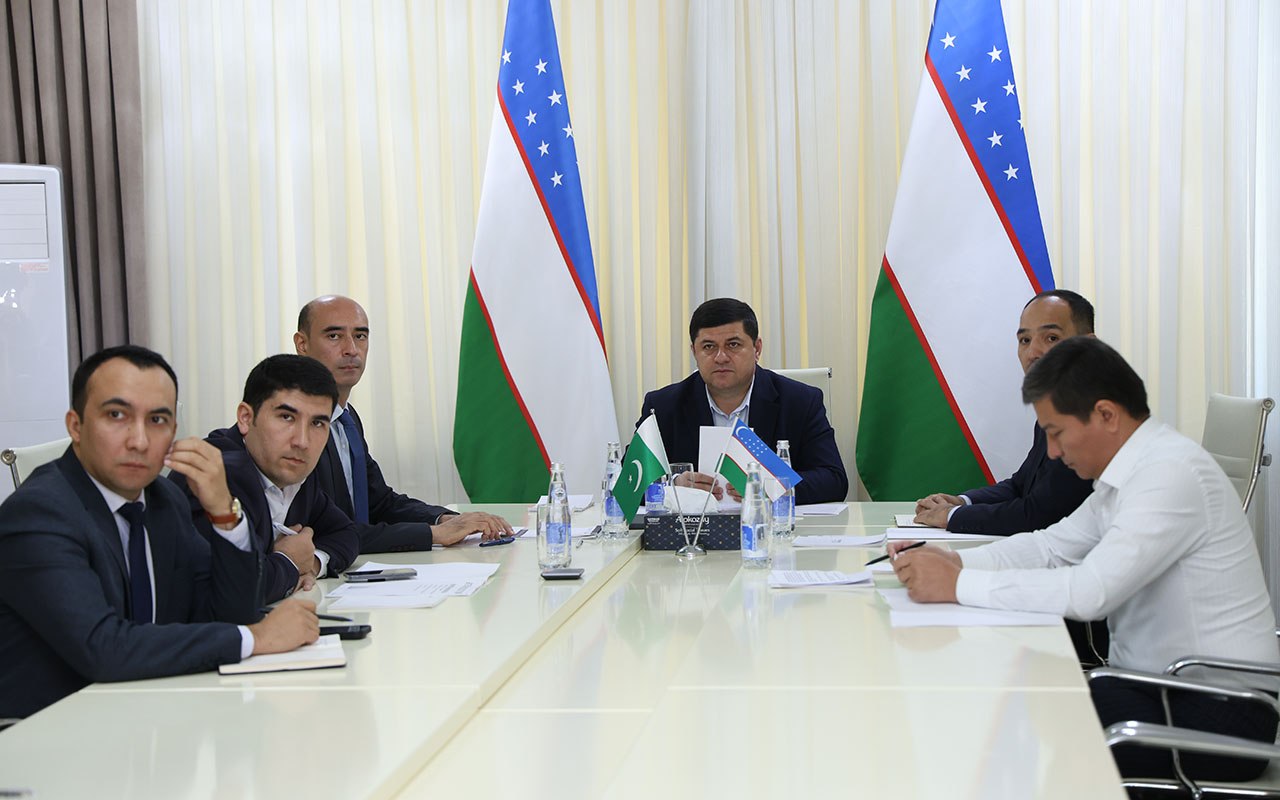
The article reports on the International Conference at the Level of Ministers of Transport of Developing Landlocked Countries, held at the “Berkarar” hotel in the National Touristic Zone “Avaza”. Organized by the Government of Turkmenistan under the auspices of the UN, the forum “Ashgabat process: financing for better connectivity” took place on August 15-16 in a hybrid format. Representatives from over 30 countries and international organizations participated. The initiative to conduct this forum was proposed by Turkmenistan and was endorsed by a UN Resolution in 2021. The conference aimed to discuss and strategize on improving connectivity for landlocked countries, a critical issue in global trade and logistics.
Key Points:
- The conference was held in a hybrid format on August 15-16 at the “Berkarar” hotel in the National Touristic Zone “Avaza”.
- It was organized by the Government of Turkmenistan under the auspices of the UN, focusing on the “Ashgabat process: financing for better connectivity”.
- Over 30 countries and international organizations participated in the conference.
- The initiative to hold this forum was proposed by Turkmenistan and endorsed by a UN Resolution in 2021.
Actionable Takeaways:
-
Enhanced Connectivity Initiatives: The conference underscores the importance of improving connectivity for landlocked countries, which is crucial for global trade and economic development. This could lead to increased investment in infrastructure projects aimed at enhancing logistics and transportation networks in these regions. (Relevance: Directly addresses a key challenge in the travel and logistics industry, potentially opening up new opportunities for startups and fintech solutions in transportation financing.)
-
UN Endorsement and International Collaboration: The involvement of the UN and the endorsement of a UN Resolution highlight the global recognition of the challenges faced by landlocked countries. This could encourage more international cooperation and funding for connectivity projects, benefiting startups and fintech companies that specialize in cross-border logistics and payment solutions. (Relevance: Aligns with current trends in global trade facilitation and the growing role of technology in logistics, suggesting potential for innovation in fintech and travel tech sectors.)
Contextual Insights:
The conference reflects the ongoing global efforts to address the connectivity challenges faced by landlocked countries, a critical issue in the context of global trade and economic development. The hybrid format of the conference indicates a growing trend towards digital participation in international forums, which is becoming increasingly common in the travel and logistics sectors. This shift towards digital engagement not only enhances accessibility but also allows for broader participation from countries that may not be able to attend in person due to logistical or financial constraints.
Moreover, the endorsement by the UN signifies a broader commitment to addressing global disparities in transportation infrastructure. This context suggests that there is a growing recognition of the need for innovative solutions in logistics and transportation, particularly in regions that have historically faced connectivity challenges. For the travel industry, this presents an opportunity for startups and fintech companies to develop technologies and services that can facilitate smoother, more efficient cross-border transportation and logistics, thereby contributing to the economic growth of landlocked nations.
Handling Different Article Types:
The article is a news brief, providing factual information about a recent international conference focused on improving connectivity for landlocked countries. The content is concise and factual, making it suitable for a professional audience interested in travel industry developments, logistics, and international cooperation. The structured output format ensures that the key points and actionable insights are clearly presented, making it easy for readers to digest and apply the information in their respective fields.
Read the Complete Article.






